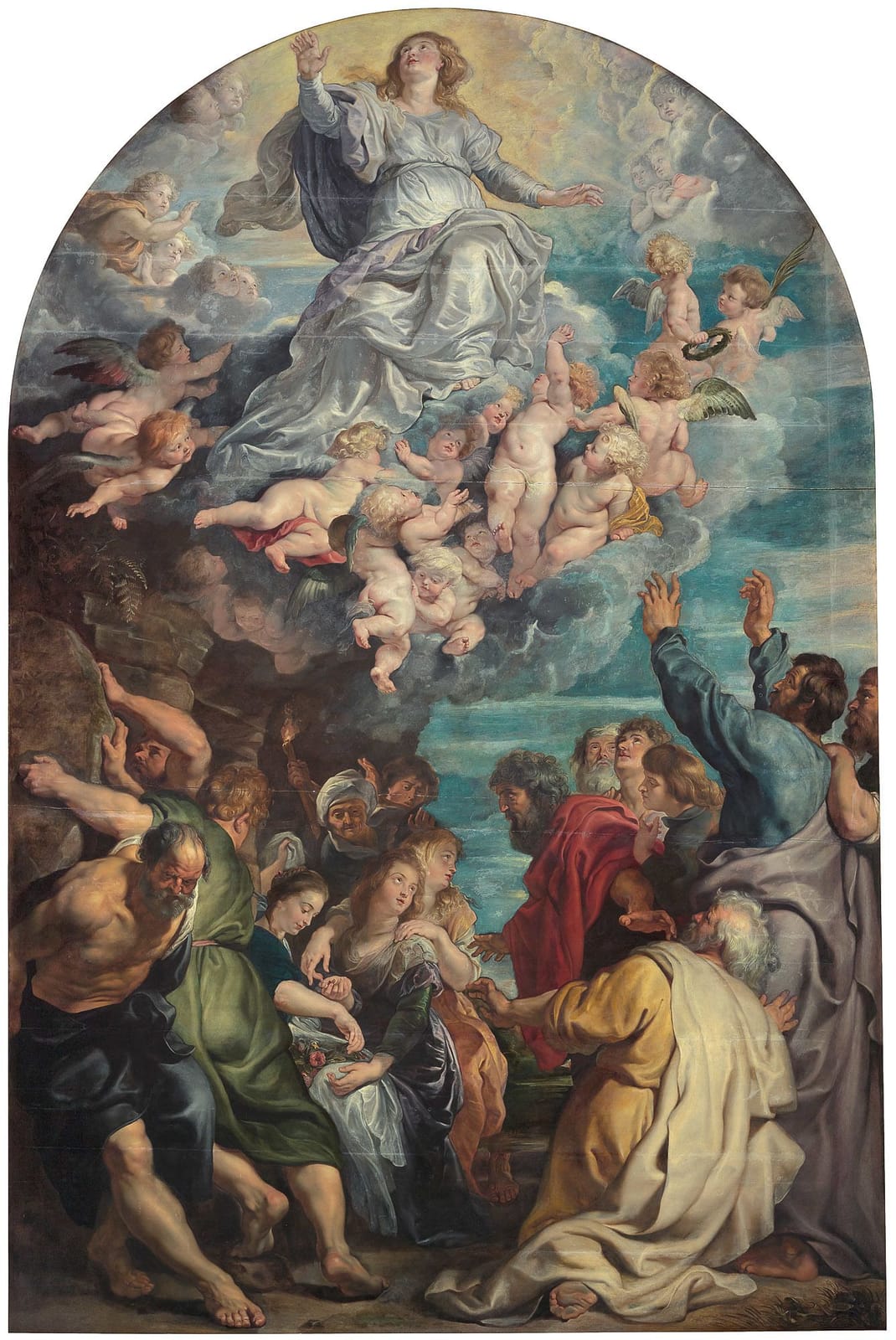
This day

August 19, 2027

After Pentecost

August 19, 2027

August 19: Fifth Day within the Octave of the Assumption

From Dom Guéranger’s The Liturgical Year.

‘IT is a great thing for a saint to have as much grace as would suffice for many; but if he had sufficient for all men in the world, that would be fulness of measure: and this is the case with Jesus Christ and the Blessed Virgin.’ So speaks the prince of theologians with regard to her whom Suarez salutes as the 'universal cause, intimately united to the Lord her Son.'

A higher authority than that of the School has confirmed this teaching of the Angelic Doctor; in his encyclical Magnœ Dei Matris, the Sovereign Pontiff Leo XIII has deigned to make his own the words we have just quoted; and he adds: 'When, therefore, we hail Mary as full of grace, we awaken the recollection of her sublime dignity and of the redemption of the human race, wrought by God through her intermediary; moreover we call to mind the divine and eternal relationship whereby she is associated to Christ in His joys and His sorrows, His humiliations and His triumphs, in ruling and aiding men with a view to their eternal welfare.’

St. Bernardine of Siena compares our Lady to the fountain mentioned in Genesis, which sprang from the earth and watered its whole surface.

This week's Sunday: The Thirteenth Sunday after Pentecost

From Dom Guéranger’s The Liturgical Year.

The dominical series—which formerly counted from the feast of Saint Peter, or of the apostles—never went beyond this Sunday. The feast of Saint Laurence gave its name to those which follow; though that name began with even the ninth Sunday, for the years when Easter was further from the Spring equinox. And when that solemnity was kept at its latest date, the weeks began from to-day to be counted as the weeks of the seventh month (September).

The Ember-days of the autumn quarter sometimes occur even this week; whilst, other years, they may be as late as the eighteenth. We will speak of them when we come to the seventeenth Sunday, for it is in the week following that, that the Roman missal inserts them.

In the western Church, the thirteenth Sunday takes its name from the Gospel of the ten lepers, which is read in the Mass; the Greeks, who count it as the thirteenth of Saint Matthew, read on it the parable of the vineyard, whose labourers, though called at different hours of the day, all receive the same pay.

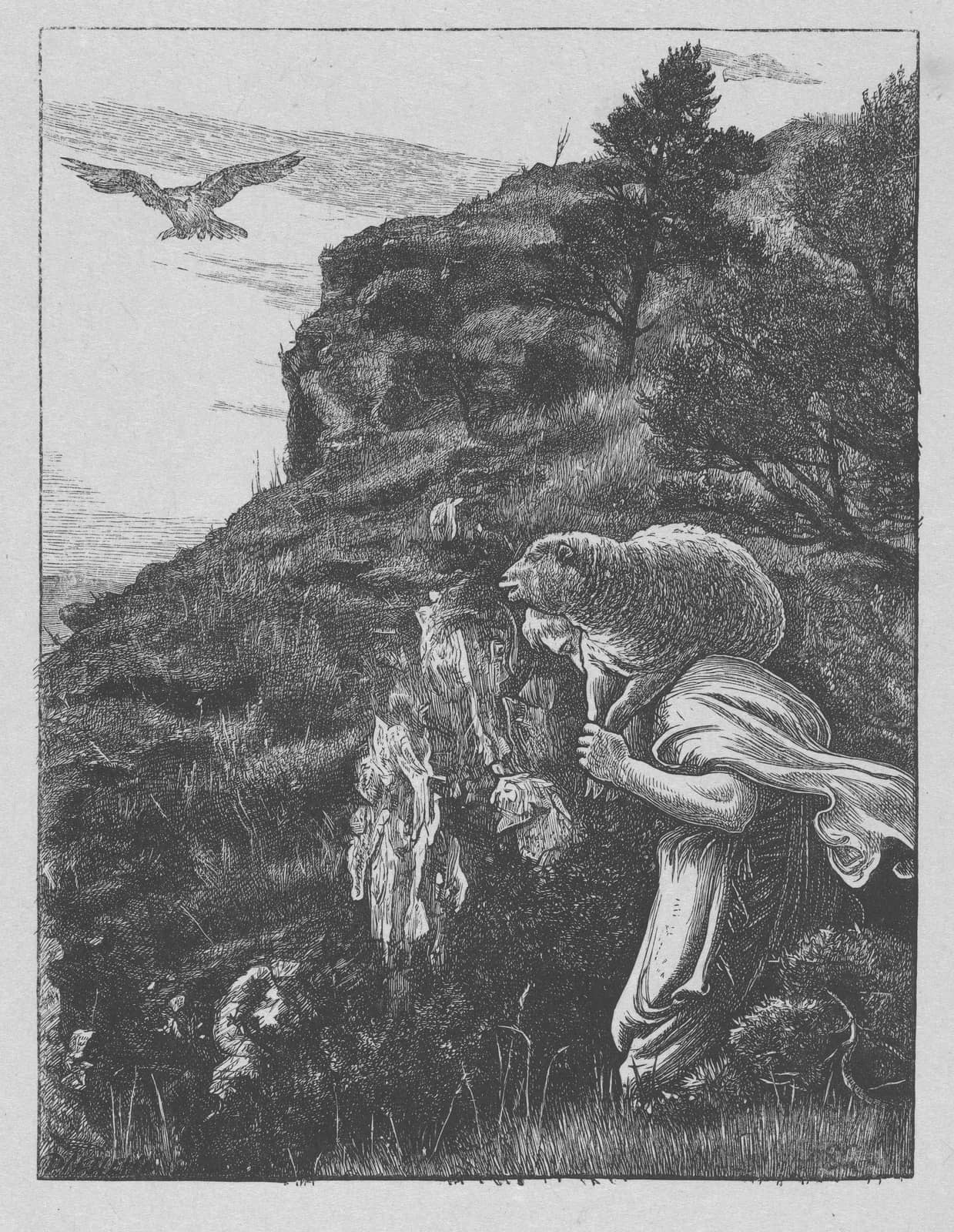
A shepherd carries the lost sheep
Sir John Everett Millais (1829–1896), The Lost Sheep, from The Parables of Our Lord and Saviour Jesus Christ, 1864. Credits

Email view of this day