This day

August 27, 2027

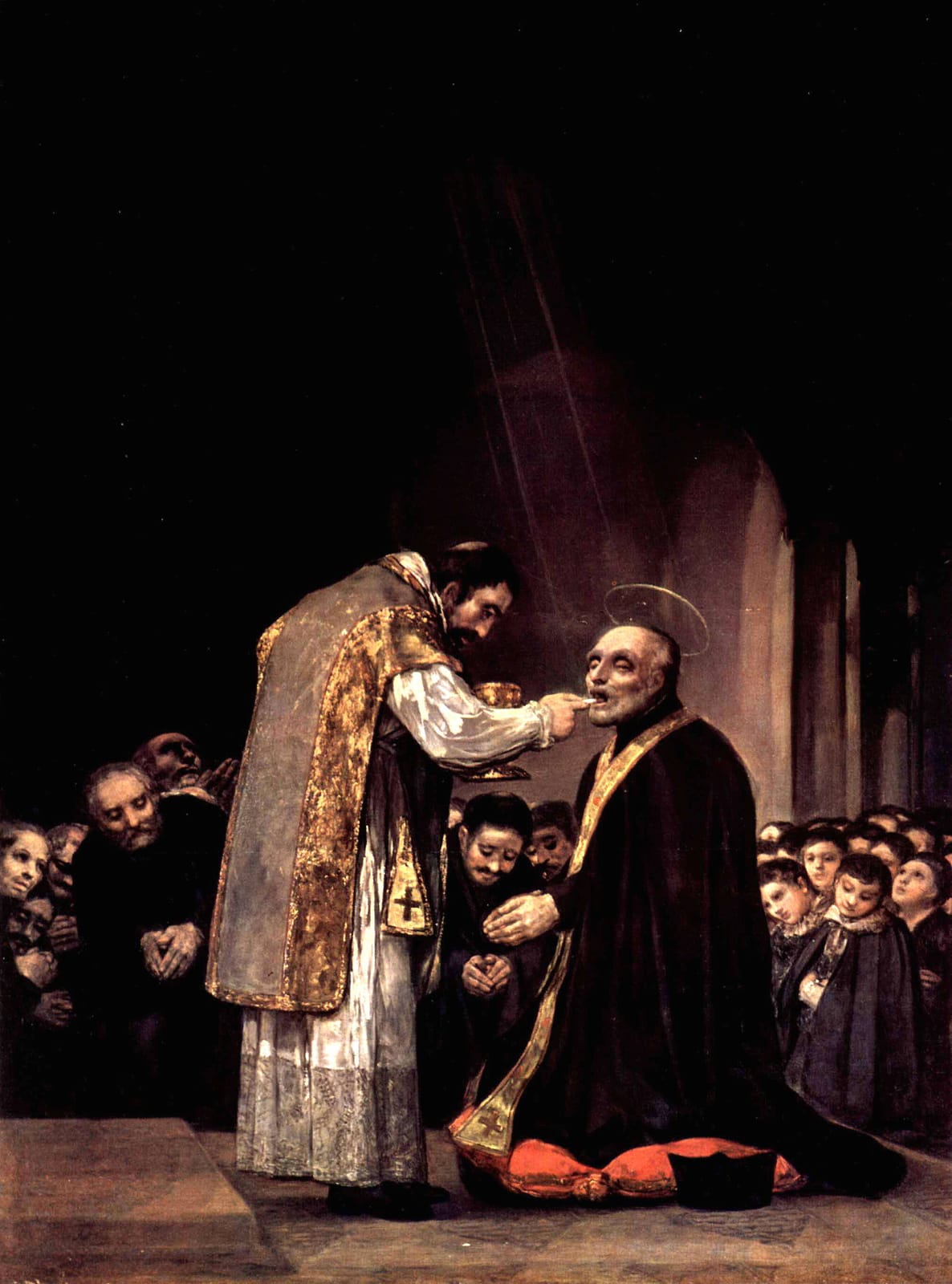
The Last Communion of Saint Joseph of Calasanz
The Last Communion of Saint Joseph of Calasanz, Francisco Goya (1746–1828), 1819. Credits

After Pentecost

August 27, 2027

August 27: St. Joseph Calasanctius, Confessor

From Dom Guéranger’s The Liturgical Year.

‘To thee is the poor man left: thou wilt be a helper to the orphan.’ Proud Venice has already seen these words realized in her noble son Jerome Æmilian: to-day they indicate the sanctity of another illustrious person descended from the first princes of Navarre, but of still higher rank in the kingdom of charity.

God, who waters the trees of the field as well as the cedars of Libanus, because it is He that planted them all, takes care also of the little birds that do not gather into barns: will He then forget the child, who is of much more value than the birds of the air? Or will He give him corporal nourishment, and neglect the soul hungering for the bread of the knowledge of salvation, which strengthens the heart of man? In the sixteenth century one might have been tempted to think our heavenly Father’s granaries were empty. True, the holy Spirit soon raised up new saints; hut the reviving charity was insufficient for the number of the destitute; how many poor ohildren, especially, were without schools, deprived of the most elementary education which is indispensable to the fulfilment of their obligations, and to their nobility as children of God: and there was no one to break to them the bread of knowledge!

This week's Sunday: The Fourteenth Sunday after Pentecost

From Dom Guéranger’s The Liturgical Year.

In the western Church this Sunday is called that of the two masters, because of the Gospel which is read upon it. The Greeks give it the name of the Sunday of the invited to the marriage-feast, or, the fourteenth of St. Matthew, unless the feast of the Exaltation of the holy Cross (September 14) happen to fall during the ensuing week. In this latter case this and the following Sunday are called ‘of the Exaltation,' and take for their Gospels the first from St. John, the second from St. Mark. After this, follow the Sundays called ‘of St. Luke,’which go on till Lent, in the manner already described for St. Matthew.

Behold, O God, our protector! and look on the face of thy Christ! Thus begins the Church, as she advances towards the altar, whereon the holy sacrifice is going to be offered up. The Church is the bride of the Man-God; she is, as the apostle says, His glory; but the Spouse, according to the same St. Paul, is both the image and the glory of God, and the head of His bride.

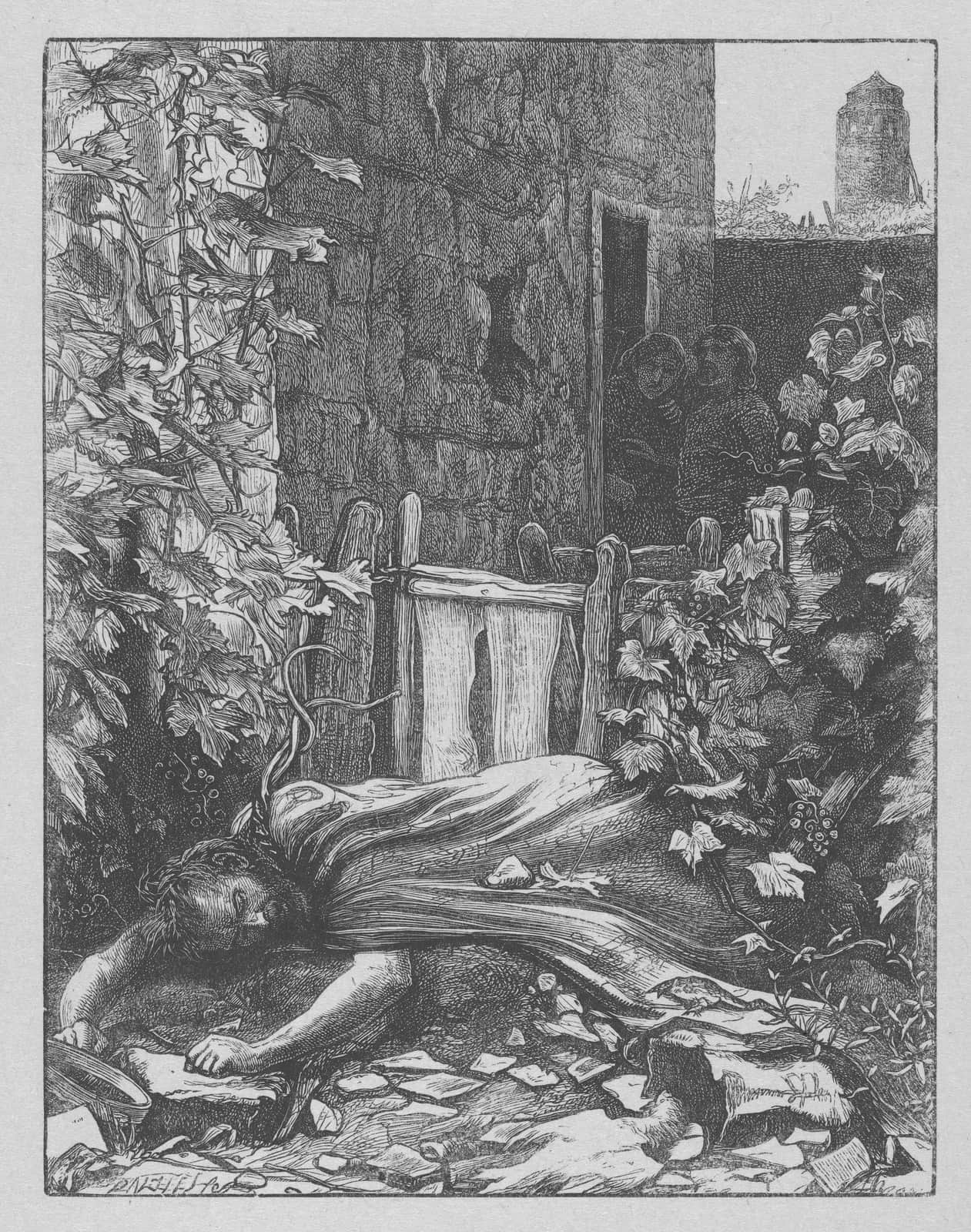
The parable of the wicked husbandmen
Sir John Everett Millais (1829–1896), The Wicked Husbandmen, from The Parables of Our Lord and Saviour Jesus Christ, 1864. Credits

Email view of this day