This day

August 30, 2027

St Rose of Lima
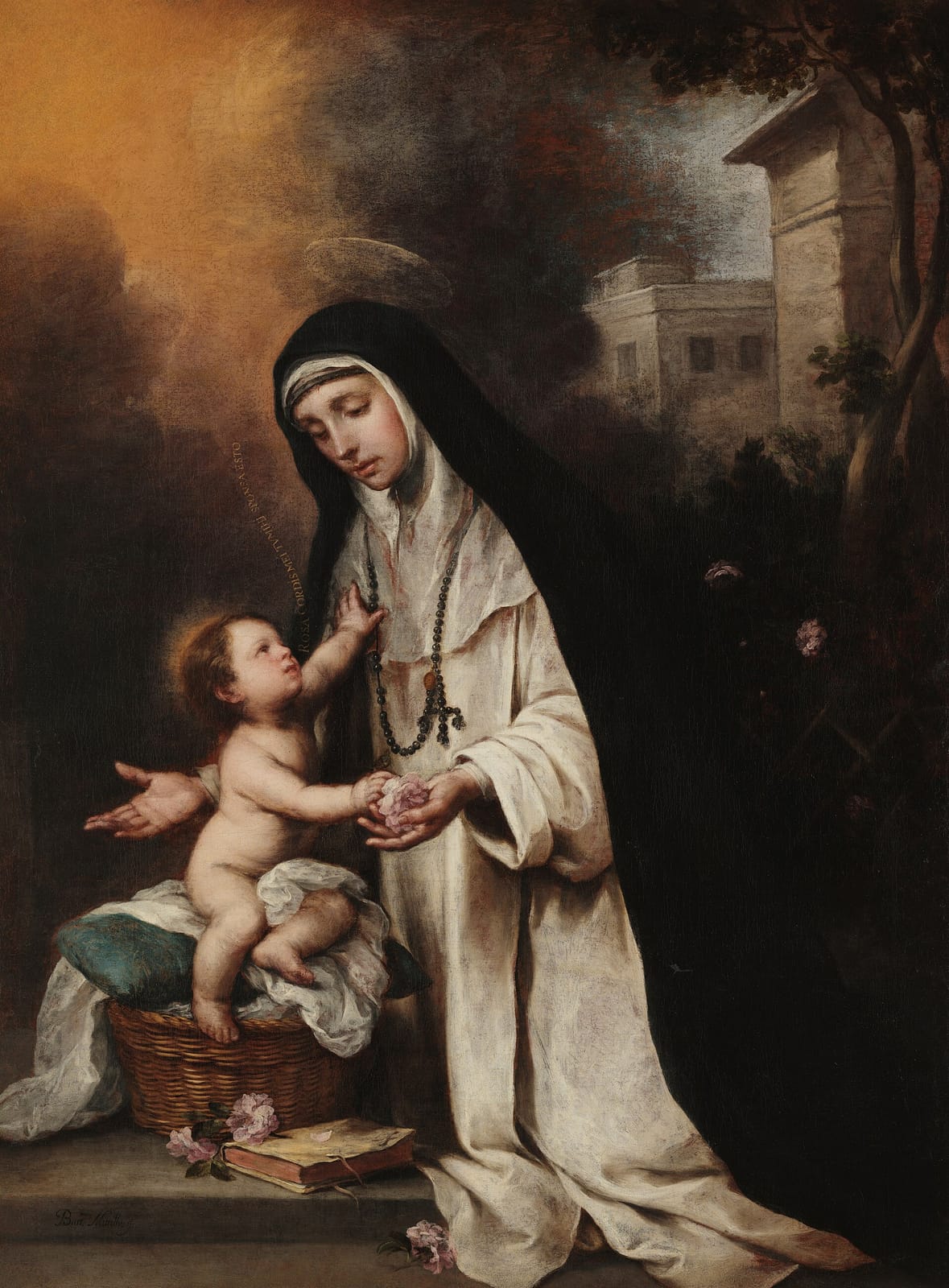
Saint Rose of Lima, Bartolomé Esteban Murillo (1617–1682). Credits

After Pentecost

August 30, 2027

A Double leads; Sts. Felix and Adauctus are commemorated.Rubric

August 30: St. Rose of Lima, Virgin

From Dom Guéranger’s The Liturgical Year.

The fragrance of holiness is wafted to-day across the dark ocean, renewing the youth of the old world, and winning for the new the good will of heaven and earth.

A century before the birth of St. Rose, Spain, having cast out the crescent from her own territory, received as a reward the mission of planting the cross on the distant shores of America. Neither heroes nor apostles were wanting in the Catholic kingdom for the great work; but there was also, unhappily, no lack of adventurers, who, in their thirst for gold, became the scourge of the poor Indians, instead of leading them to the true God. The speedy decadence of the illustrious nation that had triumphed over the Moors, was soon to prove how far a people, prevented with the greatest blessings, may yet be answerable for crimes committed by its individual representatives. It is well known how the empire of the Incas in Peru came to an end. In spite of the indignant protestations of the missionaries: in spite of orders received from the mother country: in a few years, Pizarro and his companions had exterminated one third of the inhabitants of these flourishing regions; another third perished miserably under a slavery worse than death; the rest fled to the mountains, carrying with them a hatred of the invaders, and too often of the Gospel as well, which in their eyes was responsible for atrocities committed by Christians.
Chapter 1: The History of the Time after Pentecost

From Dom Guéranger’s The Liturgical Year.

The solemnity of Pentecost and its octave are over, and the progress of the liturgical year introduces us into a new period, which is altogether different from those we have hitherto spent. From the very beginning of Advent, which is the prelude to the Christmas festival, right up to the anniversary of the descent of the Holy Ghost, we have witnessed the entire series of the mysteries of our redemption; all have been unfolded to us. The sequel of seasons and feasts made up a sublime drama, which absorbed our very existence; we have but just come from the final celebration, which was the consummation of the whole. And yet we have gone through but one half of the year. This does not imply that the period we have still to live is devoid of its own special mysteries; but, instead of keeping up our attention by the ceaseless interest of one plan hurrying on to its completion, the sacred liturgy is about to put before us an almost unbroken succession of varied episodes, of which some are brilliant with glory, and others exquisite in loveliness, but each one of them bringing its special tribute towards either the development of the dogmas of faith or the furtherance of the Christian life.

The parable of the wheat and the weeds
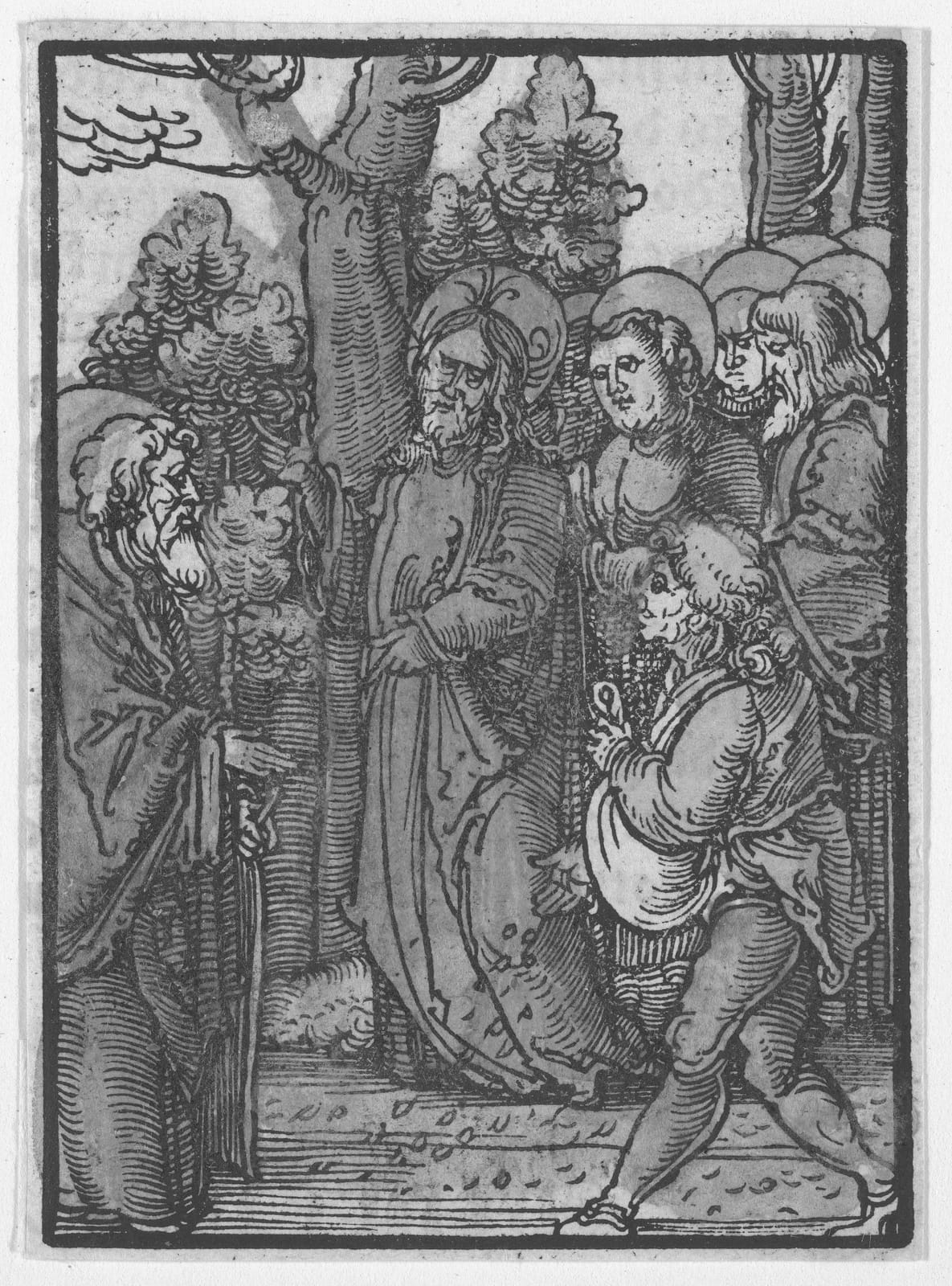
Hans Schäufelein (1480–1540), The Parable of the Sower and the Weeds, from Das Plenarium, 1517. Credits

Email view of this day