This day

September 20, 2027

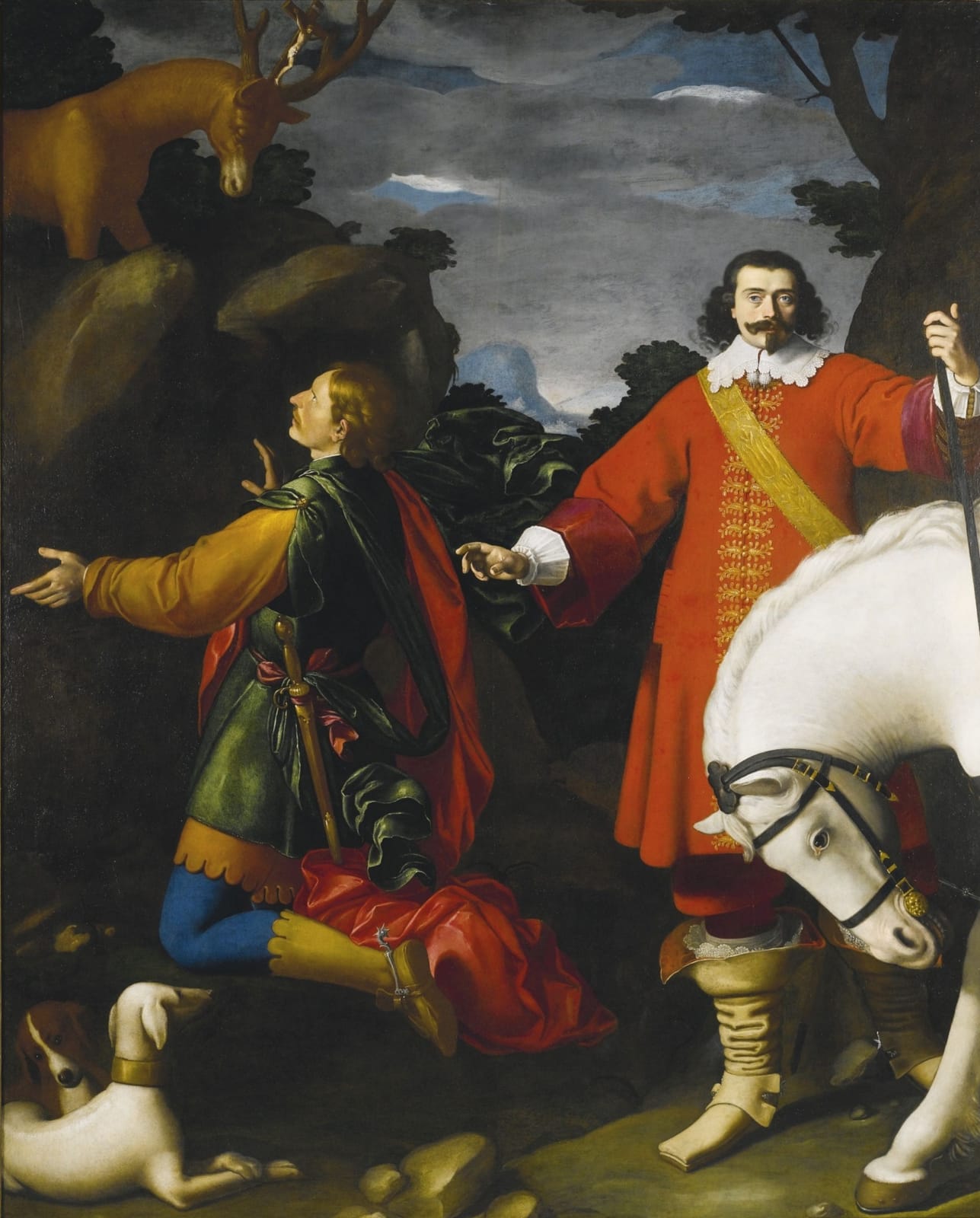
The Vision of Saint Eustace, with a Portrait of the Donor beside his Horse
The Vision of Saint Eustace, with a Portrait of the Donor beside his Horse, Carlo Ceresa (1609–1679), c. 1640. Credits

After Pentecost

September 20, 2027

September 20: St. Eustace and His Companions, Martyrs

From Dom Guéranger’s The Liturgical Year.

The twentieth of September marks one of the saddest events in history. At the height of her power, in the glorious days of Pepin and Charlemagne, the eldest daughter of the Church had crowned her mother; and the Church, in the person of her Head, reigned in reality, as well as by right, until, a thousand years later, satan took advantage of the fallen state of France to despoil Peter of the patrimony which ensured his independence. The holy cross is still shedding its rays upon us!

To-day a group of martyrs, and this time a whole family, father, mother, and sons, take up their position around the standard of salvation. While the antiquity of their cultus in both east and west rests on the best authority, the details of their life are extremely vague. Could Placid the tribune, whose exploits are recorded by Josephus in his Wars of the Jews, be the same as the Eustace we are celebrating to-day? Does the genealogy of our saint connect him with the Octavia family, from which Augustus sprang? Again are we to recognize as his direct descendant the noble Tertullus, who confided to St. Benedict his son Placid, the favourite child of the holy patriarch, and the proto-martyr of the Benedictine Order?
Chapter 6: On Holy Communion during the Time after Pentecost

From Dom Guéranger’s The Liturgical Year.

If, in the early stages of the liturgical year, in Advent, at Christmas, and during the periods of Septuagesima and Lent, when there was question of nothing beyond a preparation for the divine mysteries which wrought our salvation—if, in the name of holy Church, we then invited the faithful to have recourse to the sacrament of our Lord’s Body, as being the heavenly nourishment that would support them in the glorious career on which they had entered; now that the work is done, that they have risen again with their Redeemer, that they have followed Him, by their desires and their hopes, even to the very summit of heaven—now that the Holy Ghost has come down upon this earth, that He might complete within them the work of their union with God, surely, nothing could profit them more than that they nourish themselves, and even more frequently than before, with the Bread of life, which came from heaven, that He might give life to the world.

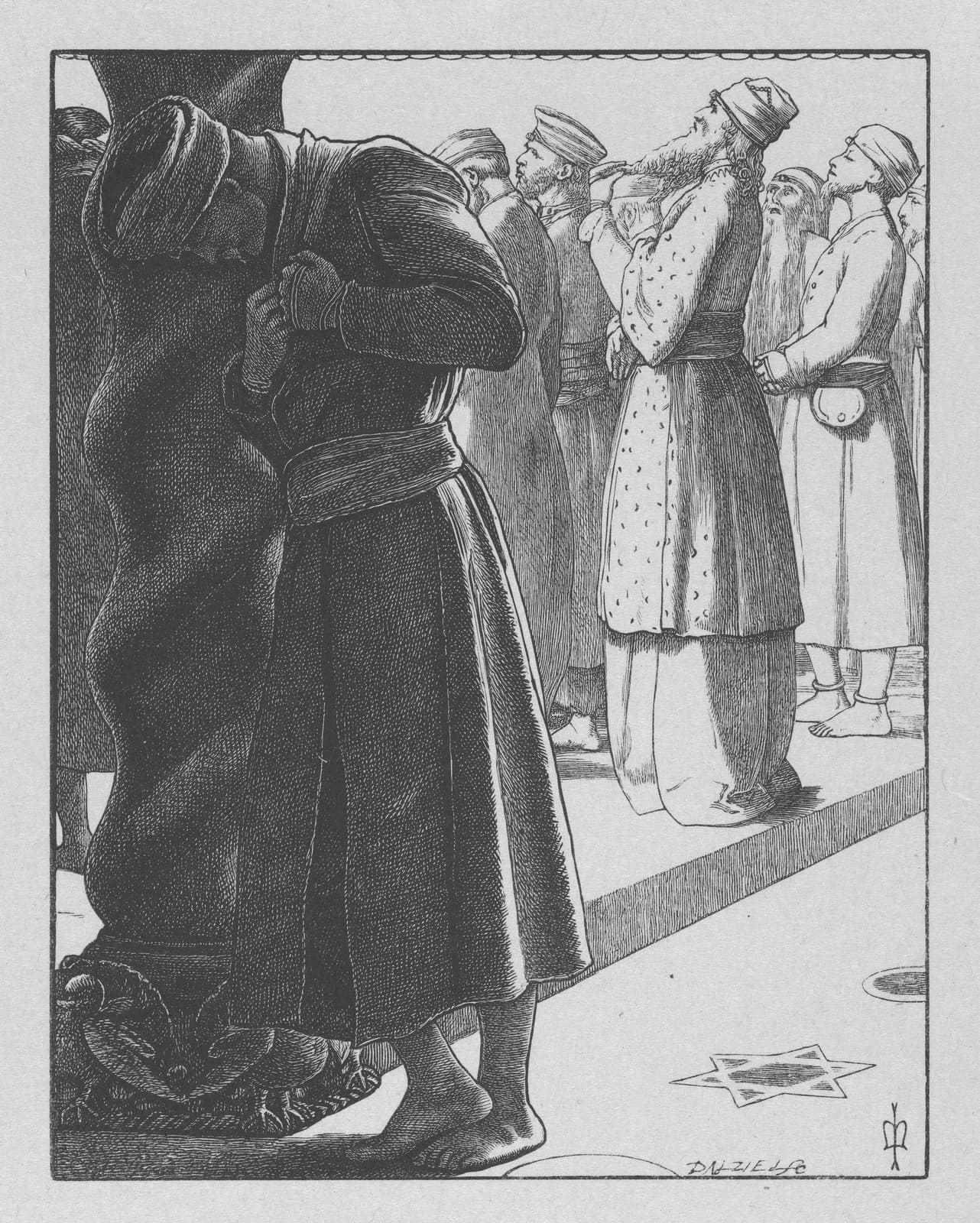
The Pharisee and the publican in the Temple
Sir John Everett Millais (1829–1896), The Pharisee and the Publican, from The Parables of Our Lord and Saviour Jesus Christ, 1864. Credits

Email view of this day