This day

September 24, 2027

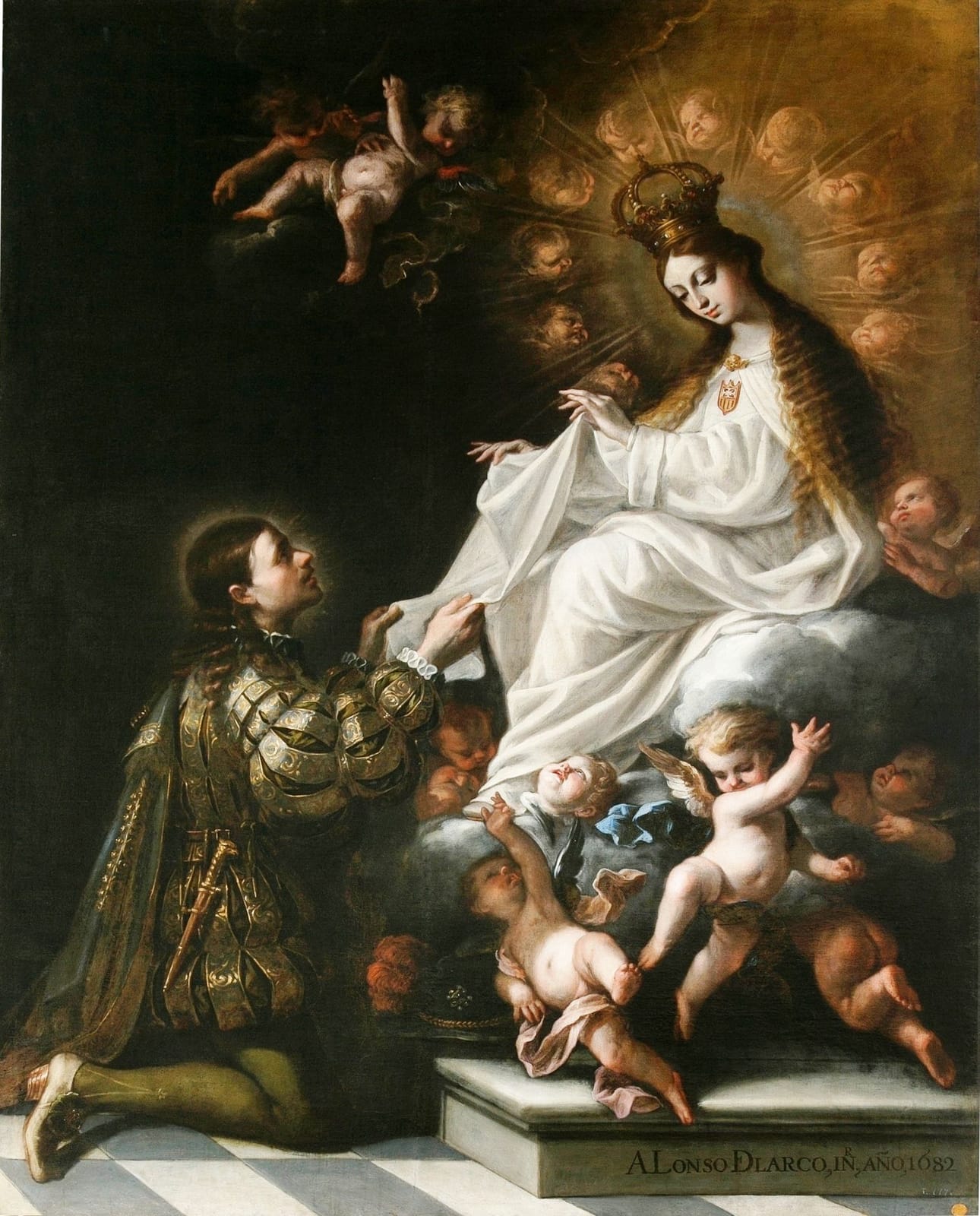
Apparition of the Virgin of Mercy to Saint Peter Nolasco
Apparition of the Virgin of Mercy to Saint Peter Nolasco, Alonso del Arco (1635–1704), 1682. Credits

After Pentecost

September 24, 2027

September 24: Our Lady of Ransom

From Dom Guéranger’s The Liturgical Year.

The Office of the time gives us, at the close of September, the Books of Judith and Esther. These heroic women were figures of Mary, whose birthday is the honour of this month, and who comes at once to bring assistance to the world.

‘Adonai, Lord God, great and admirable, who hast wrought salvation by the hand of a woman:’ the Church thus introduces the history of the heroine, who delivered Bethulia by the sword, whereas Mardoohai’s niece rescued her people from death by her winsomeness and her intercession. The Queen of heaven, in her peerless perfection, outshines them both, in gentleness, in valour, and in beauty. Today’s feast is a memorial of the strength she puts forth for the deliverance of her people.

Finding their power crushed in Spain, and in the east checked by the Latin kingdom of Jerusalem, the Saracens, in the twelfth century, became wholesale pirates, and scoured the seas to obtain slaves for the African markets. We shudder to think of the numberless victims, of every age, sex, and condition, suddenly carried off from the coasts of Christian lands, or captured on the high seas, and condemned to the disgrace of the harem or the miseries of the bagnio.

This week's Sunday: The Eighteenth Sunday after Pentecost

From Dom Guéranger’s The Liturgical Year.

The paralytic carrying his bed is the subject of this day’s Gospel, and gives the eighteenth Sunday after Pentecost its title. This Sunday is inserted in the missal immediately after the Ember-days of autumn. We will not, like the liturgists of the Middle Ages, discuss the question of its having taken the place of the vacant Sunday, which formerly used always to follow the ordination of the sacred ministers, in the manner we have elsewhere described. Manuscript sacramentaries and lectionaries of very ancient date give it the name, which was so much in use, of Dominica vacat. Whatever may be the conclusion arrived at, there is one interesting point for consideration, viz., that in the Mass of this day the order of the lessons taken from St. Paul is broken. The Letter to the Ephesians, which has furnished the Epistles since the sixth Sunday after Pentecost, is to-day interrupted, and in its stead we have some verses from the first Epistle to the Corinthians, wherein the apostle gives thanks to God for the manifold gratuitous gifts granted, in Christ Jesus, to the Church.

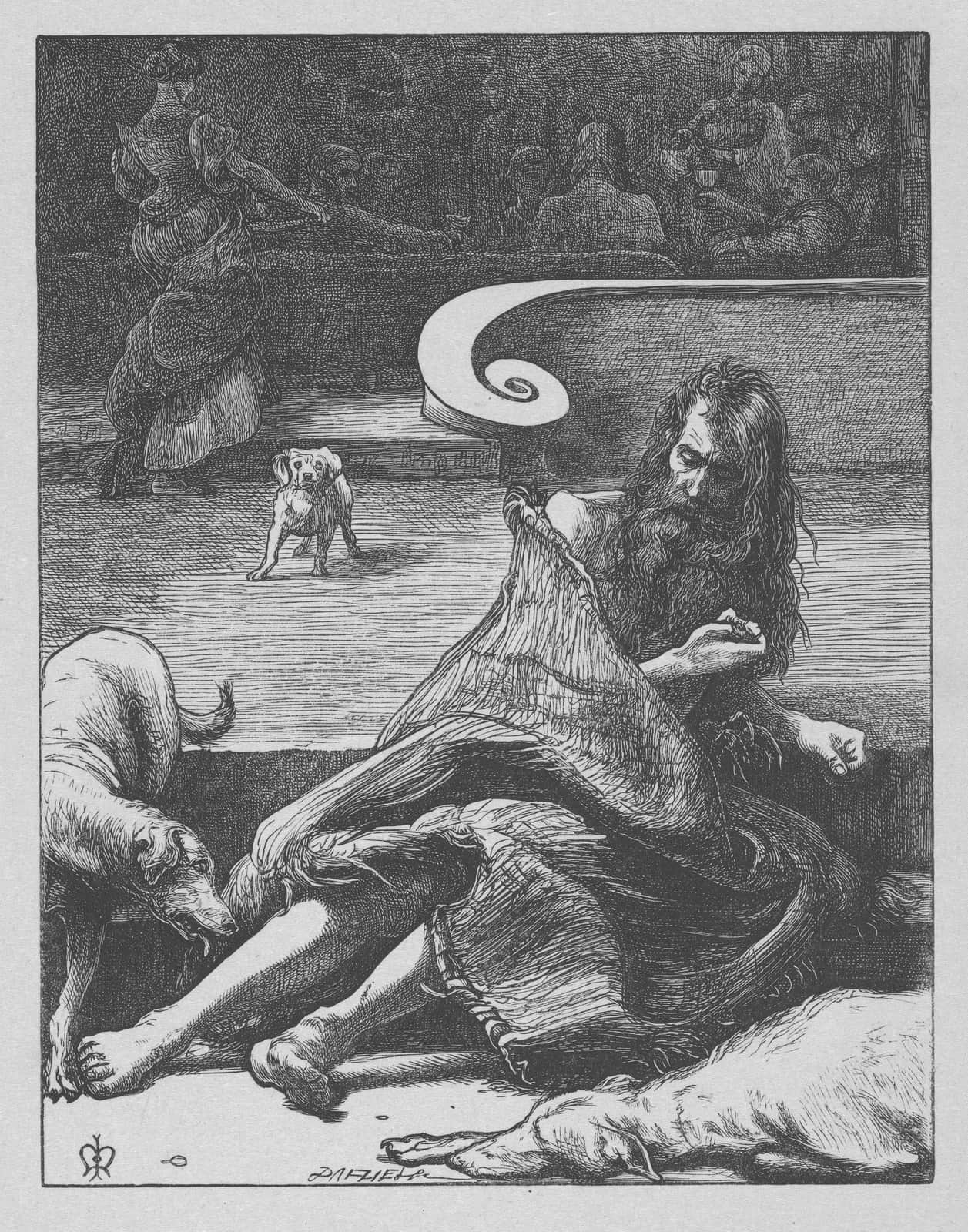
The rich man and Lazarus
Sir John Everett Millais (1829–1896), The Rich Man and Lazarus, from The Parables of Our Lord and Saviour Jesus Christ, 1864. Credits

Email view of this day