This day

October 3, 2027

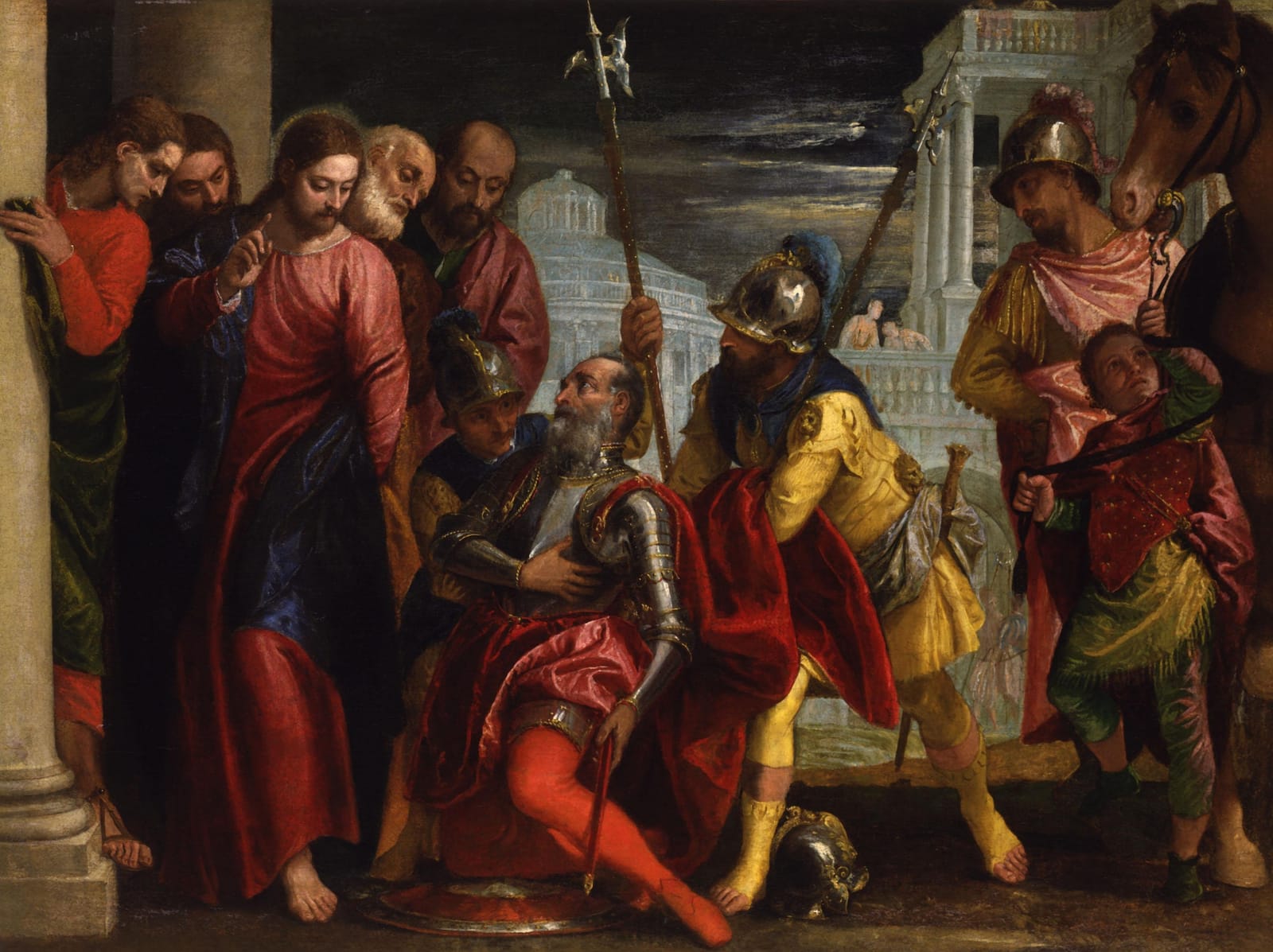
Christ and the centurion who asks healing for his servant
Christ and the Centurion, Paolo Veronese (1528–1588), c. 1575–80. Credits

After Pentecost

October 3, 2027

The Twentieth Sunday after Pentecost

From Dom Guéranger’s The Liturgical Year.

The Gospel of last Sunday spoke to us of the nuptials of the Son of God with the human race. The realization of those sacred nuptials is the object which God had in view in the creation of the visible world; it is the only one He intends in His government of society. This being the case, we cannot be surprised, that the parable of the Gospel, whilst revealing to us this divine plan, has also brought before us the great fact of the rejection of the Jews, and the vocation of the Gentiles, which is not only the most important fact of the world’s history, but is also intimately connected with the consummation of the mystery of the divine union.

And yet, as we have already said, the exclusion of Juda is one day to cease. His obstinate refusal of the grace has caused it to be brought to us Gentiles by the messengers of God’s loving mercy. But, now that the fullness of the Gentiles has heard and followed the heavenly invitation, the time is advancing when the accession of Israel will complete the Church in her members, and give the bride the signal of the final call, which will put an end to the long labour of ages, by the appearance of the Bridegroom.
Chapter 2: The Mystery of the Time after Pentecost

From Dom Guéranger’s The Liturgical Year.

That we may thoroughly understand the meaning and influence of the season of the liturgical year upon which we have now entered, it is requisite for us to grasp the entire sequel of mysteries, which holy Church has celebrated in our presence and company; we have witnessed her services, and we have shared in them. The celebration of those mysteries was not an empty pageant, acted for the sake of being looked at. Each one of them brought with it a special grace, which produced in our souls the reality signified by the rites of the liturgy. At Christmas Christ was born within us; at Passiontide He passed on and into us His sufferings and atonements; at Easter He communicated to us His glorious, His untrammelled life; in His Ascension He drew us after Him, and this even to heaven’s summit; in a word, as the apostle expresses all this working, ‘Christ was formed in us.’

But, in order to give solidity and permanence to the image of Christ formed within us, it was necessary that the Holy Ghost should come, that so He might increase our light, and enkindle a fire within us that should never be quenched.

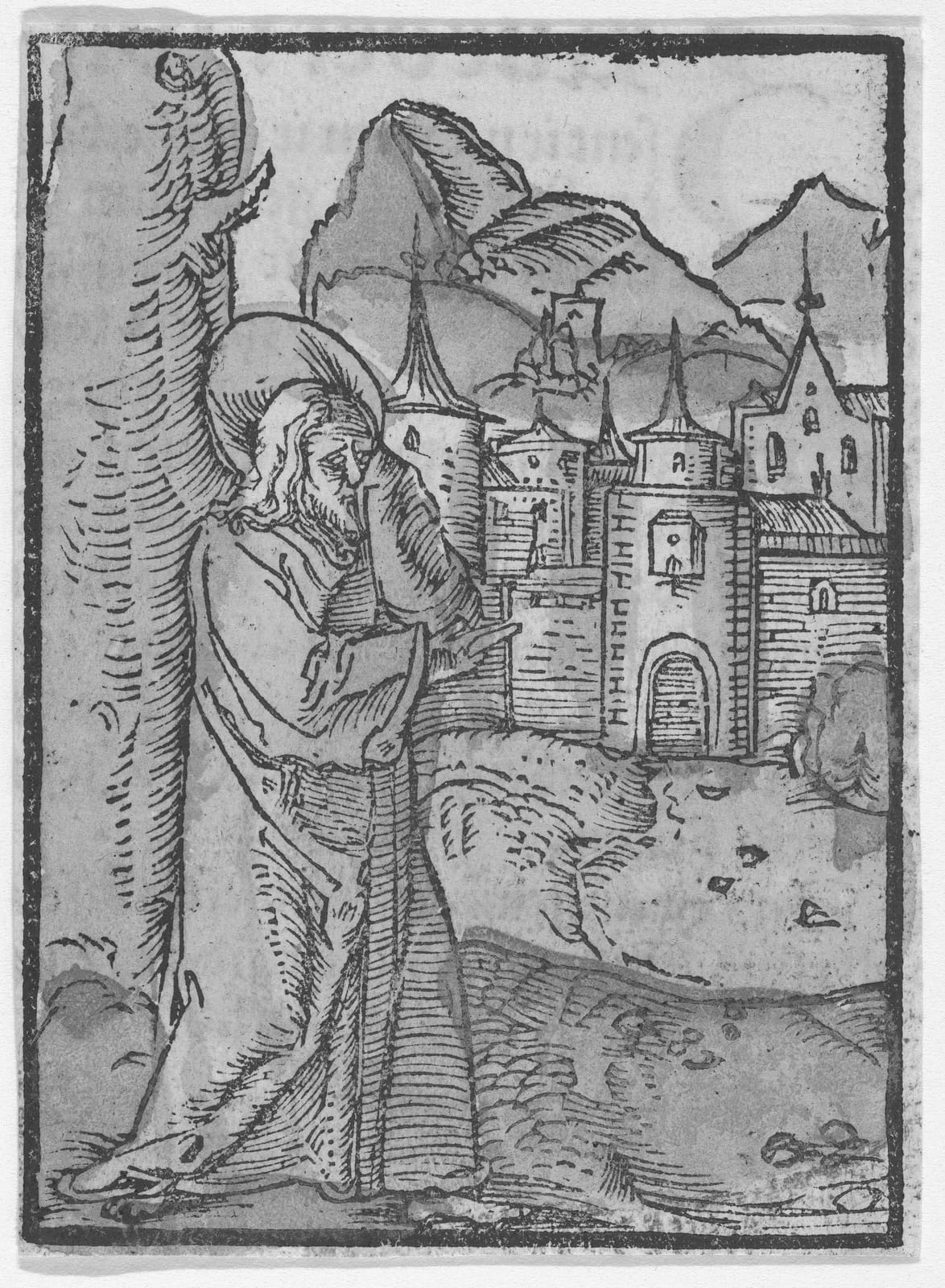
Christ weeping over Jerusalem
Hans Schäufelein (1480–1540), Christ Deploring Jerusalem, from Das Plenarium, 1517. Credits

Email view of this day