This day

October 19, 2027

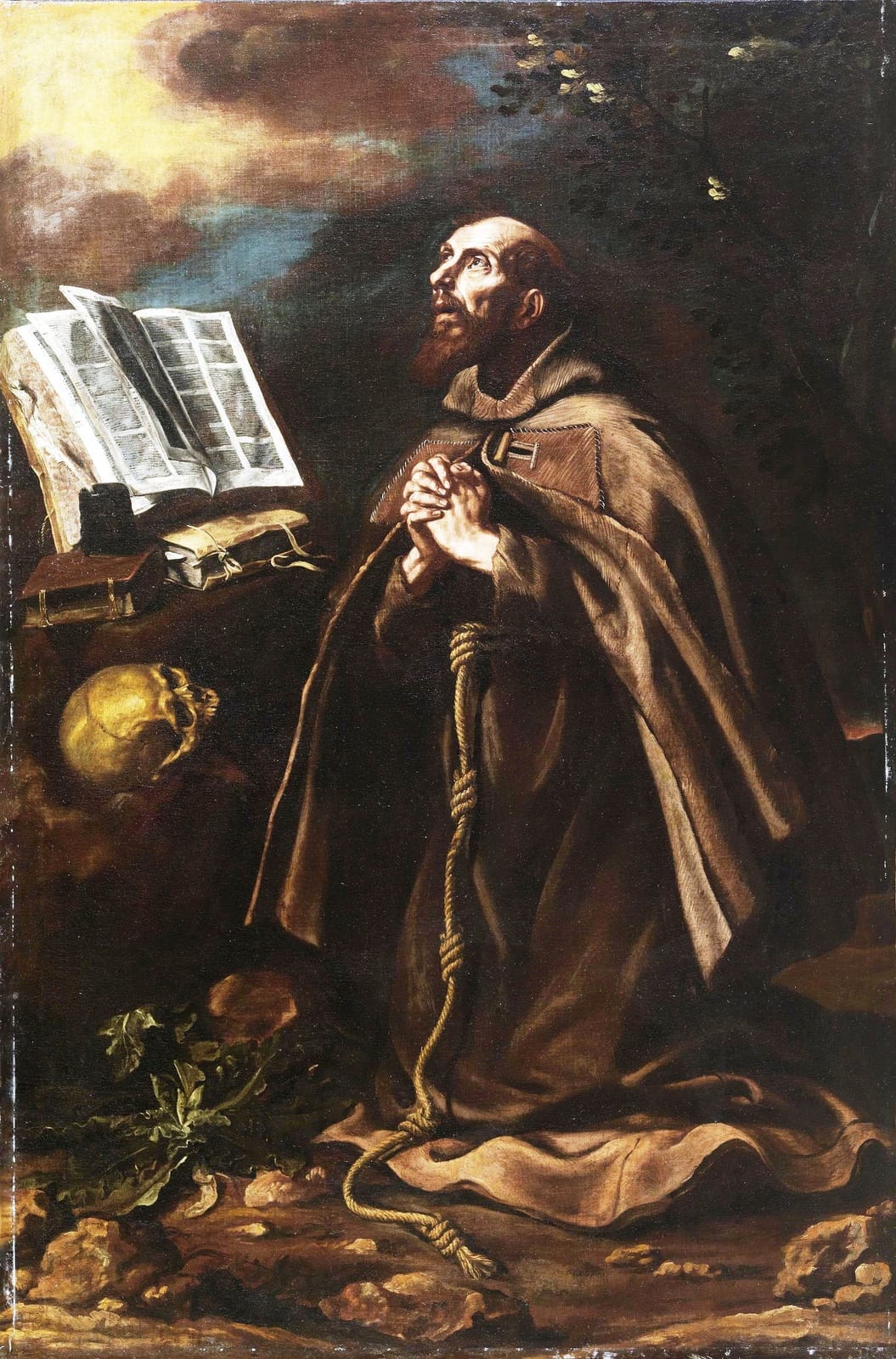
Saint Peter of Alcántara
Saint Peter of Alcántara, Unknown Spanish painter, 17th century. Credits

After Pentecost

October 19, 2027

October 19: St. Peter of Alcantara, Confessor

From Dom Guéranger’s The Liturgical Year.

‘O happy penance, which has won me such glory!' said the saint of to-day at the threshold of heaven. And on earth, Teresa of Jesus wrote of him: ‘Oh! what a perfect imitator of Jesus Christ God has just taken from us, by calling to his glory that blessed religious, Brother Peter of Alcantara! The world, they say, is no longer capable of such high perfection; constitutions are weaker, and we are not now in the olden times. Here is a saint of the present day; yet his manly fervour equalled that of past ages; and he had a supreme disdain for everything earthly. But without going barefoot like him, or doing such sharp penance, there are very many ways in which we can practise contempt of the world, and which our Lord will teach us as soon as we have courage. What great courage must the holy man I speak of have received from God, to keep up for forty-seven years the rigorous penance that all now know!

Of all his mortifications, that which cost him most at the beginning was the overcoming of sleep; to effect this he would remain continually on his knees, or else standing.

This week's Sunday: The Twenty-Second Sunday after Pentecost

From Dom Guéranger’s The Liturgical Year.

According to Honorius of Autun, the Mass of to-day has reference to the days of Antichrist. The Church, foreseeing the reign of the man of sin, and as though she were actually undergoing the persecution which is to surpass all others, takes her Introit of this twenty-second Sunday from the Psalm De profundis.

If, unitedly with this prophetic sense, we would apply these words practically to our own personal miseries, we must remember the Gospel we had last week, which was formerly appointed for the present Sunday. Each one of us will recognize himself in the person of the insolvent debtor, who has nothing to trust to but his master’s goodness; and, in our deep humiliation, we shall exclaim: If thou, O Lord, mark iniquities, who shall endure it?

If thou, O Lord, wilt mark iniquities, Lord! who shall endure it? For with thee there is merciful forgiveness, O God of Israel!
Ps. Out of the depths have I cried unto thee, O Lord: Lord! hear my voice. Glory, etc. If thou.

We have just been rousing our confidence by singing that with God there is merciful forgiveness.

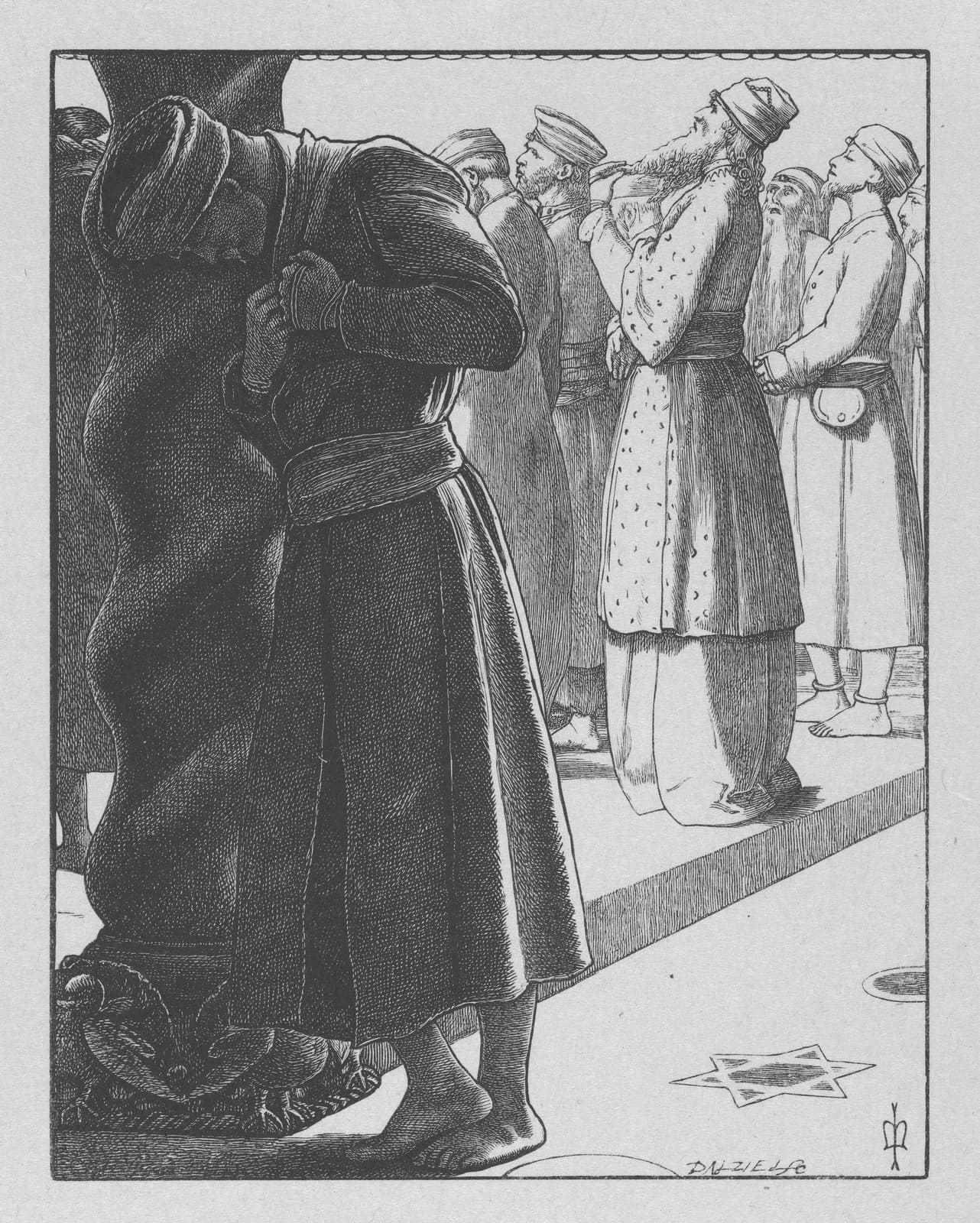
The Pharisee and the publican in the Temple
Sir John Everett Millais (1829–1896), The Pharisee and the Publican, from The Parables of Our Lord and Saviour Jesus Christ, 1864. Credits

Email view of this day