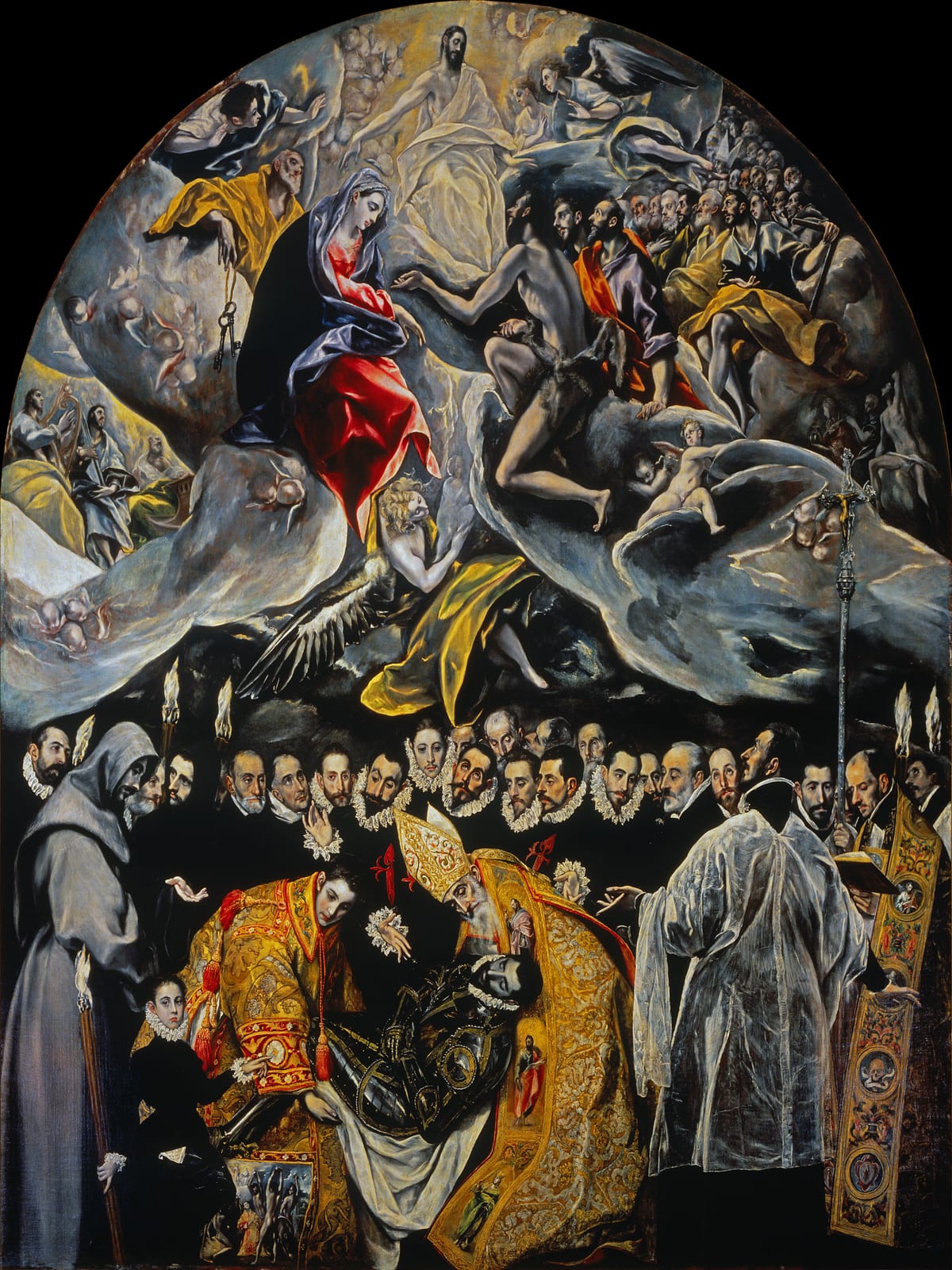
This day

November 6, 2027

After Pentecost

November 6, 2027

November 6: Sixth Day within the Octave of All Saints

From Dom Guéranger’s The Liturgical Year.

Thou art my portion, O Lord, Alleluia, in the land of the living, Alleluia, Alleluia. — Bring forth my soul out of prison, to confess to thy Name; in the land of the living, Alleluia, Alleluia. — Glory and honour be to the Father, and to the Son, and to the Holy Ghost, world without end, Amen: in the land of the living, Alleluia, Alleluia.

Such is the opening chant for the departed, in the Mozarabic Missal. With the Greeks, in like manner, no word is of more frequent recurrence in the Office of the Dead, than the Alleluia. Moreover, both Greece and Spain are but observing what was once a general practice throughout the Church.

St. Jerome tells us how, at the death of Fabiola, all the Roman people assembled, the chant of psalms echoed on all sides, and the sublime Alleluia filled the temples till it shook their gilded roofs. Two centuries later, the story of St. Radegonde's funeral, written by her daughter Baudonivia, proves that, if submissive tears were not forbidden to the survivors and might at times even flow abundantly, the custom in Gaul was, nevertheless, the same as that of Rome.

This week's Sunday: The Fourth Resumed Sunday after Epiphany

From Dom Guéranger’s The Liturgical Year.

The Lord saith: I think thoughts of peace, and not of affliction: ye shall call upon me, and I will hear you: and I will bring back your captive people from all places.

Ps. Thou, O Lord, hast blessed thy land: thou hast brought back the captive children of Jacob. Glory, etc. The Lord.

O God, who knowest that, through human frailty, we are not able to subsist amidst such great dangers; grant us health of soul and body; that, whatsoever things we suffer because of our sins, we may conquer them, by thine assistance. Through, etc.

Lesson of the Epistle of St. Pau the Apostle to the Romans.
Ch. xiii.
Brethren: Owe no man anything, but to love one another: for he that loveth his neighbour, hath fulfilled the law. For, thou shalt not commit adultery: Thou shalt not kill: Thou shalt not steal: Thou shalt not bear false witness: Thou shalt not covet: and, if there be any other commandment, it is comprised in this word: Thou shalt love thy neighbour as thyself. The love of our neighbour worketh no evil.

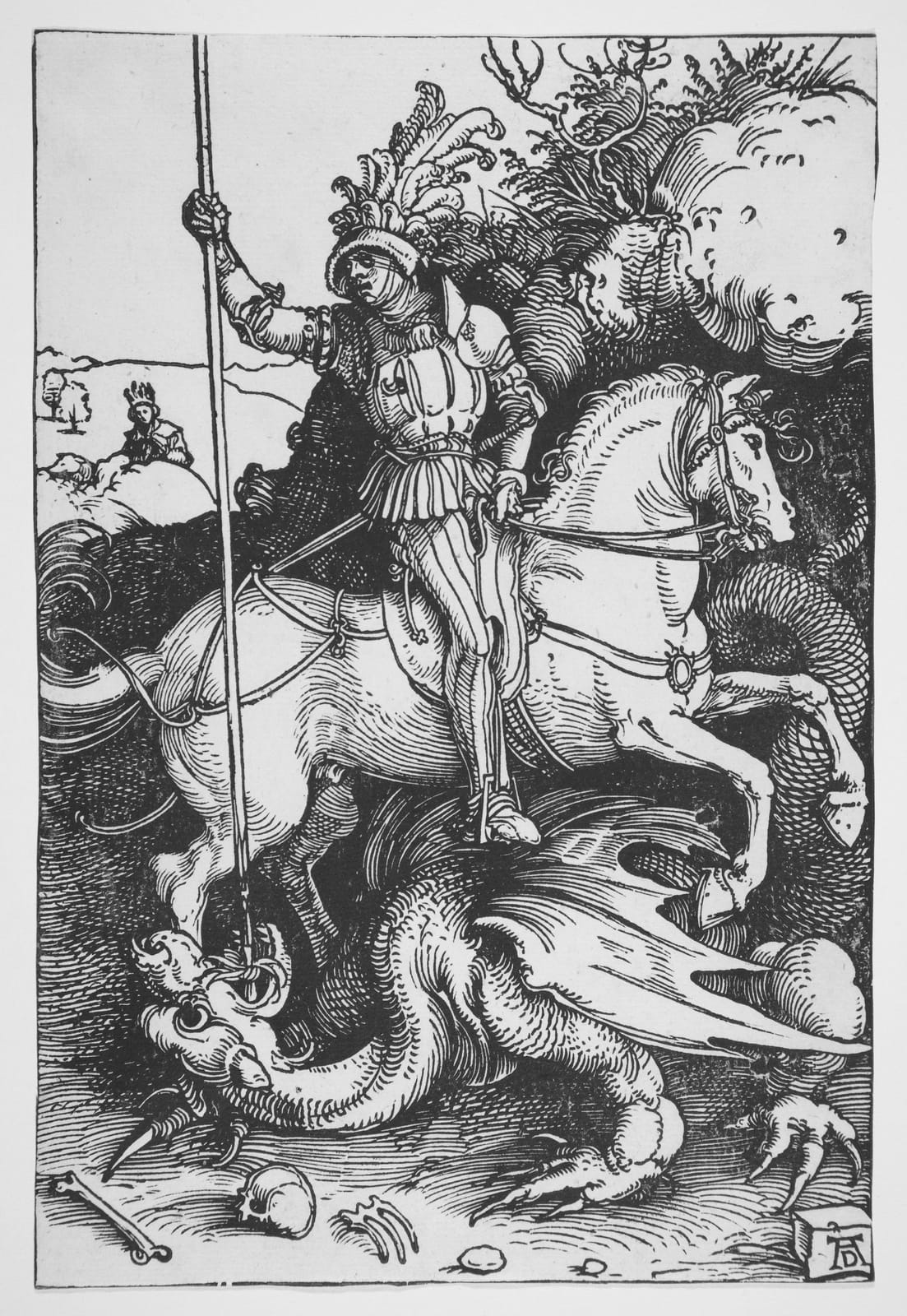
Saint George slaying the dragon
Albrecht Dürer (1471–1528), Saint George Slaying the Dragon, ca. 1504. Credits

Email view of this day