This day

November 10, 2027

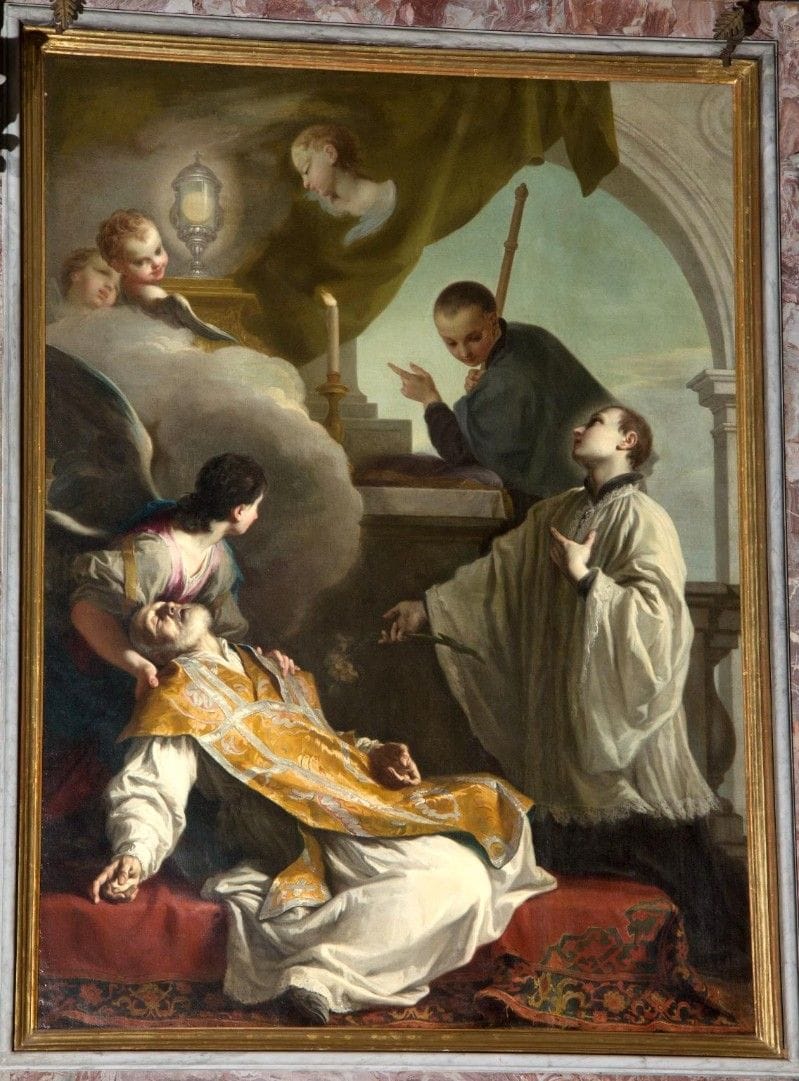
Death of St Andrew Avellino with Saints
Death of St Andrew Avellino with Saints, Giambettino Cignaroli (1706–1770), 1745. Credits

After Pentecost

November 10, 2027

A Double leads; Sts. Tryphon, Respicius, and Nympha are commemorated.Rubric

November 10: St. Andrew Avellino, Confessor

From Dom Guéranger’s The Liturgical Year.

IN the sixteenth century, in reply to the reproach of exhaustion hurled against the Church, the Holy Ghost raised from her soil an abundant harvest of sanctity. Andrew was one of his most worthy cooperators in the work of holy reformation and supernatural renaissance, which then took place. Eternal Wisdom had as usual suffered Satan to go before, for his own greater shame, cloaking his evil works under the grand names of renaissance and reform.

It was nine years since St. Cajetan had departed this world, leaving it strengthened by his labours and all embalmed with the fragrance of his virtues; the former Bishop of Theate, his companion and col­laborator in founding the first Regular Clerks, was now governing the Church under the name of Paul IV.; when in 1556 God bestowed upon the Theatines, in the person of our Saint, an heir to the supernatural gifts, the heroic sanctity, and the zeal for the sanctuary, that had characterized their father. Andrew was the friend and support of the great Bishop of Milan, St. Charles Borromeo, whose glory in heaven he went to share on this day.
Chapter 8: Of the Office of Compline for Sundays and Feasts during the Time after Pentecost

From Dom Guéranger’s The Liturgical Year.

This Office, which concludes the day, commences by a warning of the dangers of the night; then immediately follows the public confession of our sine, as a powerful means of propitiating the divine justice, and of obtaining God’s help, now that we are going to spend so many hours in the unconscious, and therefore dangerous, state of sleep, which is also such an image of death.

May the almighty Lord grant us a quiet night, and a perfect end.
℟. Amen.

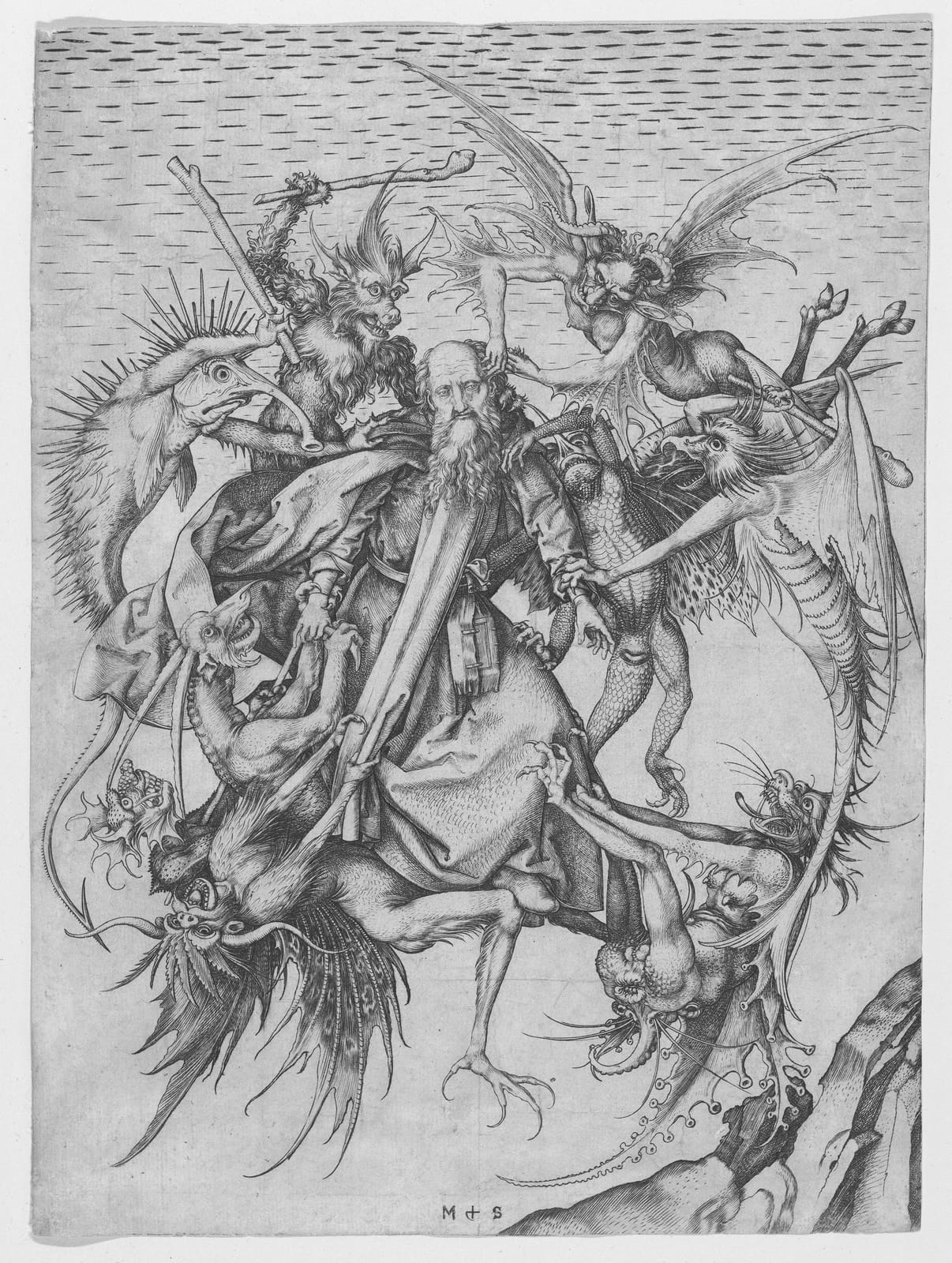
The lector then reads these words, from the first Epistle of St. Peter: Fratres: Sobrii estote et vigilate: quia adversarius vester diabolus tamquam leo rugiens circuit, quærens quem devoret: cui resistite fortes in fide. Tu autem, Domine, miserere nobis.

Brethren, be sober and watch: because your adversary the devil, as a roaring lion, goeth about seeking whom he may devour: whom resist ye, strong in faith. But thou, O Lord, have mercy on us.

Then the Lord’s Prayer is recited in secret; after which the priest says the Confiteor, and when he has finished, the choir repeats it.

Saint Anthony tormented by demons
Martin Schongauer (ca. 1435/50–1491), Saint Anthony Tormented by Demons, ca. 1470–75. Credits

Email view of this day