This day

December 15, 2027

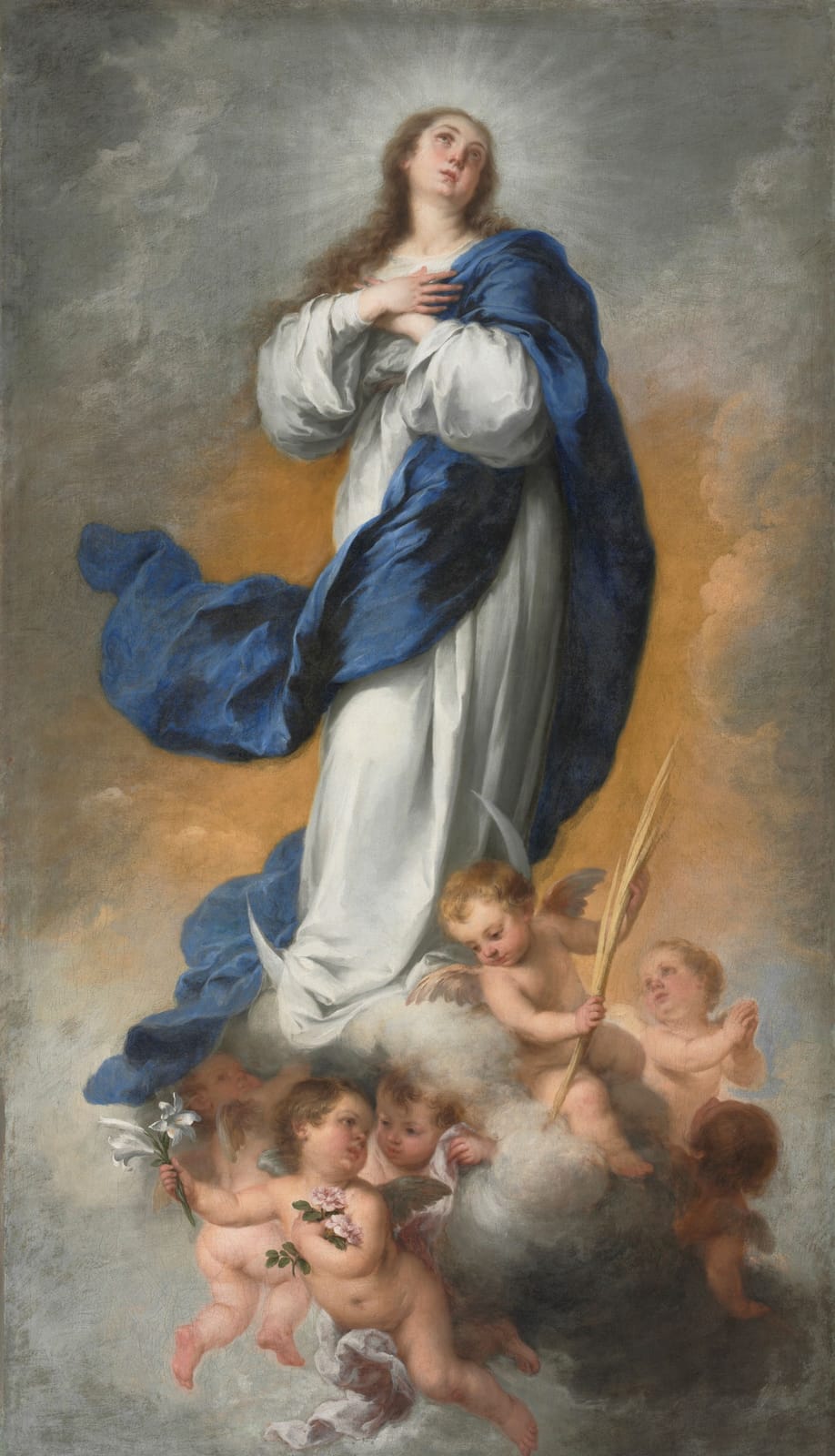
The Immaculate Conception
The Immaculate Conception, Bartolomé Esteban Murillo (1617–1682), c. 1680. Credits

Advent

December 15, 2027

A Double leads the weekday.Rubric

December 15: Octave of the Immaculate Conception of the Most Blessed Virgin

From Dom Guéranger’s The Liturgical Year.

This, the eighth day from that on which we kept the feast of the Immaculate Conception, is the octave properly so called; whereas the other days were simply called days within the octave. The custom of keeping up the principal feasts for a whole week is one of those which the Christian Church adopted from the Synagogue. God had thus spoken in the Book of Leviticus: 'The first day shall be called most solemn and most holy, you shall do no servile work therein.... The eighth day also shall be most solemn and most holy, and you shall offer holocausts to the Lord, for it is the day of assembly and congregation: you shall do no servile work therein.' We also read in the Book of Kings, that Solomon, having called all Israel to Jerusalem for the dedication of the temple, suffered not the people to return home until the eighth day.

We learn from the Books of the new Testament that this custom was observed in our Saviour’s time, and we find Him authorizing, by His own example, this solemnity of the octave.

Wednesday in Ember Week of Advent

From Dom Guéranger’s The Liturgical Year.

Prope est jam Dominus; venite, adoremus.
The Lord is now nigh; come, let us adore.

To-day the Church begins the fast of Quatuor Tempora, or, as we call it, of Ember days: it includes also the Friday and Saturday of this same week. This observance is not peculiar to the Advent liturgy; it is one which has been fixed for each of the four seasons of the ecclesiastical year. We may consider it as one of those practices which the Church took from the Synagogue; for the prophet Zacharias speaks of the fasts of the fourth, fifth, seventh, and tenth months. Its introduction into the Christian Church would seem to have been made in the apostolic times; such, at least, is the opinion of St. Leo, of St. Isidore of Seville, of Rabanus Maurus, and of several other ancient Christian writers. It is remarkable, on the other hand, that the orientals do not observe this fast.

From the first ages the Quatuor Tempora were kept, in the Roman Church, at the same time of the year as at present.

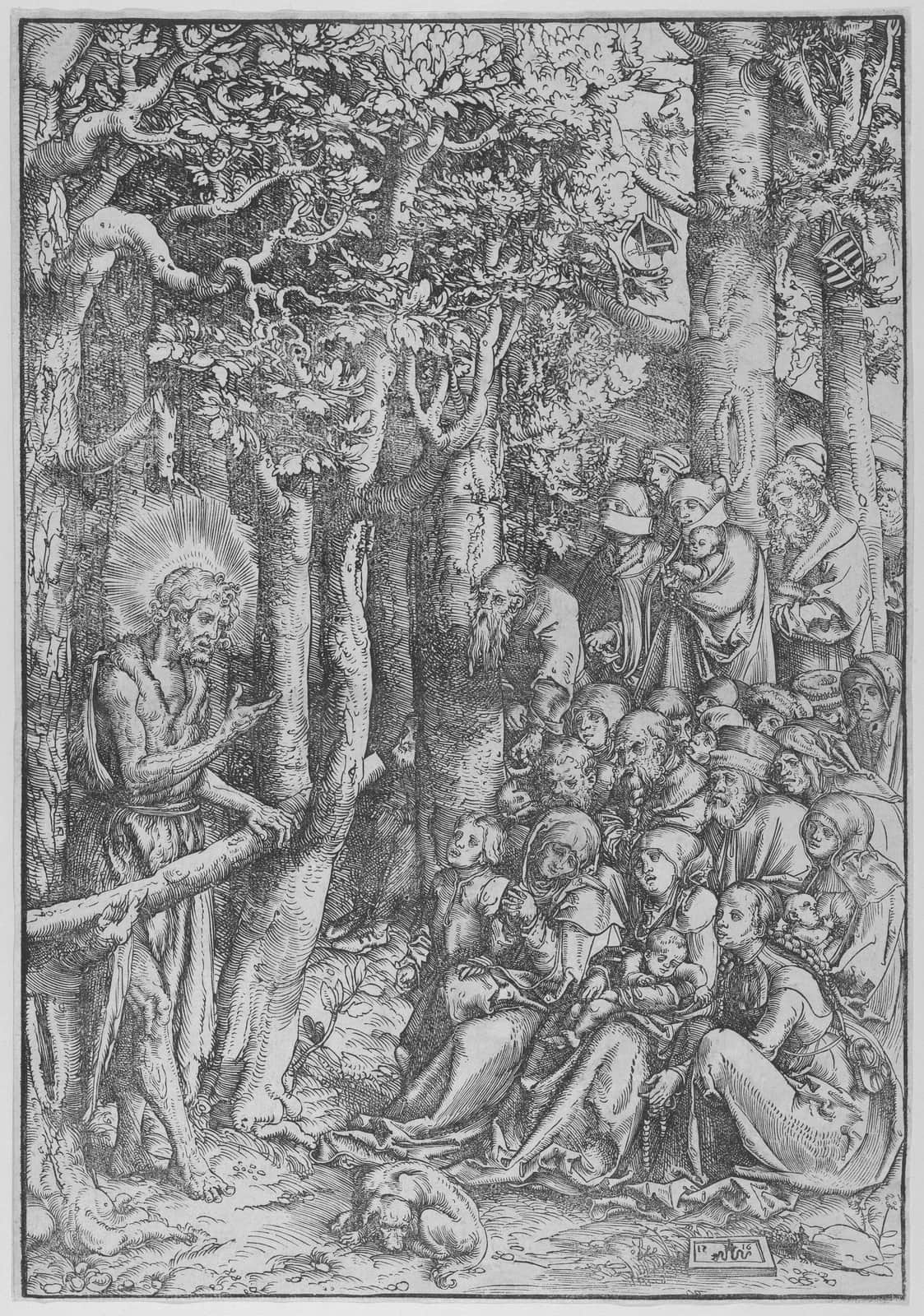
St John the Baptist preaching to a crowd in the wilderness
Lucas Cranach the Elder (1472–1553), The Sermon of St. John the Baptist, 1516. Credits

Email view of this day