This day

January 3, 2028

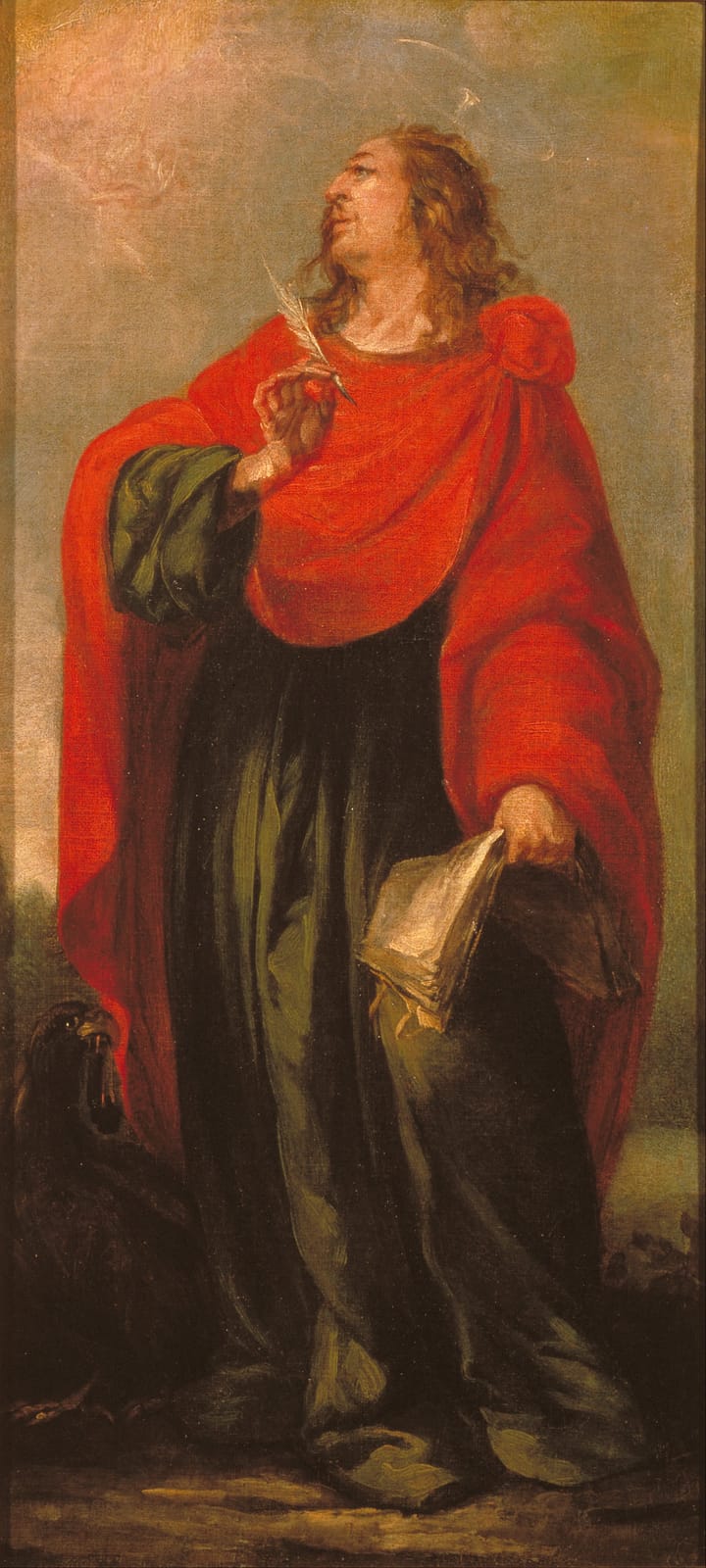
Saint John the Evangelist with a quill, a book, and an eagle
Saint John the Evangelist, Juan de Valdés Leal (1622–1690), 1675–1679. Credits

Christmas

January 3, 2028

January 3: The Octave of St. John, Apostle and Evangelist

From Dom Guéranger’s The Liturgical Year.

THE Octave of the Beloved Disciple closes to-day: let us devoutly offer him our parting homage. We shall meet him again, during the year; for, on May 6, when the Resurrection of his Divine Master is gladdening the Church with the Easter joys, we shall have the Feast of our Apostle's Confession made before the Latin Gate: but his grand Feast ends to-day, and he has done too much on our behalf this Christmas for us to allow this Octave Day to pass without returning him our warmest thanks. Let us begin by exciting ourselves to a great reverence for our Saint; and to this end, let us continue the considerations we were making this day week on the favours conferred upon him by Jesus.

The Apostolate of St John produced a plentiful harvest among the people to whom he was sent. The Parthians received the Gospel from him, and most of the Churches of Asia Minor were founded by him. Of these latter, seven, together with their Angels, were chosen by Christ himself to typify the several kinds of Pastors; and probably, as some have interpreted this passage of the Apocalypse, these Seven may be taken as representing the seven Ages of the Church herself.

This week's Sunday: Sunday between the Circumcision and the Epiphany (or, the Feast of the Holy Name of Jesus)

From Dom Guéranger’s The Liturgical Year.

(When the first Sunday occurring in the year falls on January 1 or 6, or 7, the feast of the holy Name is kept on January 2.)

THE second Sunday after the Epiphany, which recalls the Marriage feast of Cana, was at first chosen as the day on which to honour the most holy Name of Jesus. It is on the Wedding Day that the Bridegroom gives his Name to the Bride, and it is the sign that, from that day forward, she belongs to him alone. The Church, therefore, wishing to honour a name so precious to her with a special feast, could find no day more appropriate for it than that of the Marriage at Cana. But now she has chosen for the celebration of this august Name, a day closer to the Anniversary on which it was given, ‘after eight days were accomplished, his name was called Jesus’; she leaves, however, the commemoration of the Sacred Nuptials to the Sunday of which it has ever been the glory.

In the Old Covenant, the Name of God inspired fear and awe: nor was the honour of pronouncing it granted to all the children of Israel.

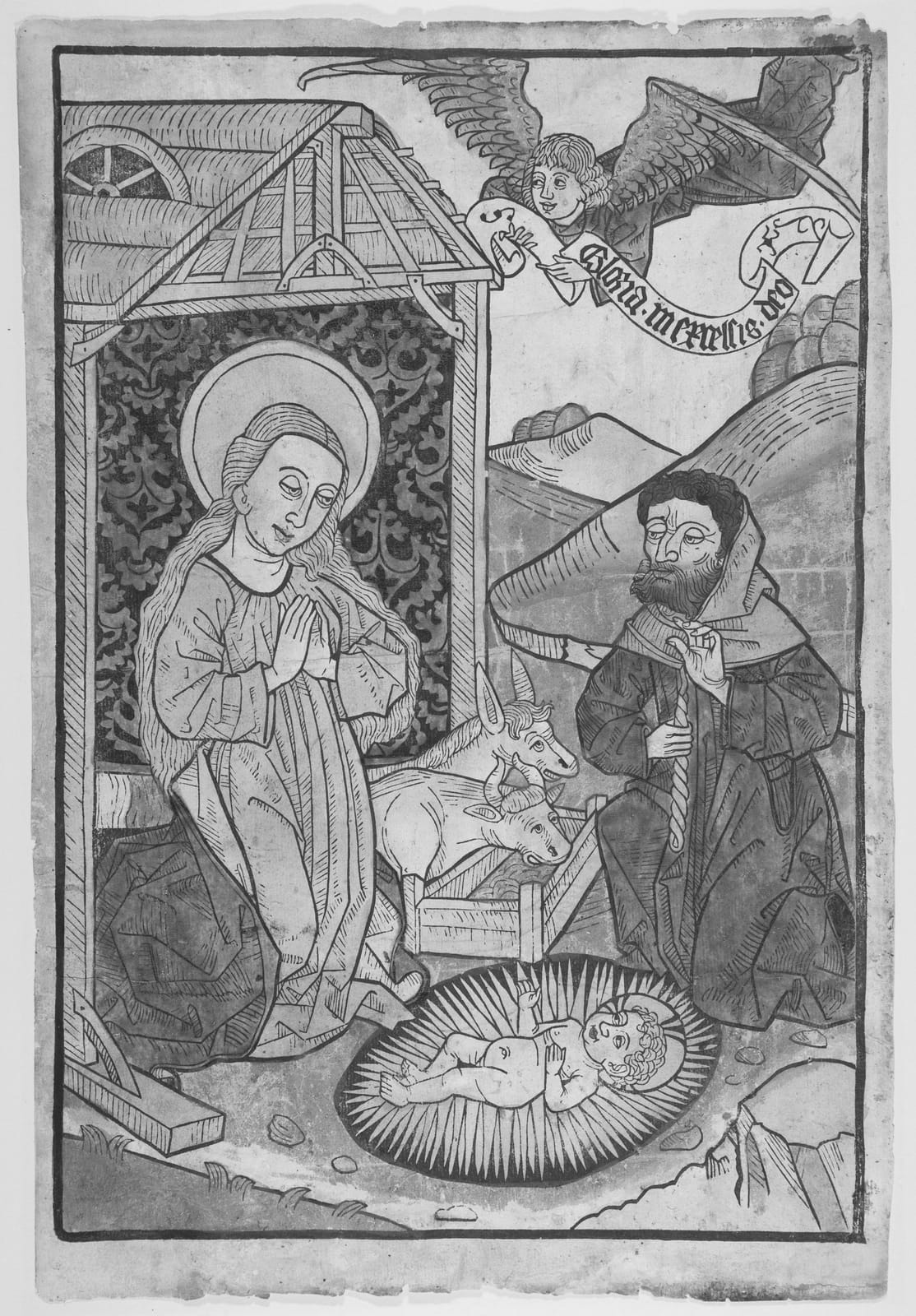
The Nativity: the Virgin and Joseph adore the Christ Child; an angel bears Gloria in excelsis Deo
Wolfgang (1450–1500), The Nativity, ca. 1470. Credits

Email view of this day