This day

February 26, 2028

Septuagesima

February 26, 2028

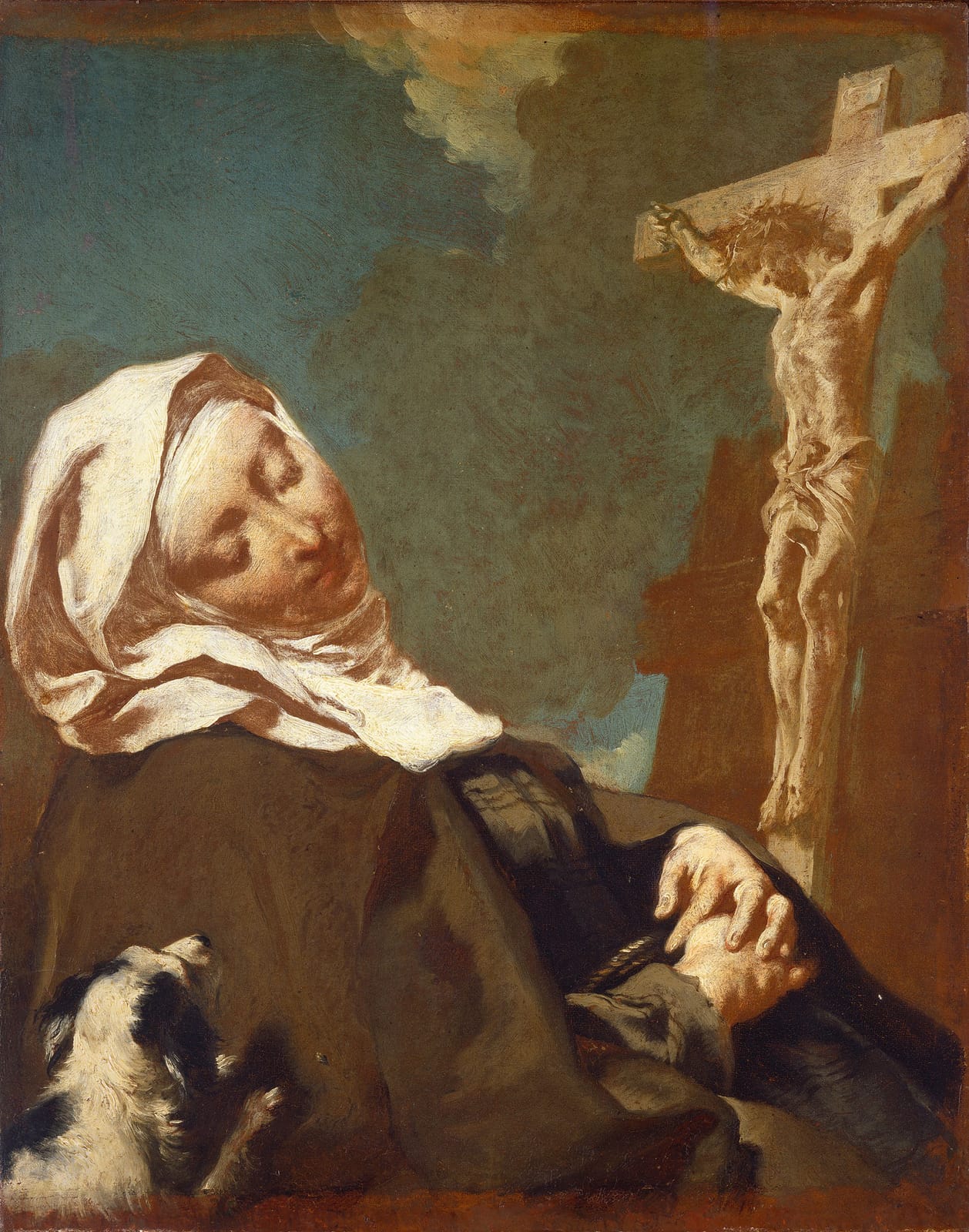
February 26: St. Margaret of Cortona, Penitent

From Dom Guéranger’s The Liturgical Year.

Close to the faithful virgins, who form the court of Jesus, there stand those holy women, whose repentance has merited for them a prominent place in the calendar of the Church. They are the bright trophies of God’s mercy. They expiated their sins by a life of penance; the tears of their compunction wiped away their guilt; He that is purity itself has found them worthy of His love, and, when pharisees affect to be shocked at His allowing them to be near Him, He warmly defends them. Foremost among these is Mary Magdalene, to whom much was forgiven, because she loved much; but there are two on the list of penitent saints whose names shine most brightly on the calendar of this portion of the year; and who were, like Mary Magdalene, ardent in their love of the divine Master, whom they had once offended: these are, Mary of Egypt, and Margaret of Cortona. It is the second of these who to-day tells us the consoling truth that if sin separate us from God, penance has the power not only of disarming His anger, but of forming between God and the sinner that ineffable bond of love, which the apostle alludes to when he says: ‘Where sin hath abounded, grace hath more abounded.'

Saturday of Sexagesima Week

From Dom Guéranger’s The Liturgical Year.

On the Saturday of the preceding week, which was devoted to the consideration of the fall of our first parents both in its own malice and in its sad consequences upon us, we turned our thoughts towards our blessed Lady, who, though a daughter of Eve, was, by the special mercy of God, preserved from the stain of original sin. Let us end this week with a like act of veneration and love towards this Immaculate Queen of heaven. We, even the most saintly among us, have not only been stained with original sin; we have our actual sins to grieve over and do penance for. This should give us a higher appreciation of her, the one single member of the human family who never committed the slightest sin. Let us turn towards her, and give expression to our feelings.

We, O Mary! have corrupted our way; we have disobeyed our Lord; we have broken His law; we have preferred our own selfish gratifications to the service we owed Him: but thou wast ever filled with His holy love, and there passed not even a shadow of sin upon thy soul, O spotless mirror of justice and holiness!

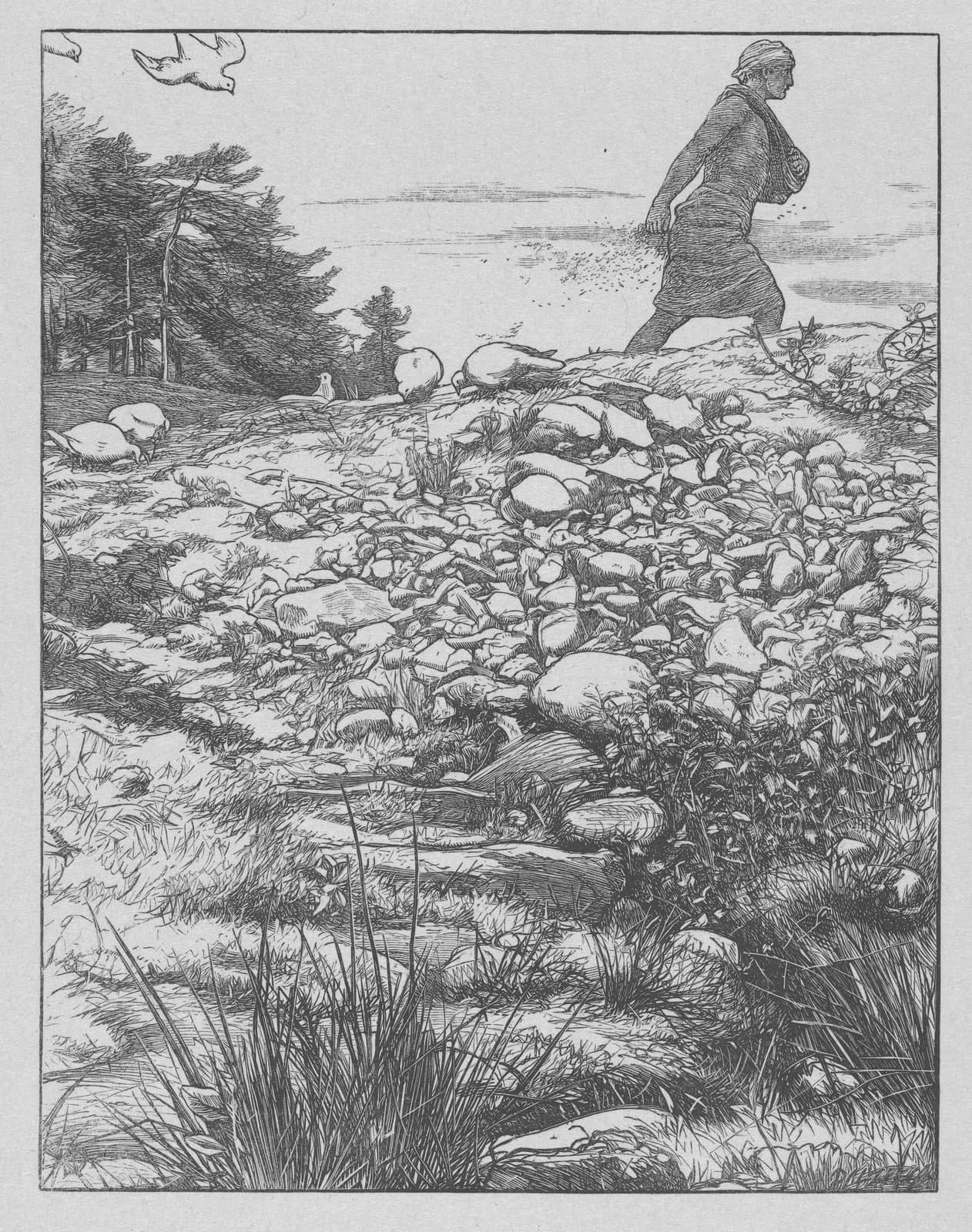
A sower scatters seed on rocky and thorny ground
Sir John Everett Millais (1829–1896), The Sower, from The Parables of Our Lord and Saviour Jesus Christ, 1864. Credits

Email view of this day