This day

June 12, 2028

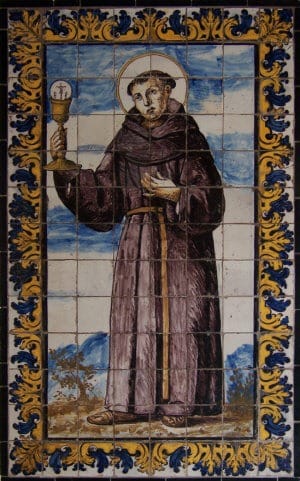
St John of Sahagún
San Juan de Sahagún, Anonymous, 17th century. Credits

After Pentecost

June 12, 2028

A Double leads the weekday.Rubric

June 12: St. John a S. Facundo or of Sahagun, Confessor

From Dom Guéranger’s The Liturgical Year.

THE kingdom which the apostles are commissioned to establish upon earth is a reign of peace. Such was the promise pledged by heaven to earth, on that glorious night wherein Emmanuel was given to us. And on that other night which witnessed our Lord’s last farewell at the Supper, did not the Man-God base the New Testament upon the double legacy which he bequeathed to his Church, of his sacred Body and Blood, and of this peace announced of yore by Bethlehem’s angels? A peace unknown till then here below; a peace all his own, because, as he said, it proceeds from him, but still is not himself; this gift substantial and divine is no other than the Holy Ghost in Person! Like to some sacred leaven, this peace has been spread amongst us during this time of Pentecost. Men and nations alike have felt the secret influence. Man, at strife with heaven and divided against himself, was indeed justly punished for his insubordination to God by the ascendancy of the senses in his revolted flesh; but he now sees harmony once again established in his own being, and his appeased God treating as a son the obstinate rebel of former days.

Monday after Trinity Sunday

From Dom Guéranger’s The Liturgical Year.

Having, by His divine light, increased the Church’s appreciation of the sovereign mystery of the august Trinity, the Holy Ghost next leads her to contemplate that other marvel, which concentrates in itself all the works of the Incarnate Word, and leads us, even in this present life, to union with God. The mystery of the holy Eucharist is going to be brought before us in all its magnificence; it behoves us therefore, to prepare the eyes of our soul for the worthy reception of the light which is so soon to dawn upon us. As, during the whole year, we have never lost sight of the mystery of the holy Trinity, and all our worship has unceasingly been offered to the Three divine Persons; so, in like manner, the blessed Eucharist has uninterruptedly accompanied us throughout the whole period of the liturgical year, either as the means for paying our homage to the infinite Majesty of God, or as the nourishment which sustains the supernatural life.

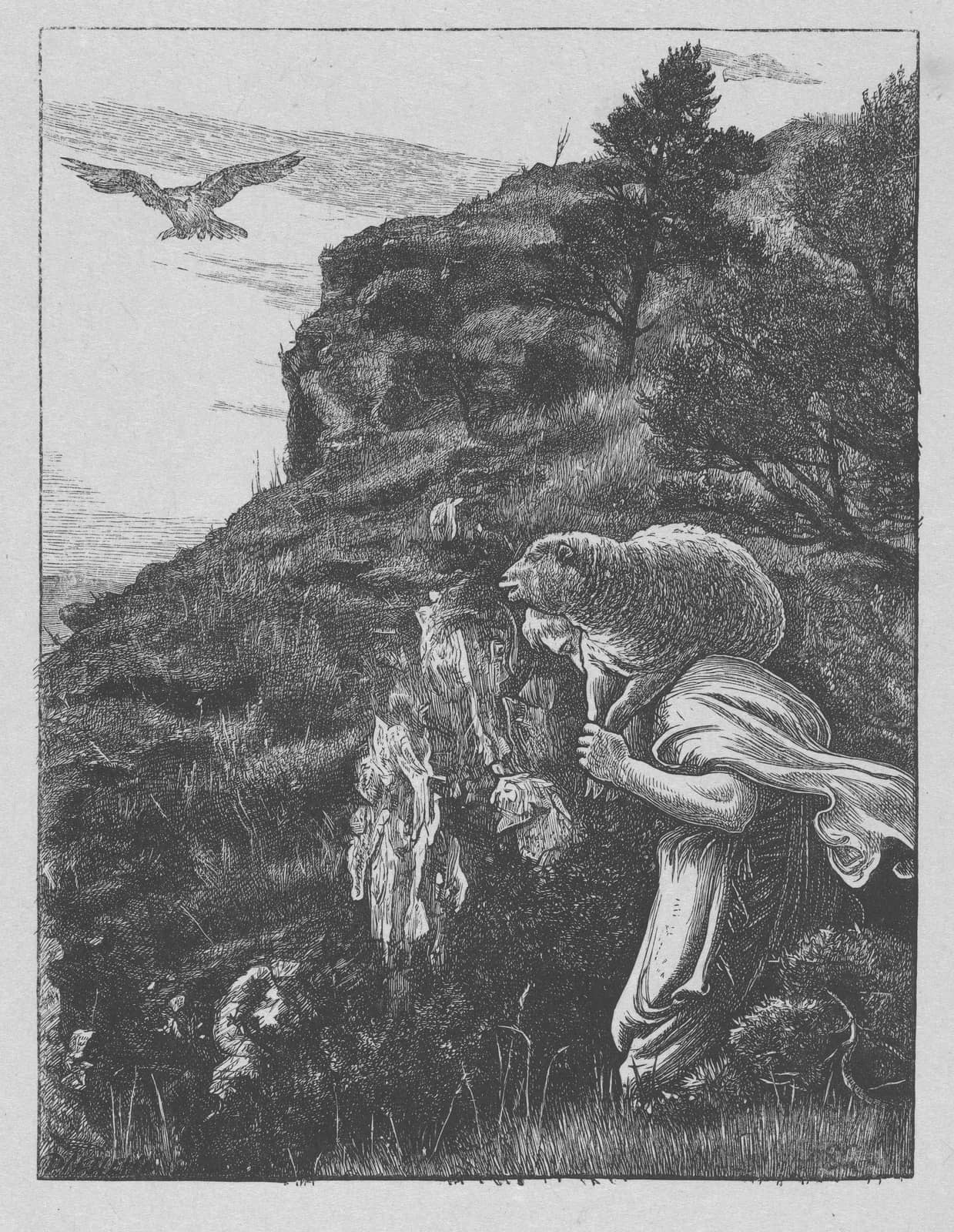
A shepherd carries the lost sheep
Sir John Everett Millais (1829–1896), The Lost Sheep, from The Parables of Our Lord and Saviour Jesus Christ, 1864. Credits

Email view of this day