This day

June 26, 2028

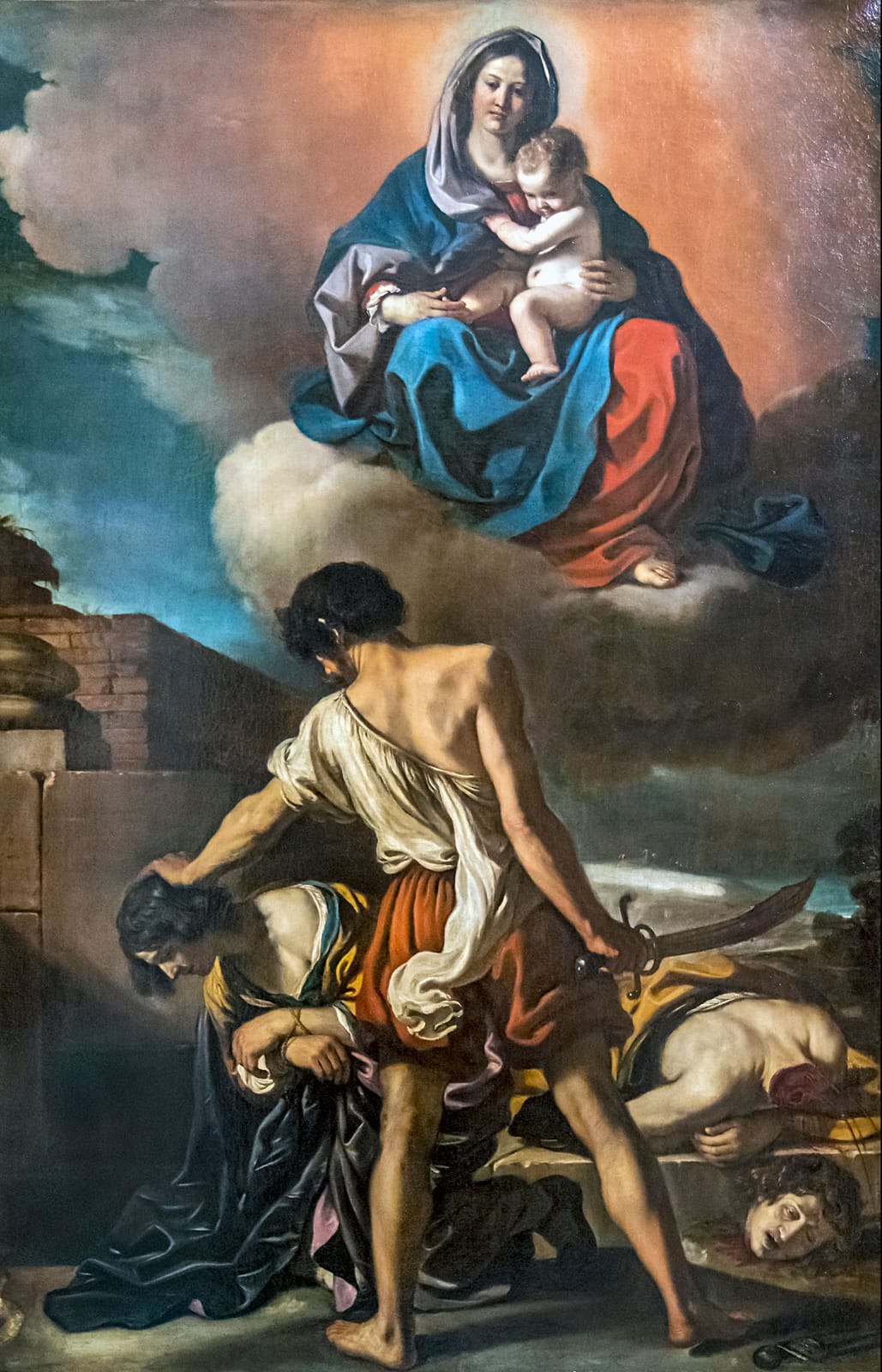
Martyrdom of Saints John and Paul
Martyrdom of Saints John and Paul, Guercino (1591–1666), 1632. Photo: Didier Descouens. Credits

After Pentecost

June 26, 2028

June 26: Sts. John and Paul, Martyrs

From Dom Guéranger’s The Liturgical Year.

AMIDST the numerous sanctuaries which adorn the capital of the Christian universe, the church of Saints John and Paul has remained from the early date of its origin one of the chief centres of Roman piety. From the summit of the Cœlian Hill it towers over the Coliseum, the dependencies of which stretch subterraneously even as far as the cellarage of the house once inhabited by our saints. They, the last of the martyrs, completed the glorious crown offered to Christ by Rome, the chosen seat of his power. The conflict in which their blood was spilt consummated the triumph whose hour was sounded under Constantine, but which an offensive retaliation on the part of hell seemed about to compromise.

No attack could be conceived more odious for the Church than that devised by the apostate Cæsar. Nero and Diocletian had violently and with hatred declared against the Incarnate God a war of sword and torture; and without recrimination, Christians by thousands had died, knowing that the testimony thus demanded was merely the order of things, just as it had been in the case of their august Head before Pontius Pilate and upon the cross.

This week's Sunday: The Third Sunday after Pentecost

From Dom Guéranger’s The Liturgical Year.

The faithful soul has now witnessed in the holy liturgy the close of the mysteries of our redemption. The Holy Ghost has come down to support her during this second portion of her career, by forming and developing within her the fullness of the Christian life as taught by her divine Saviour when on earth. He begins by teaching her how to pray. Prayer, said our Lord, must be continual: we ought always to pray, and not to faint. We know not what we should pray for as we ought; but the holy Spirit helpeth our infirmity, and Himself asketh for us with unspeakable groanings.

In the Introit and the whole Mass for this Sunday, we are taught that prayer must have, amongst its other requisite qualities, that of humble repentance for our past sins, and of confidence in God’s infinite mercy.

This is the Third Sunday after Pentecost; it is the first that has no rubrical connexion with the great feasts we have been solemnizing; it is a Sunday with all the simplicity of the Office of the Time.

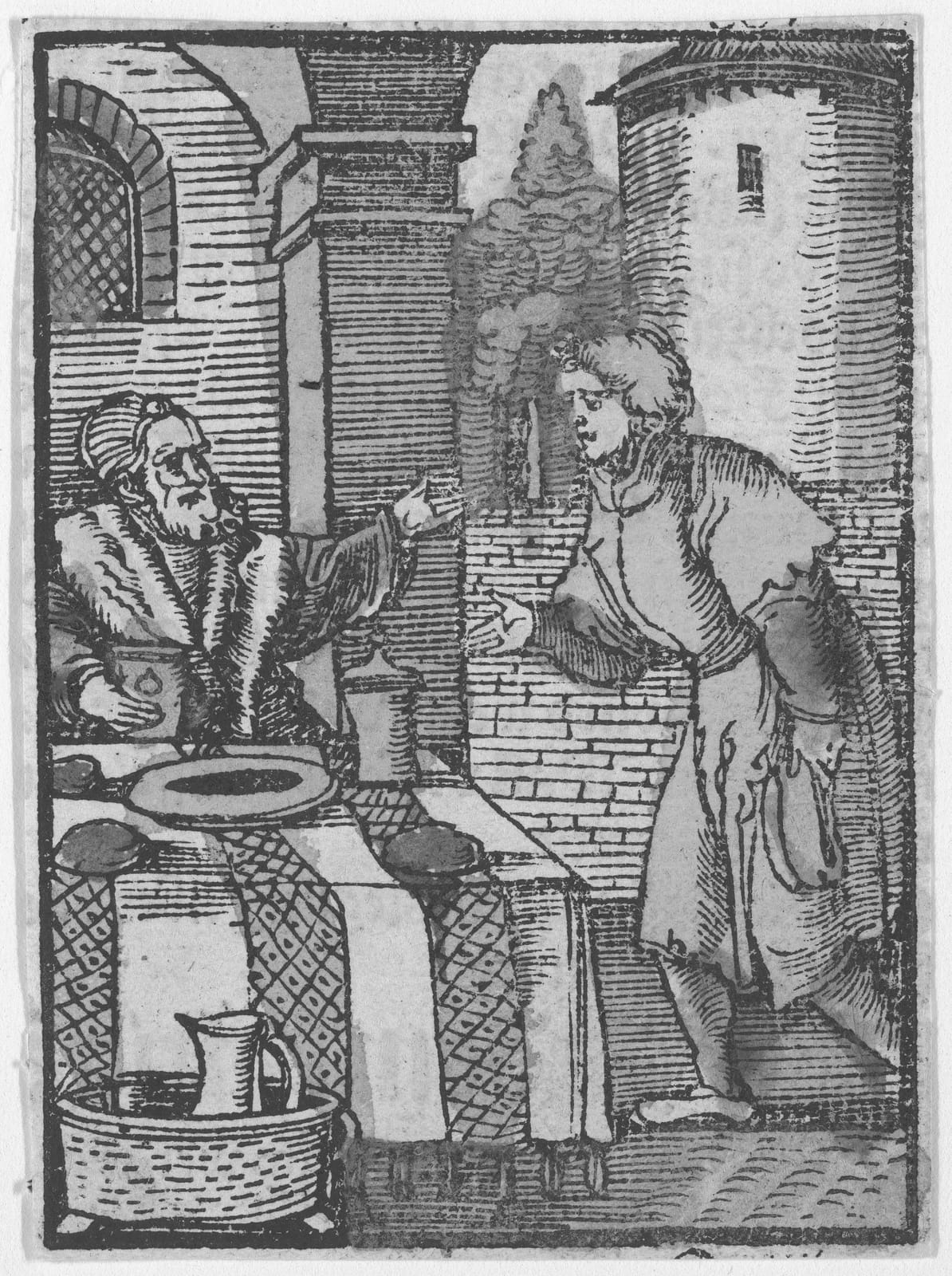
The parable of the banquet whose invited guests stayed away
Hans Schäufelein (1480–1540), The Parable of the Banquet without Guests, from Das Plenarium, 1517. Credits

Email view of this day