This day

August 15, 2028

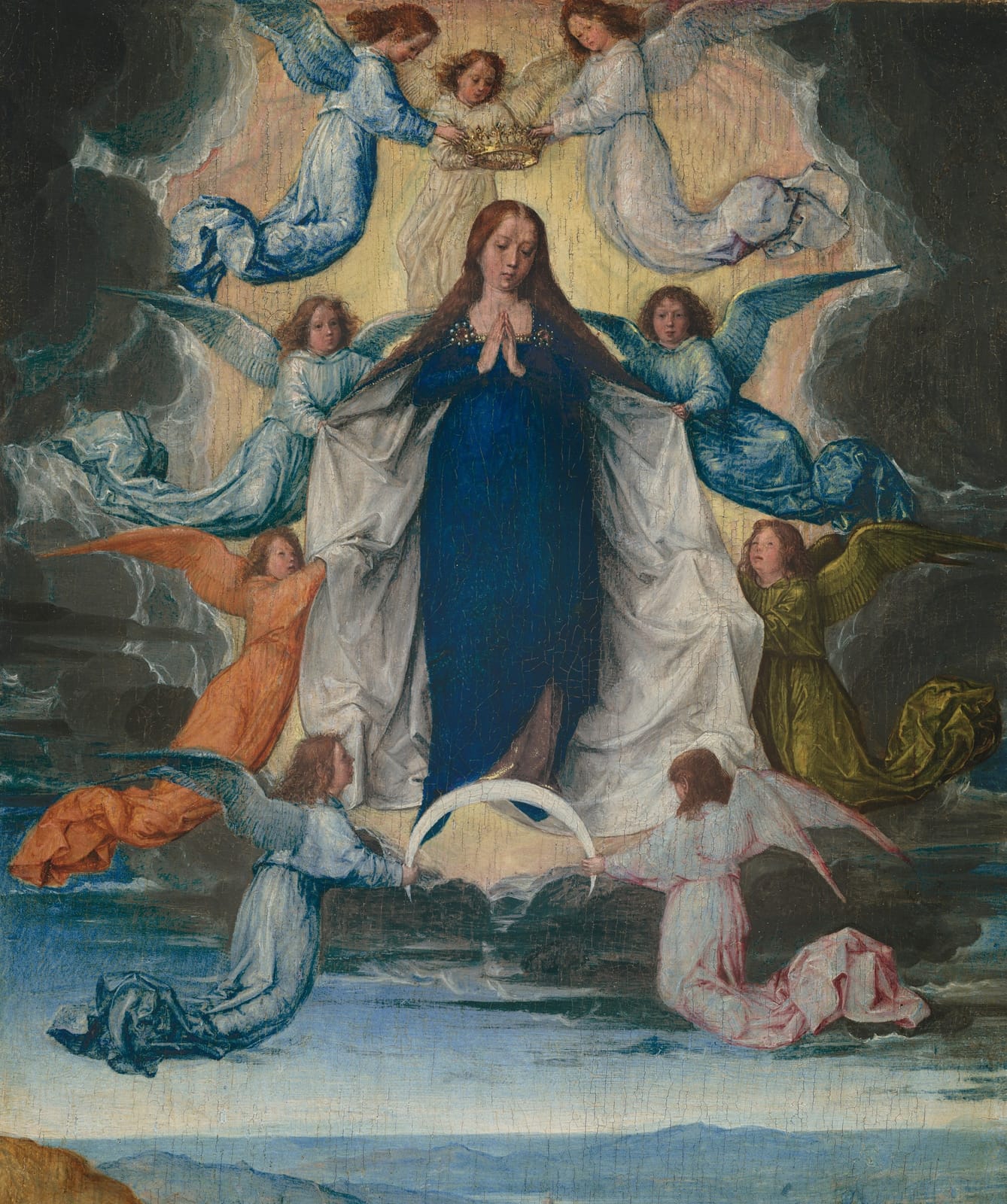
The Virgin Mary in a blue gown rising in prayer, borne by clothed angels who hold her mantle, a crown above her and a crescent moon beneath
The Assumption of the Virgin, Michel Sittow, c. 1500. Credits

After Pentecost

August 15, 2028

August 15: Assumption of the Most Blessed Virgin

From Dom Guéranger’s The Liturgical Year.

TO-DAY the Virgin Mary ascended to heaven; rejoice, for she reigns with Christ for ever.' The Church will close her chants on this glorious day with this sweet antiphon, which resumes the object of the feast and the spirit in which it should be celebrated.

No other solemnity breathes, like this one, at once triumph and peace; none better answers to the enthusiasm of the many and the serenity of souls consummated in love. Assuredly that was as great a triumph when our Lord, rising by His own power from the tomb, cast hell into dismay; but to our souls, so abruptly drawn from the abyss of sorrows on Golgotha, the suddenness of the victory caused a sort of stupor to mingle with the joy of that greatest of days. In presence of the prostrate angels, the hesitating apostles, the women seized with fear and trembling, one felt that the divine isolation of the Conqueror of death was perceptible even to His most intimate friends, and kept them, like Magdalen, at a distance.

Mary's death, however, leaves no impression but peace; that death had no other cause than love.

This week's Sunday: The Tenth Sunday after Pentecost

From Dom Guéranger’s The Liturgical Year.

The destruction of Jerusalem has closed that portion of the prophetic Scriptures which was based on the institutions and history of the figurative period. The altar of the true God, built by Solomon on the summit of Moriah, was the authentic evidence of the true religion, to those who were then living under the Law of expectation. Even after the promulgation of the new Testament, the continued existence of that altar (the only one heretofore recognized by the Most High as His own) was some sort of an excuse for such of the Jews as clung obstinately to the old order of things. That excuse was taken away when the temple was so destroyed as that not a stone was left on a stone; and the blindest partisans of the Mosaic system were compelled to acknowledge the total abrogation of a religion which was reduced by God Himself to the impossibility of ever offering the sacrifices essential to its existence.

The considerateness wherewith the Church had, so far, treated the Synagogue would henceforward be unmeaning.

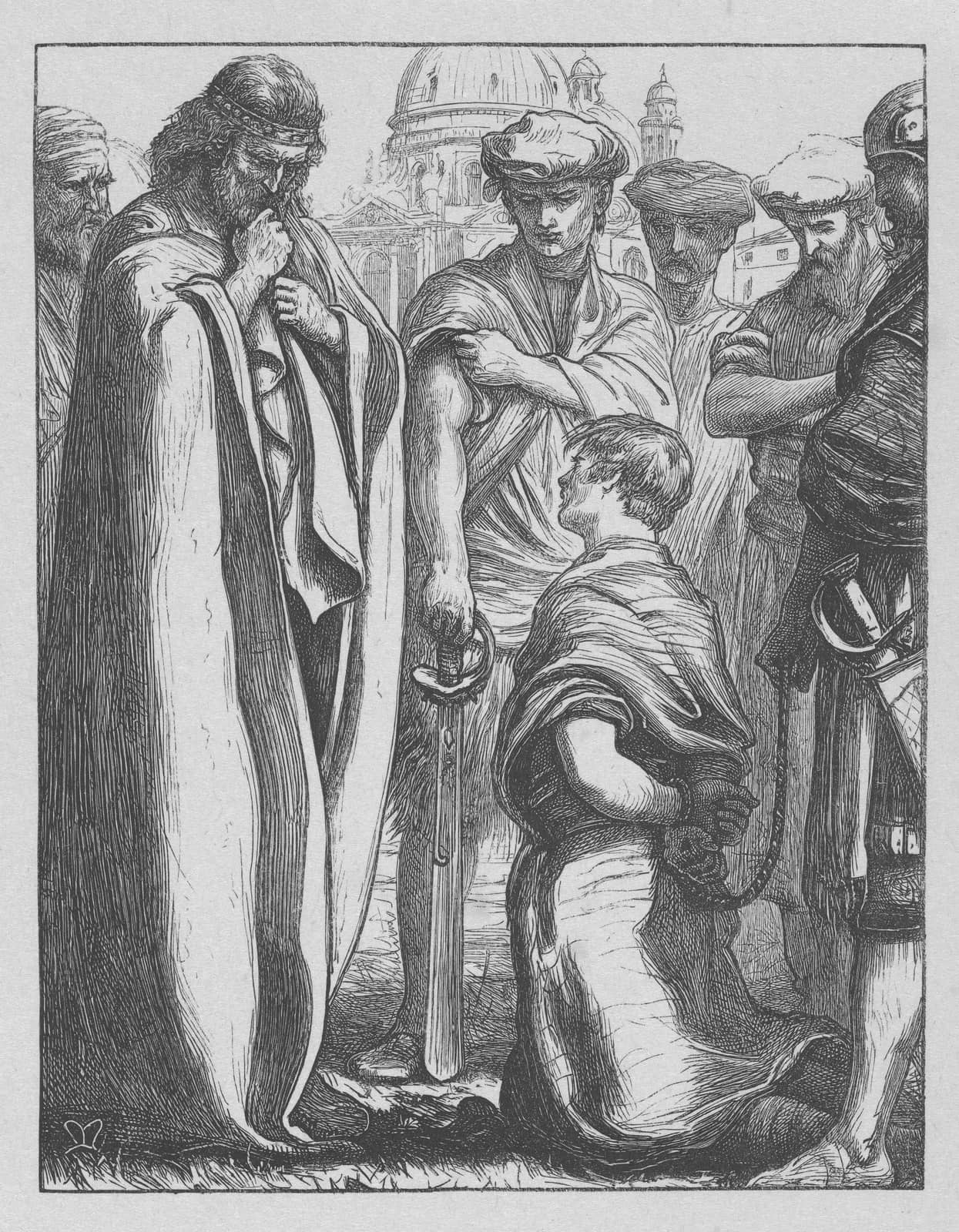
The parable of the unmerciful servant
Sir John Everett Millais (1829–1896), The Unmerciful Servant, from The Parables of Our Lord and Saviour Jesus Christ, 1864. Credits

Email view of this day