After Pentecost
August 21, 2028
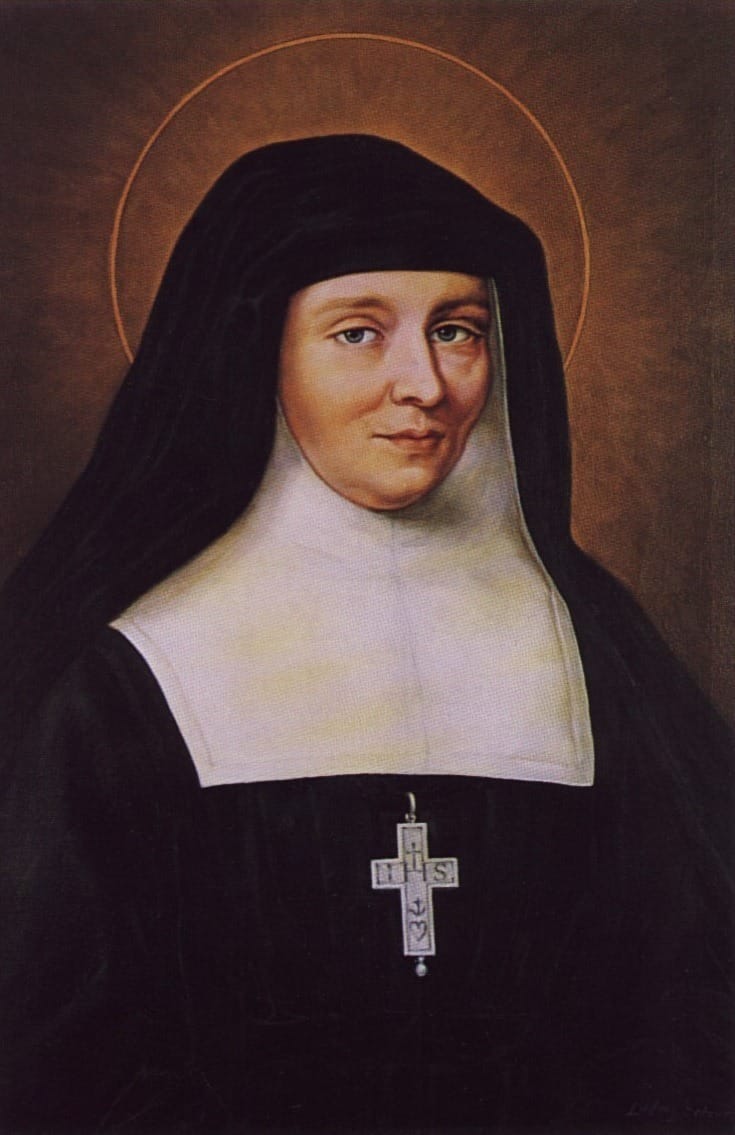
August 21: St. Jane Frances de Fremiot de Chantal, Widow
From Dom Guéranger’s The Liturgical Year.
ALTHOUGH Mary's glory is within her, beauty appears also in the garment wherewith she is clad: a mysterious robe woven of the virtues of the saints, who owe to her both their justice and their reward. As every grace comes to us through our Mother, so all the glory of heaven converges towards that of the Queen.
Now among the blessed souls there are some more immediately connected with the holy Virgin. Prevented by the peculiarly tender love of the Mother of grace, they left all things, when on earth, to run after the odour of the perfumes of the Spouse she gave to the world; in heaven they keep the greater intimacy with Mary which was theirs even in the time of exile. Hence it is, that at this time of her exaltation beside the Son of God, the Psalmist sings also of the virgins entering joyously with her into the temple of the King. The crowning of our Lady is truly the special feast of these daughters of Tyre, who have themselves become princesses and queens in order to form her noble escort and her royal court.