This day

August 26, 2028

After Pentecost

August 26, 2028

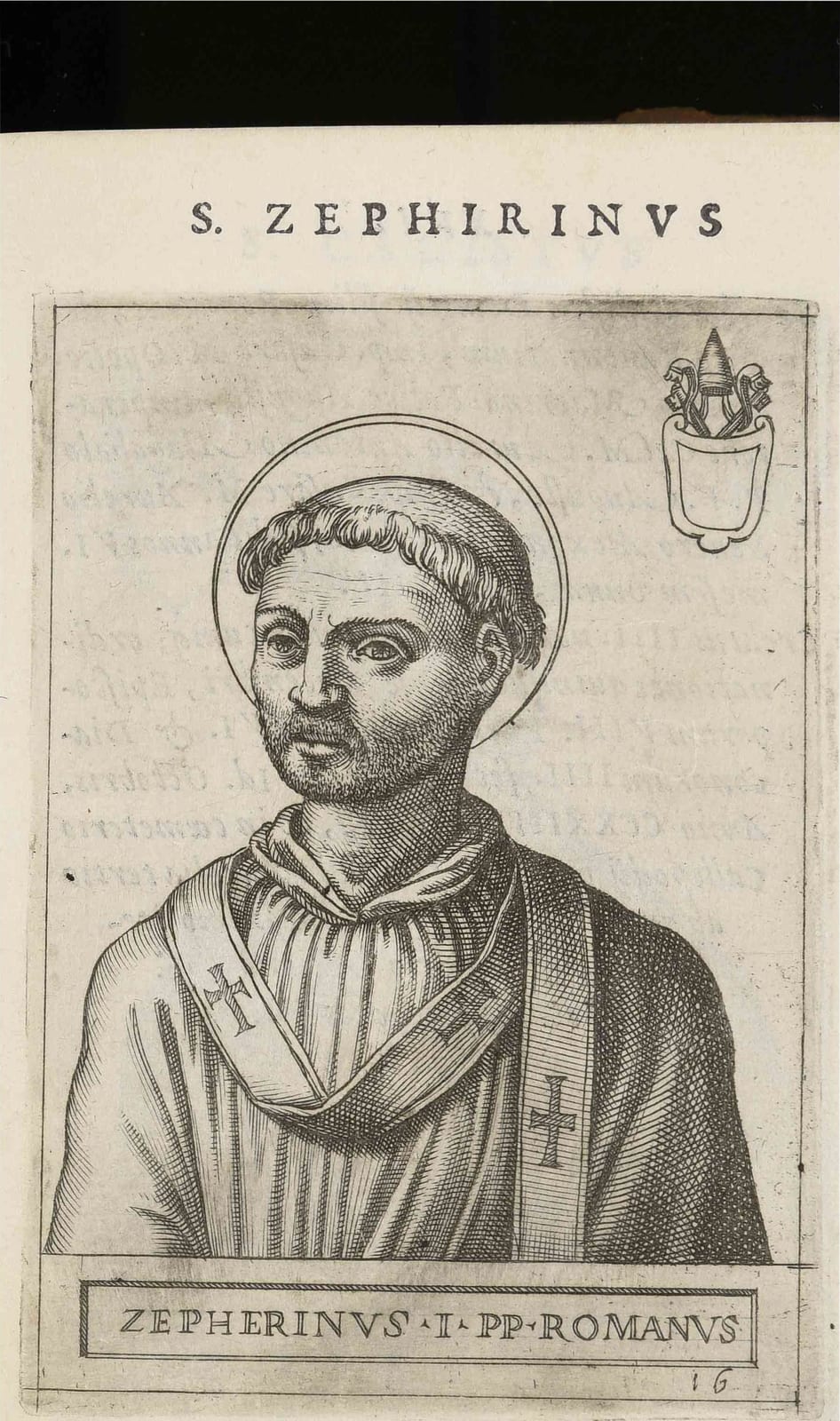
August 26: St. Zephyrinus, Pope and Martyr

From Dom Guéranger’s The Liturgical Year.

Zephyrinus was the first Pontiff to be buried in the celebrated crypt where the Popes of the third century came after their combat to sleep their last sleep. The catacomb which thus succeeded the Vatican cemetery in the honour of sheltering the vicars of Christ, had been opened thirty years before by the virgin martyr Cæcilia. As, when at the point of death, she had consecrated her palace into a church, so now from her tomb she caused her family burialplace to pass into the hands of the Church. This gift of the Cæcilii was the inauguration, in the very face of the pagan government, of common Church property officially recognized by the State. Zephyrinus entrusted the administration of the new cemetery to the person who ranked next to himself in the Roman Church, viz: the archdeacon Callixtus. The holy Pontiff witnessed the growth of heresy concerning the Unity of God and the Trinity of the divine Persons; without the help of the special vocabulary, which was later on to fix even the very terms of theological teaching, he knew how to silence both the Sabellians to whom the Trinity was but a name, and the precursors of Arms, who revenged themselves by reviling him.

This week's Sunday: The Eleventh Sunday after Pentecost

From Dom Guéranger’s The Liturgical Year.

With the Greeks, this Sunday—their eleventh of Saint Matthew—is called the Parable of the King, who calls his servants to account. In the western Church, it has gone under the name of Sunday of the deaf and dumb, ever since the Gospel of the pharisee and the publican has been assigned to the tenth. To-day's Mass, as we now have it, still gives evidence as to what was its ancient arrangement. Our commentary on to-day's liturgy will show us this very plainly.

In the years when Easter falls nearest to March 21 the Books of Kings are continued as lessons of Matins up to, but never beyond, this Sunday. The sickness of the good king Ezechias, and the miraculous cure he obtained by his prayers and tears, are then the subject of the first lessons of the night-Office.

The learned and pious Abbot Rupert, writing on this Sunday's Mass previous to the change made in the order of the Gospel lessons, thus explains the Church's reason for selecting the following Introit: ‘The publican in the Gospel accuses himself, saying: “I am not worthy to lift up mine eyes to heaven.”

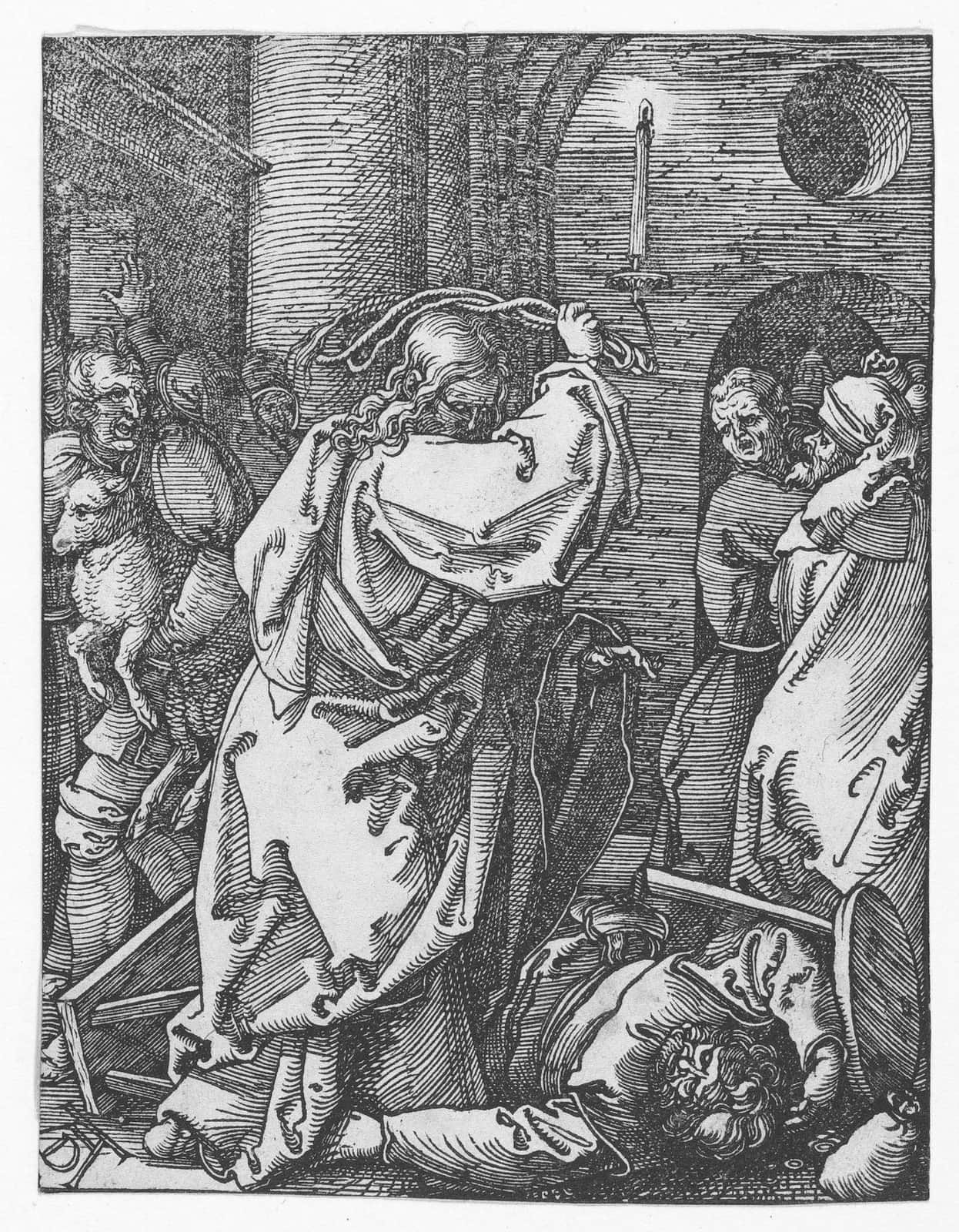
Christ driving the money-changers from the Temple
Albrecht Dürer (1471–1528), Christ Expelling the Money Lenders, from The Small Passion, ca. 1508. Credits

Email view of this day