This day

September 5, 2028

After Pentecost

September 5, 2028

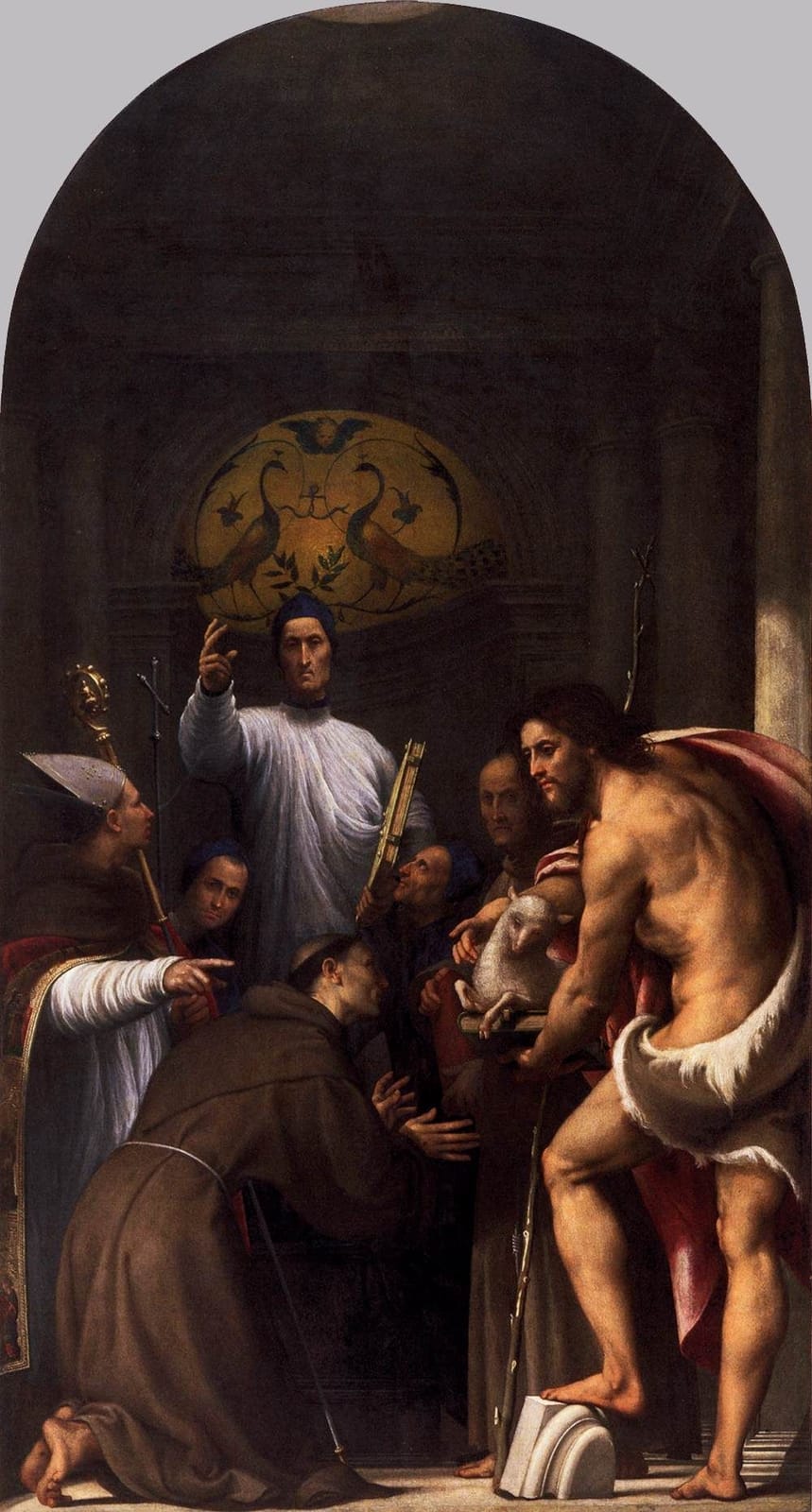
September 5: St. Laurence Justinian, Bishop and Confessor

From Dom Guéranger’s The Liturgical Year.

Come, all ye who are drawn by the desire of unchangeable good, and who seek it in vain in this passing world; I will tell you what heaven has done for me. Like you, I once sought with feverish eagerness; and this exterior world could not satisfy my burning desire. But, by the divine grace, which fed my anguish, at length she, whose name I then knew not, appeared to me, more beautiful than the sun, sweeter than balm. As she approached, how gentle was her countenance, how peace-inspiring her voice, saying to me: “O thou, whose youth is all full of the love wherewith I inspire thee, why dost thou thus pour out thy heart? The peace thou seekest by so many different ways, is with me; thy desire shall be amply fulfilled, I promise thee, if only thou wilt take me for thy bride.” I acknowledge that at these words my heart failed, my soul was all pierced with the dart of her love. As I wished to know her name, her dignity, her origin, she told me she was called the Wisdom of God; and that, at first invisible in the bosom of the Father, she had taken of a mother a visible nature, in order to be more easily loved.

This week's Sunday: The Thirteenth Sunday after Pentecost

From Dom Guéranger’s The Liturgical Year.

The dominical series—which formerly counted from the feast of Saint Peter, or of the apostles—never went beyond this Sunday. The feast of Saint Laurence gave its name to those which follow; though that name began with even the ninth Sunday, for the years when Easter was further from the Spring equinox. And when that solemnity was kept at its latest date, the weeks began from to-day to be counted as the weeks of the seventh month (September).

The Ember-days of the autumn quarter sometimes occur even this week; whilst, other years, they may be as late as the eighteenth. We will speak of them when we come to the seventeenth Sunday, for it is in the week following that, that the Roman missal inserts them.

In the western Church, the thirteenth Sunday takes its name from the Gospel of the ten lepers, which is read in the Mass; the Greeks, who count it as the thirteenth of Saint Matthew, read on it the parable of the vineyard, whose labourers, though called at different hours of the day, all receive the same pay.

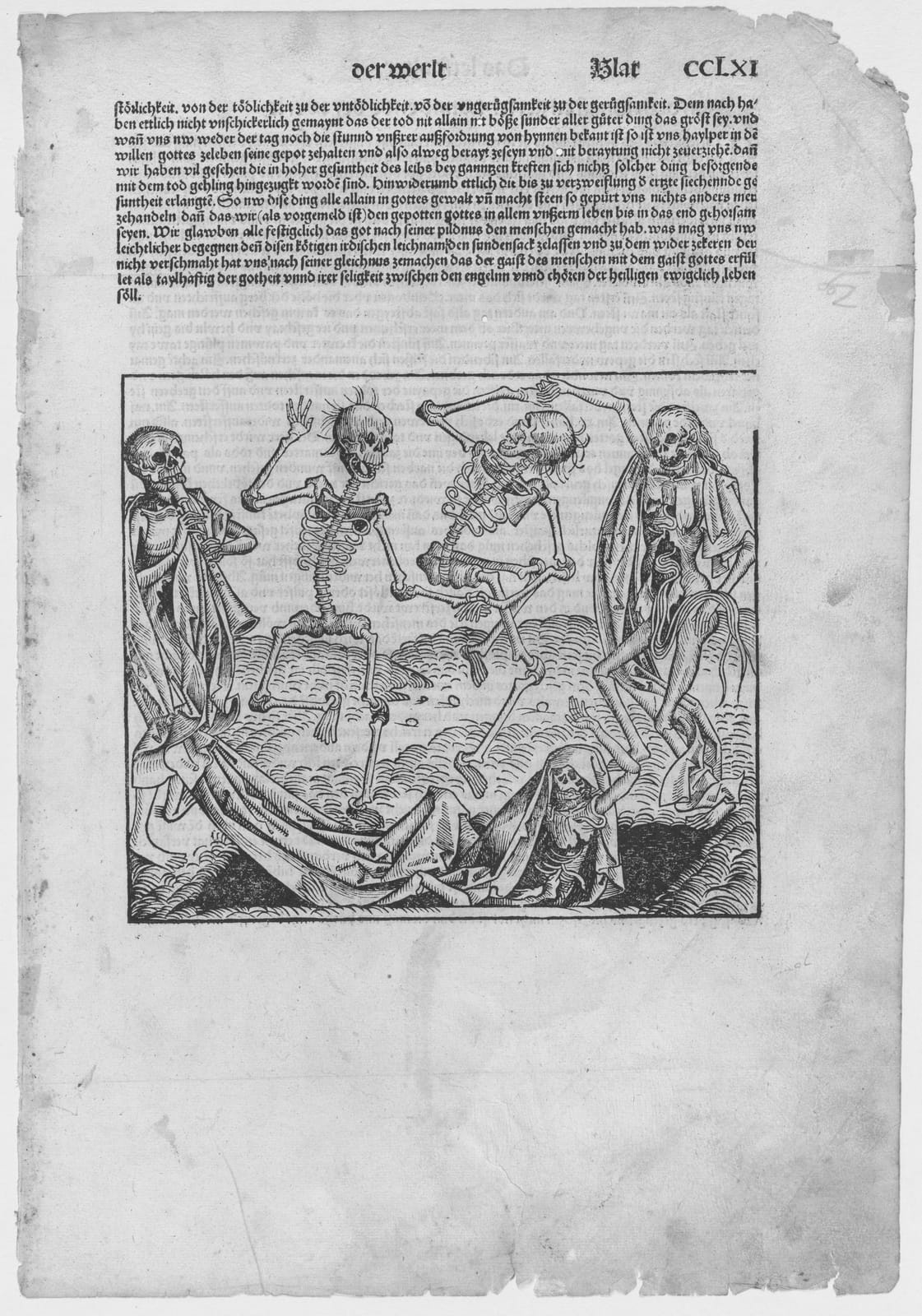
The dance of death, a leaf from the Nuremberg Chronicle
Michael Wolgemut (1434–1519), Dance of Death, from The Nuremberg Chronicle, 1493. Credits

Email view of this day