This day

September 15, 2028

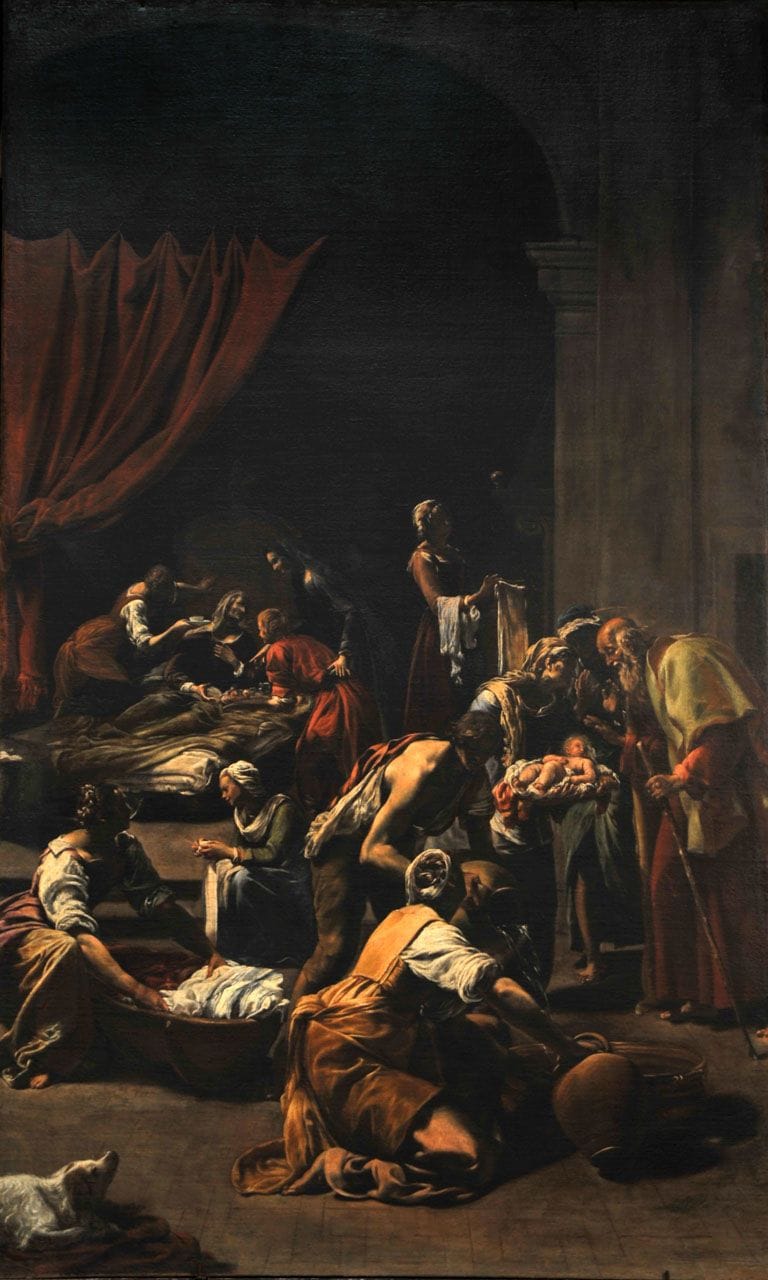
The Nativity of the Virgin
The Nativity of the Virgin, Orazio Borgianni (1574–1616), 1608–1616. Credits

After Pentecost

September 15, 2028

A Double leads; St. Nicomedes is commemorated.Rubric

September 15: The Octave Day of the Nativity of the Blessed Virgin

From Dom Guéranger’s The Liturgical Year.

‘Praise and glory be to thee, O holy Trinity, who hast brought us all to this day’s solemnity. Praise be to thee also, O holy Mother of God, sceptre of the orthodox faith: through thee the cross triumphs, and man is called back to heaven; through thee the idols are overthrown, and the nations are brought to repentance.’ Such words as these, which the Church borrows from her doctors to close the bright octave, were doubtless sung in prophecy by the angels around the new-born babe Mary. And such, in the light of the ages since elapsed, must needs be our answer to the question so often repeated at the cradle side: What shall this child be?

The doctrine lately laid down so magisterially by the infallible successor of St. Peter, is this: Since the days of her mortal life, when Mary was, even in this world, truly the Mother of the Church, the Queen of the apostles and their mistress with regard to the divine oracles; but especially since she has received in heaven an almost infinite power for dispensing the fruits of redemption: the mighty helper of the Christian people, the restorer of the world, has not ceased to prove herself the impregnable rampart of the Church, the solid foundation of the faith, the fountain springing from God, whence the rivers of divine Wisdom pour out their pure waters, sweeping away heresy from all places.
Chapter 6: On Holy Communion during the Time after Pentecost

From Dom Guéranger’s The Liturgical Year.

If, in the early stages of the liturgical year, in Advent, at Christmas, and during the periods of Septuagesima and Lent, when there was question of nothing beyond a preparation for the divine mysteries which wrought our salvation—if, in the name of holy Church, we then invited the faithful to have recourse to the sacrament of our Lord’s Body, as being the heavenly nourishment that would support them in the glorious career on which they had entered; now that the work is done, that they have risen again with their Redeemer, that they have followed Him, by their desires and their hopes, even to the very summit of heaven—now that the Holy Ghost has come down upon this earth, that He might complete within them the work of their union with God, surely, nothing could profit them more than that they nourish themselves, and even more frequently than before, with the Bread of life, which came from heaven, that He might give life to the world.

From our first entrance into the new season, which we are now passing through, holy Church has, by the great feast of Corpus Christi, brought us face to face with the august mystery, which is both the sacrifice whereby God receives the honour due to Him, and the sacrament containing within itself the nourishment of our souls.

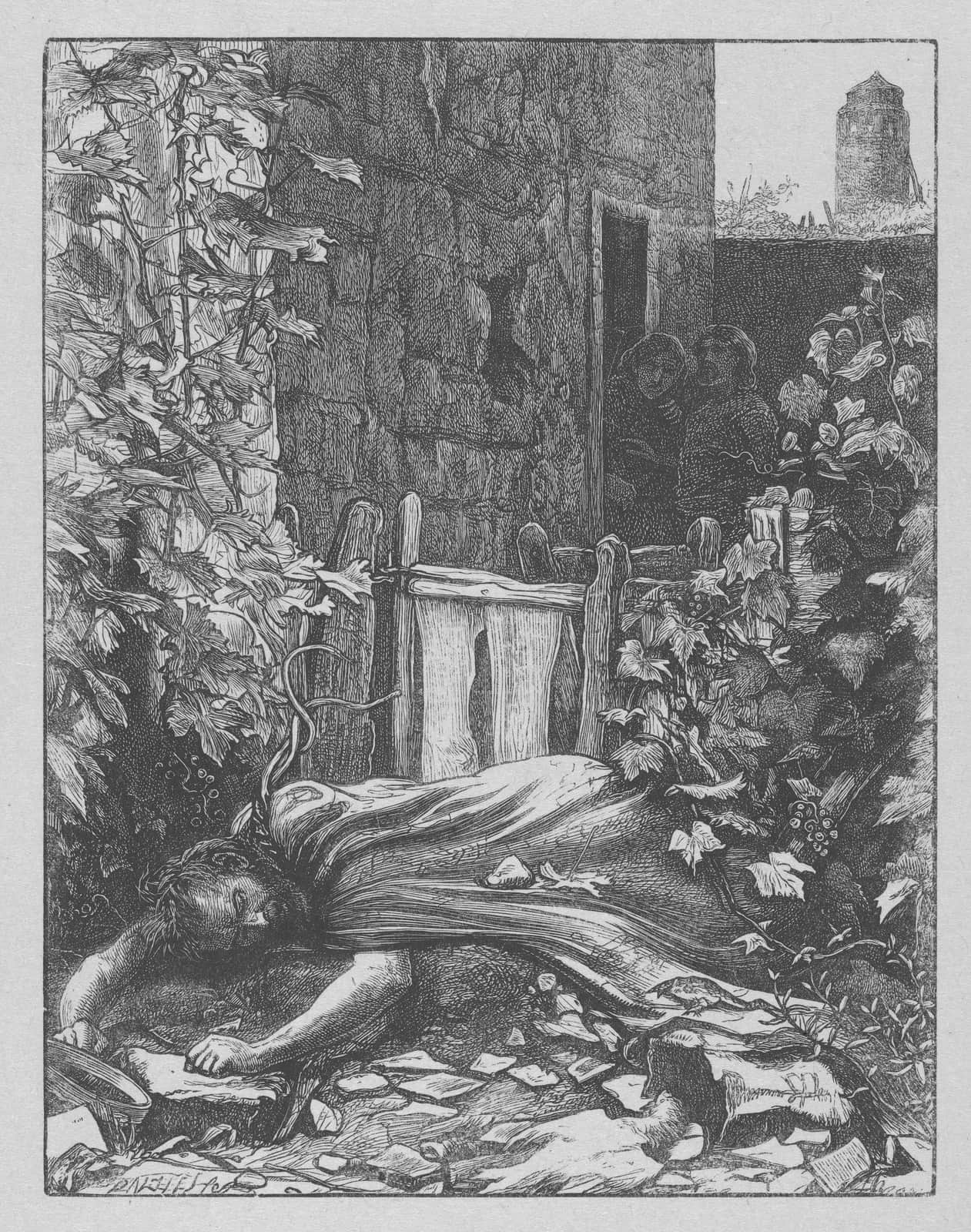
The parable of the wicked husbandmen
Sir John Everett Millais (1829–1896), The Wicked Husbandmen, from The Parables of Our Lord and Saviour Jesus Christ, 1864. Credits

Email view of this day