This day

September 18, 2028

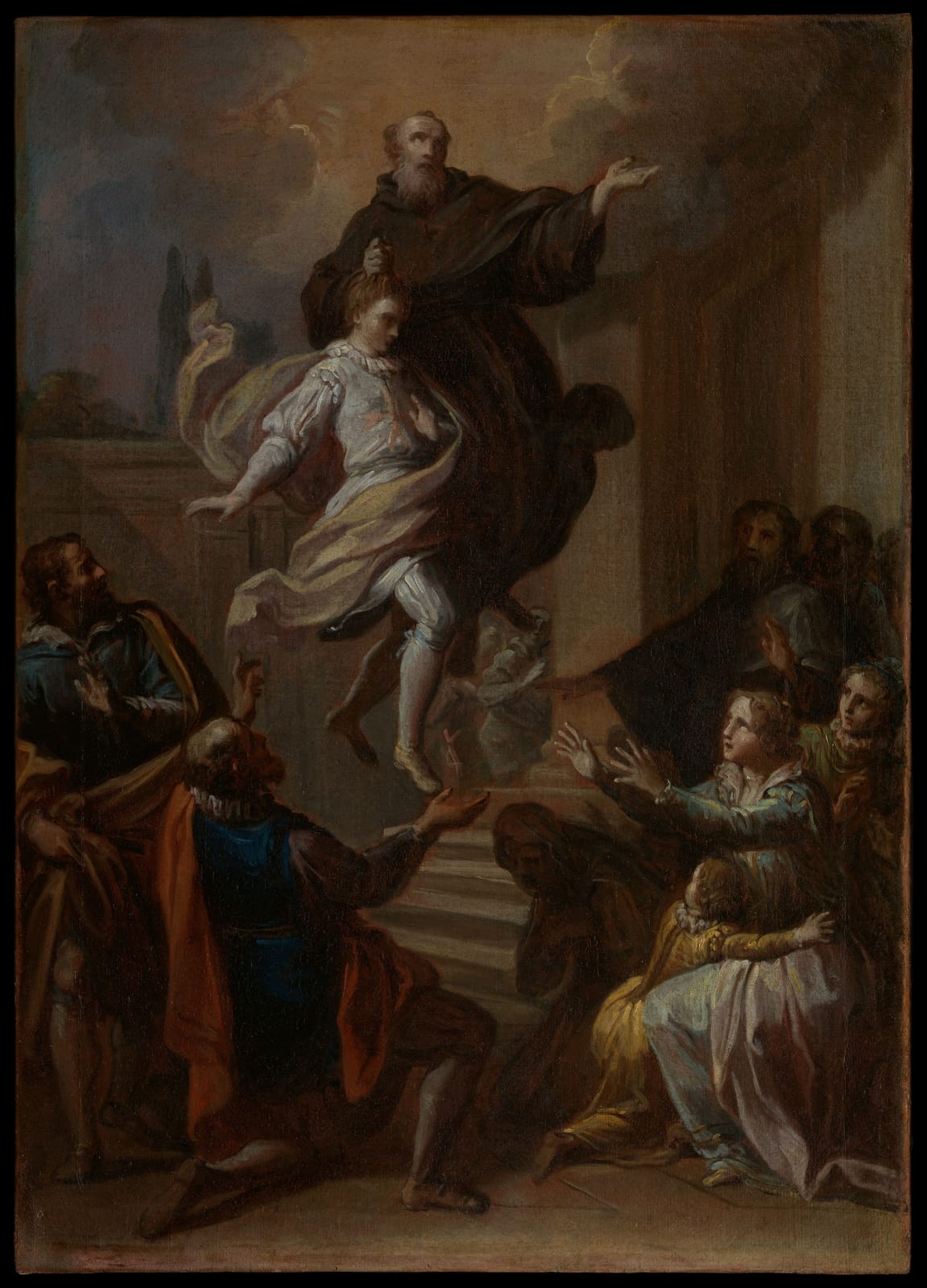
A Miracle of Saint Joseph of Cupertino
A Miracle of Saint Joseph of Cupertino, Placido Costanzi (1702–1759), 1750. Credits

After Pentecost

September 18, 2028

September 18: St. Joseph of Cupertino, Confessor

From Dom Guéranger’s The Liturgical Year.

While, in France, the rising spirit of Jansenism was driving God from the hearts of the people, a humble son of St. Francis, in southern Italy, was showing how easily love may span the distance between earth and heaven. ‘And I, if I be lifted up from the earth, will draw all things to Myself,’ said our Lord; and time has proved it to be the most universal of His prophecies. On the feast of the holy cross, we witnessed its truth, even in the domain of social and political claims. We shall experience it in our very bodies on the great day, when we shall be taken up in the clouds to meet Christ, into the air. But Joseph of Cupertino had experience of it without waiting for the resurrection: innumerable witnesses have borne testimony to his life of continual ecstasies, wherein he was frequently seen raised high in the air. And these facts took place in what men are pleased to call the noonday of history.

Josephus a Cupertino, oppido in Salentinis diœcesis Neritonensis, anno reparatæ salutis millesimo sexcentesimo tertio, piis ibidem parentibus ortus, Deique amore præventus, pueritiam atque adolcscentiam summa cum simplicitate morumque innocentia transegit.

This week's Sunday: The Fifteenth Sunday after Pentecost

From Dom Guéranger’s The Liturgical Year.

The Introit for this Sunday, which now goes under the name of the Sunday of the widow of Naim, because of the Gospel read on it, gives us a sample of the prayers we should address to our Lord in our necessities. Last Sunday we heard our Jesus promising to provide for all our wants, on the condition that we would serve Him faithfully, by seeking His kingdom. When we present our petitions to Him, let us show Him the confidence He so well deserves from us; and we shall be graciously heard.

Incline thine ear, O Lord, unto me, and hear me: save thy servant, O my God, who hopeth in thee; have mercy on me, O Lord, for I have cried to thee all the day.

Ps. Give joy to the soul of thy servant: for to thee, O Lord, have I lifted up my soul. Glory, etc. Incline.

The humility wherewith our holy mother the Church presents her supplications to God should serve as a model to us. If the bride herself thus treats with God, what ought not to be our sentiments of lowliness, when we appear in the presence of sovereign Majesty?

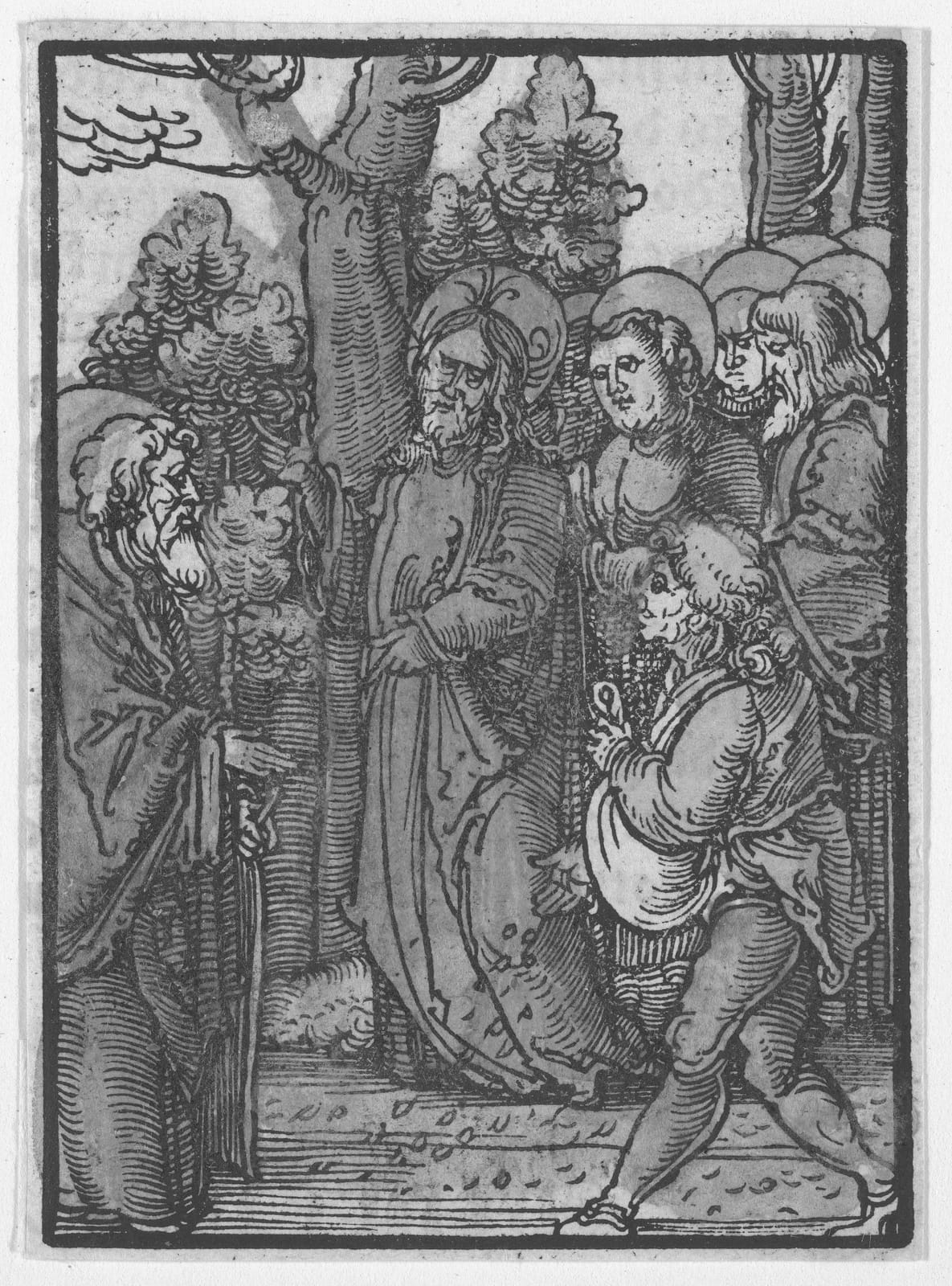
The parable of the wheat and the weeds
Hans Schäufelein (1480–1540), The Parable of the Sower and the Weeds, from Das Plenarium, 1517. Credits

Email view of this day