This day

October 10, 2028

After Pentecost

October 10, 2028

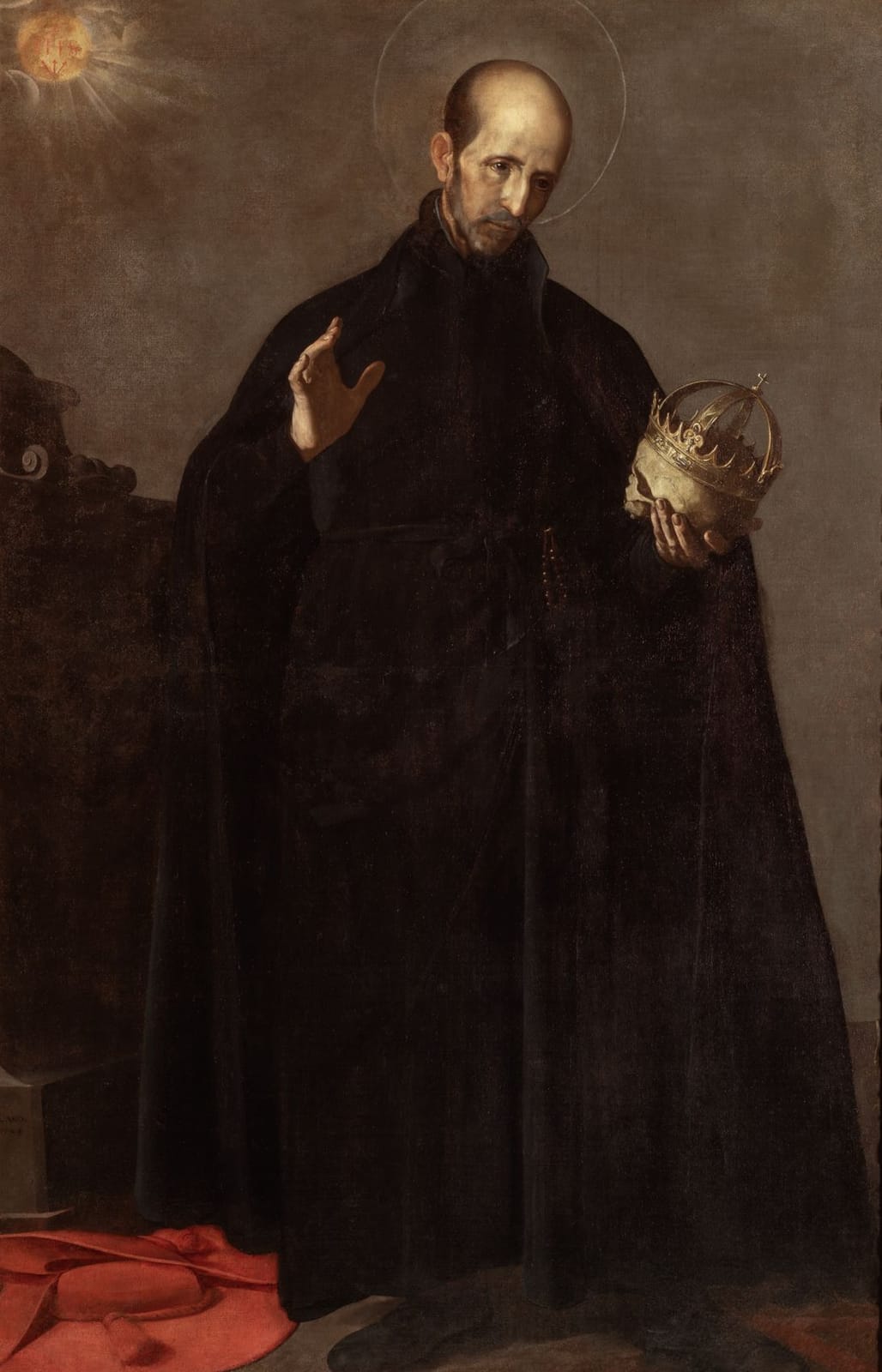
October 10: St. Francis Borgia, Confessor

From Dom Guéranger’s The Liturgical Year.

Vanity of vanities and all is vanity. No argument was needed to impress this truth upon the saint of to-day, when the coffin was opened which contained all that Spain had admired of youth and loveliness, and death suddenly revealed to him its awful reality. O ye beauties of all times, death alone never dies; it invites itself to your dances and pleasures, it assists at all your triumphs, it hears promises said to be eternal: and how quickly it can scatter your adorers! A few years, a few days, perhaps even less, and all your borrowed sweetness will be decaying in the tomb!

‘Enough of vain phantoms; enough of serving mortal kings; awaken, O my soul!’ Such was Francis Borgia’s reply to the teachings of death. The friend of Charles V, the great lord unequalled for nobility, fortune, and brilliant qualities, quitted the court as soon as possible. Ignatius, the soldier of the siege of Pampeluna, beheld at his feet the viceroy of Catalonia, begging to be protected against the honours which pursued him even under the poor habit of a Jesuit, which was now his glory.

This week's Sunday: The Eighteenth Sunday after Pentecost

From Dom Guéranger’s The Liturgical Year.

The paralytic carrying his bed is the subject of this day’s Gospel, and gives the eighteenth Sunday after Pentecost its title. This Sunday is inserted in the missal immediately after the Ember-days of autumn. We will not, like the liturgists of the Middle Ages, discuss the question of its having taken the place of the vacant Sunday, which formerly used always to follow the ordination of the sacred ministers, in the manner we have elsewhere described. Manuscript sacramentaries and lectionaries of very ancient date give it the name, which was so much in use, of Dominica vacat. Whatever may be the conclusion arrived at, there is one interesting point for consideration, viz., that in the Mass of this day the order of the lessons taken from St. Paul is broken. The Letter to the Ephesians, which has furnished the Epistles since the sixth Sunday after Pentecost, is to-day interrupted, and in its stead we have some verses from the first Epistle to the Corinthians, wherein the apostle gives thanks to God for the manifold gratuitous gifts granted, in Christ Jesus, to the Church.

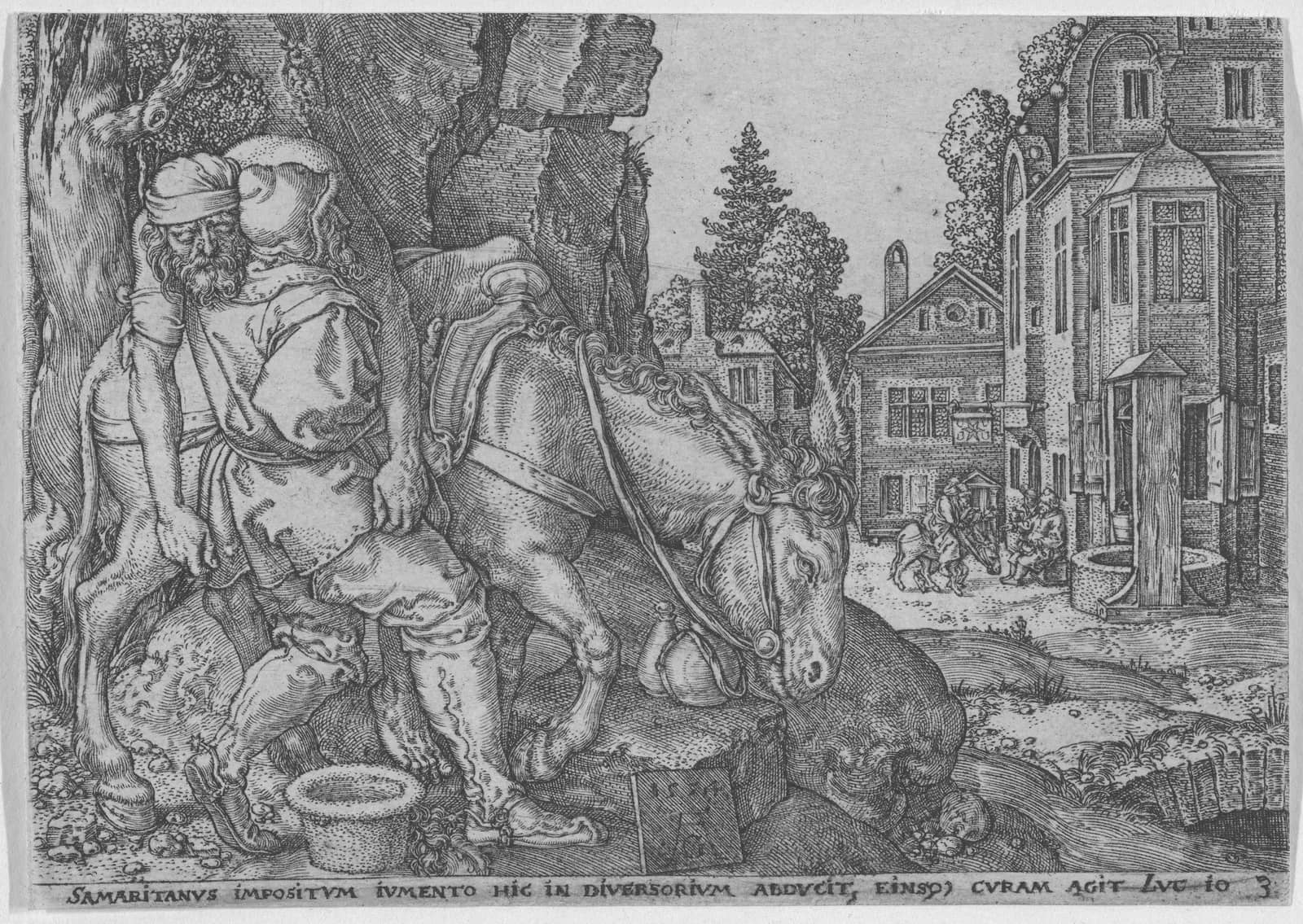
The Good Samaritan helping the wounded traveler onto his beast
Heinrich Aldegrever (1502–1561), The Good Samaritan Putting the Traveller on His Donkey, from "The Parable of the Good Samaritan", 1554. Credits

Email view of this day