This day

October 13, 2028

After Pentecost

October 13, 2028

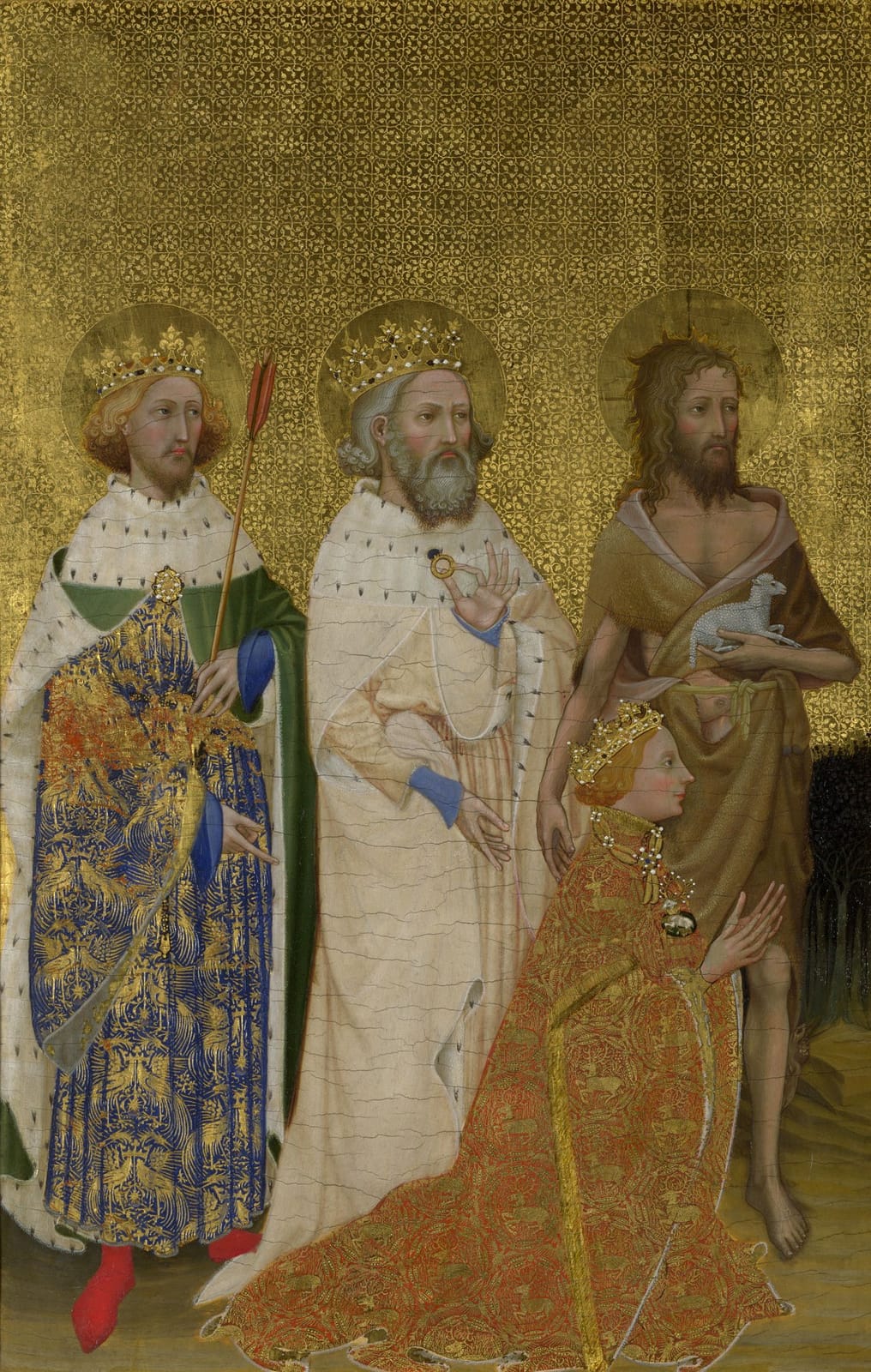
October 13: St. Edward the Confessor, King of England

From Dom Guéranger’s The Liturgical Year.

This glorious saint was like a beautiful lily, crowning the ancient branch of the kings of Wessex. The times had progressed since that sixth century, when the pagan Cerdic and other pirate chiefs from the North Sea scattered with ruins the island of saints. Having accomplished their mission of wrath, the Anglo-Saxons became instruments of grace to the land they had conquered. Evangelized by Rome, even as the Britons they had just chastised, they remembered, better than the latter, whence their salvation had come; a spring-tide blossoming of sanctity showed the pleasure God took once more in Albion, for the constant fidelity of the princes and people of the heptarchy towards the See of Peter. In the year of our Lord 800, Egbert, a descendant of Cerdic, had gone on pilgrimage to Rome, when a deputation from the West Saxons offered him the crown, beside the tomb of the Prince of the apostles, at whose feet Charlemagne, at that very time, was restoring the empire. As Egbert united under one sceptre the power of the seven kingdoms, so Saint Edward, his last descendant, represents to-day in his own person the glorious holiness of them all.

This week's Sunday: The Eighteenth Sunday after Pentecost

From Dom Guéranger’s The Liturgical Year.

The paralytic carrying his bed is the subject of this day’s Gospel, and gives the eighteenth Sunday after Pentecost its title. This Sunday is inserted in the missal immediately after the Ember-days of autumn. We will not, like the liturgists of the Middle Ages, discuss the question of its having taken the place of the vacant Sunday, which formerly used always to follow the ordination of the sacred ministers, in the manner we have elsewhere described. Manuscript sacramentaries and lectionaries of very ancient date give it the name, which was so much in use, of Dominica vacat. Whatever may be the conclusion arrived at, there is one interesting point for consideration, viz., that in the Mass of this day the order of the lessons taken from St. Paul is broken. The Letter to the Ephesians, which has furnished the Epistles since the sixth Sunday after Pentecost, is to-day interrupted, and in its stead we have some verses from the first Epistle to the Corinthians, wherein the apostle gives thanks to God for the manifold gratuitous gifts granted, in Christ Jesus, to the Church.

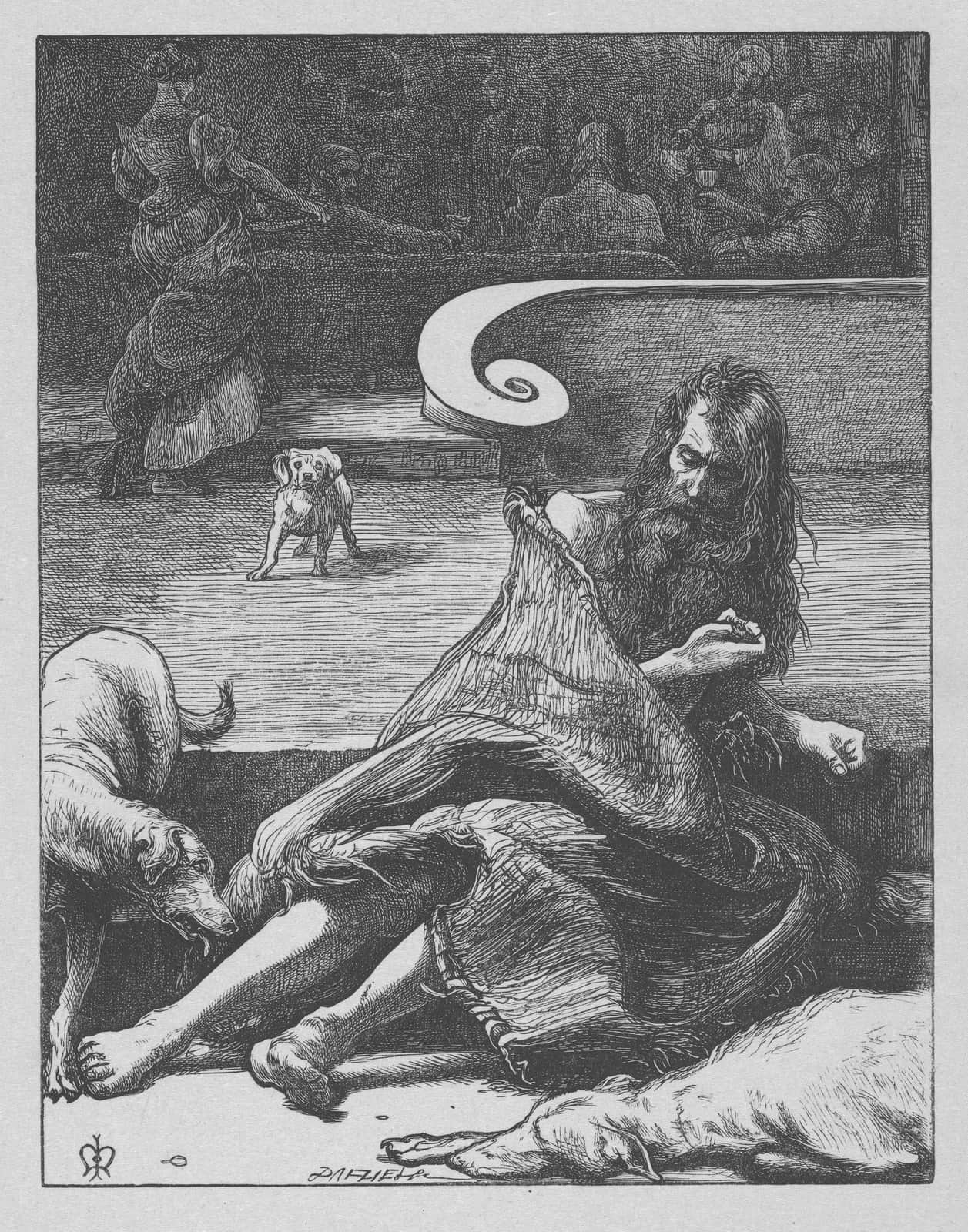
The rich man and Lazarus
Sir John Everett Millais (1829–1896), The Rich Man and Lazarus, from The Parables of Our Lord and Saviour Jesus Christ, 1864. Credits

Email view of this day