This day

November 2, 2028

After Pentecost

November 2, 2028

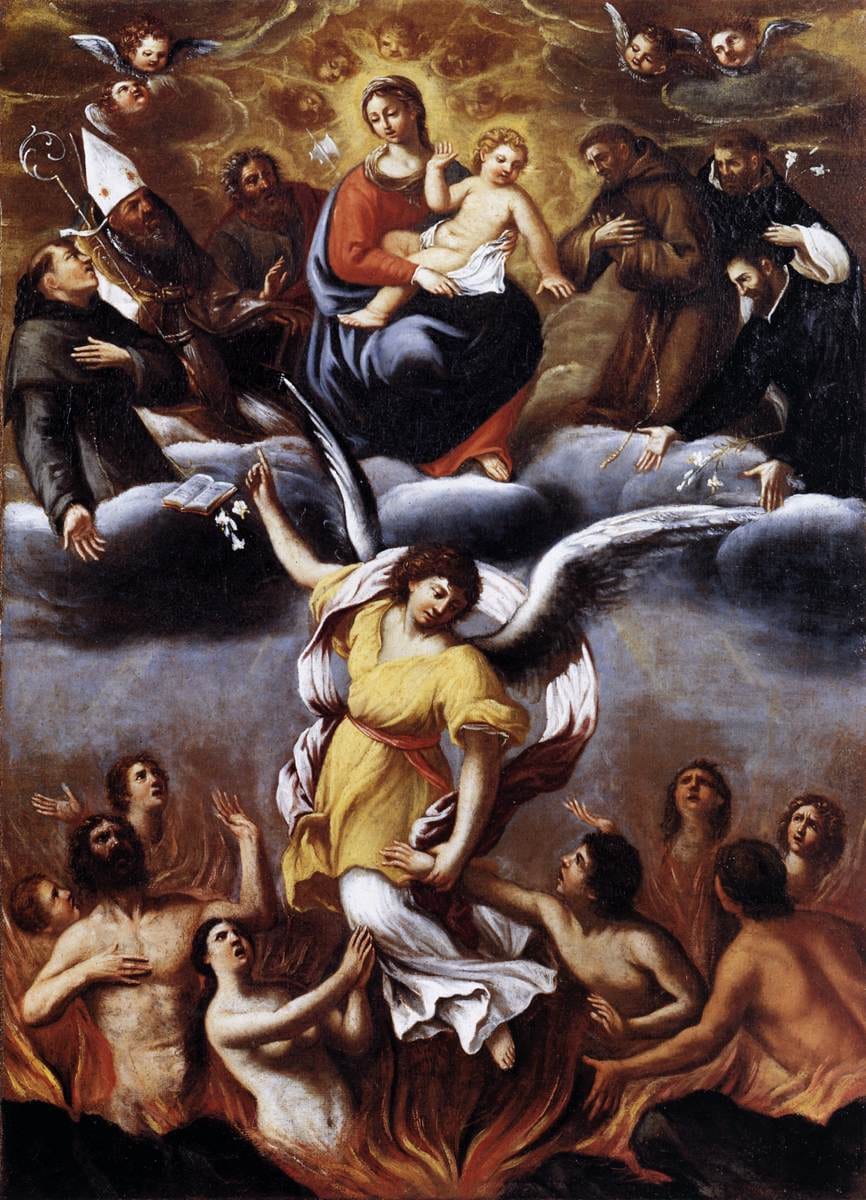
November 2: All Souls' Day

From Dom Guéranger’s The Liturgical Year.

We will not have you ignorant, brethren, concerning them that are asleep, that you be not sorrowful, even as others who have no hope. The Church today has the same desire as the Apostle thus expressed to the first Christians. The truth concerning the dead not only proves admirably the union between God’s justice and his goodness; it also inspires a charitable pity which the hardest heart cannot resist, and at the same time offers to the mourners the sweetest consolation. If faith teaches us the existence of a purgatory, where our loved ones may be detained by unexpiated sin, it is also of faith that we are able to assist them; and theology assures us that their more or less speedy deliverance lies in our power. Let us call to mind a few principles, which throw light on this doctrine. Every sin causes a twofold injury to the sinner: it stains his soul, and renders him liable to punishment. Venial sin, which displeases God, requires a temporal expiation. Mortal sin deforms the soul, and makes the guilty man an abomination to God: its punishment cannot be anything less than eternal banishment, unless the sinner, in this life, prevent the final and irrevocable sentence.

This week's Sunday: The Twenty-First Sunday after Pentecost

From Dom Guéranger’s The Liturgical Year.

The remaining Sundays are the last of the Church’s cycle; but their proximity to its termination varies each year, according as Easter is early or late. This their movable character does away with anything like harmony between the composition of their Masses and the Lessons of the night Office, which, dating from August, have been appointed and fixed for each week. This we explained to our readers on the seventh Sunday after Pentecost. Still, the instruction which the faithful ought to derive from the sacred liturgy would be incomplete, and the spirit of the Church, during these last weeks of her year, would not be sufficiently understood by her children, unless they were to remember, that the two months of October and November are filled, the first, with readings from the Book of the Machabees, whose example inspirits us for the final combats, and the second, with lessons from the Prophets, proclaiming to us the judgments of God.

Durandus, Bishop of Mende, in his Rational, tells us that this and the following Sundays till Advent bear closely on the Gospel of the marriage-feast, of which they are really but a further development.

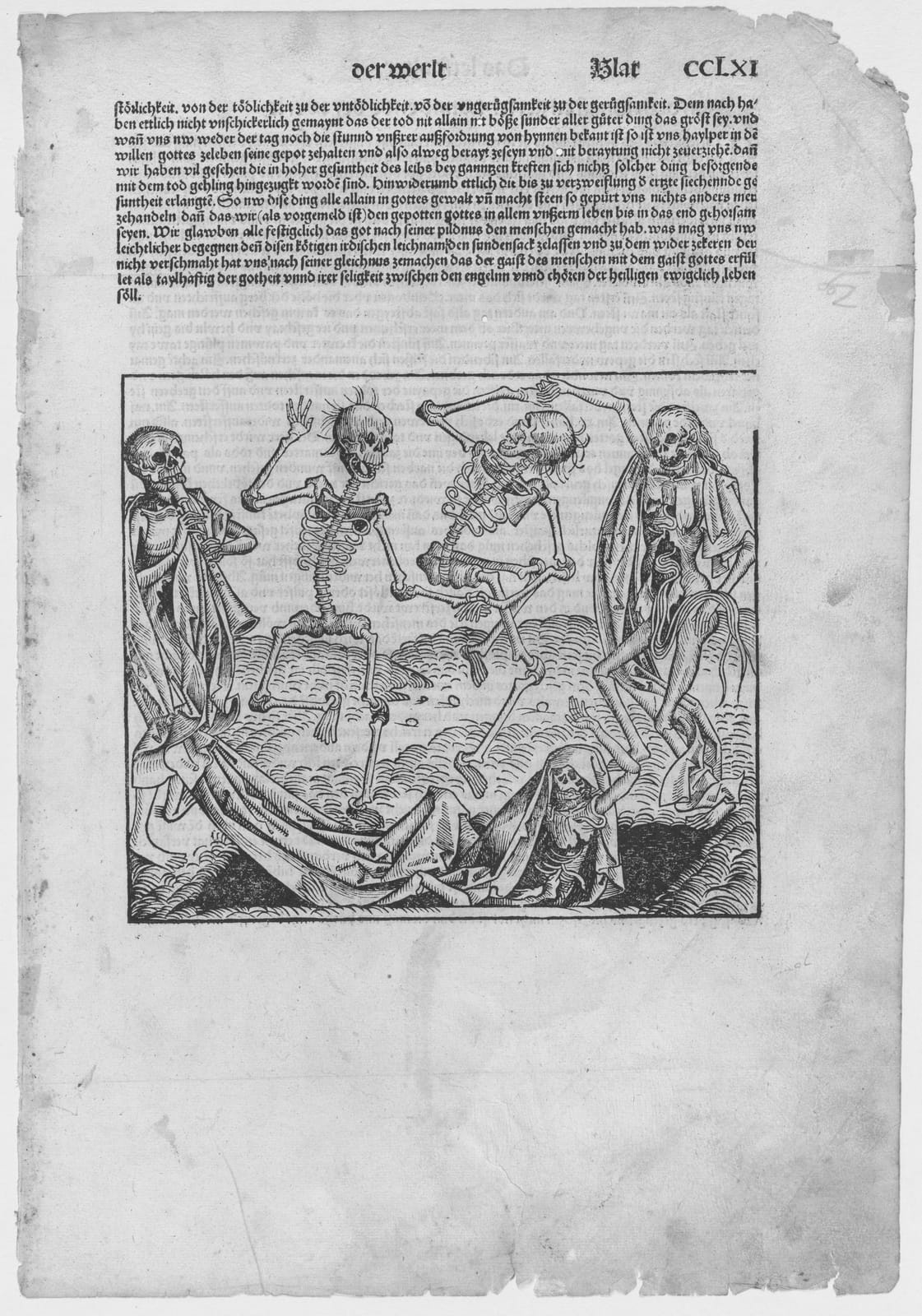
The dance of death, a leaf from the Nuremberg Chronicle
Michael Wolgemut (1434–1519), Dance of Death, from The Nuremberg Chronicle, 1493. Credits

Email view of this day