This day

November 11, 2028

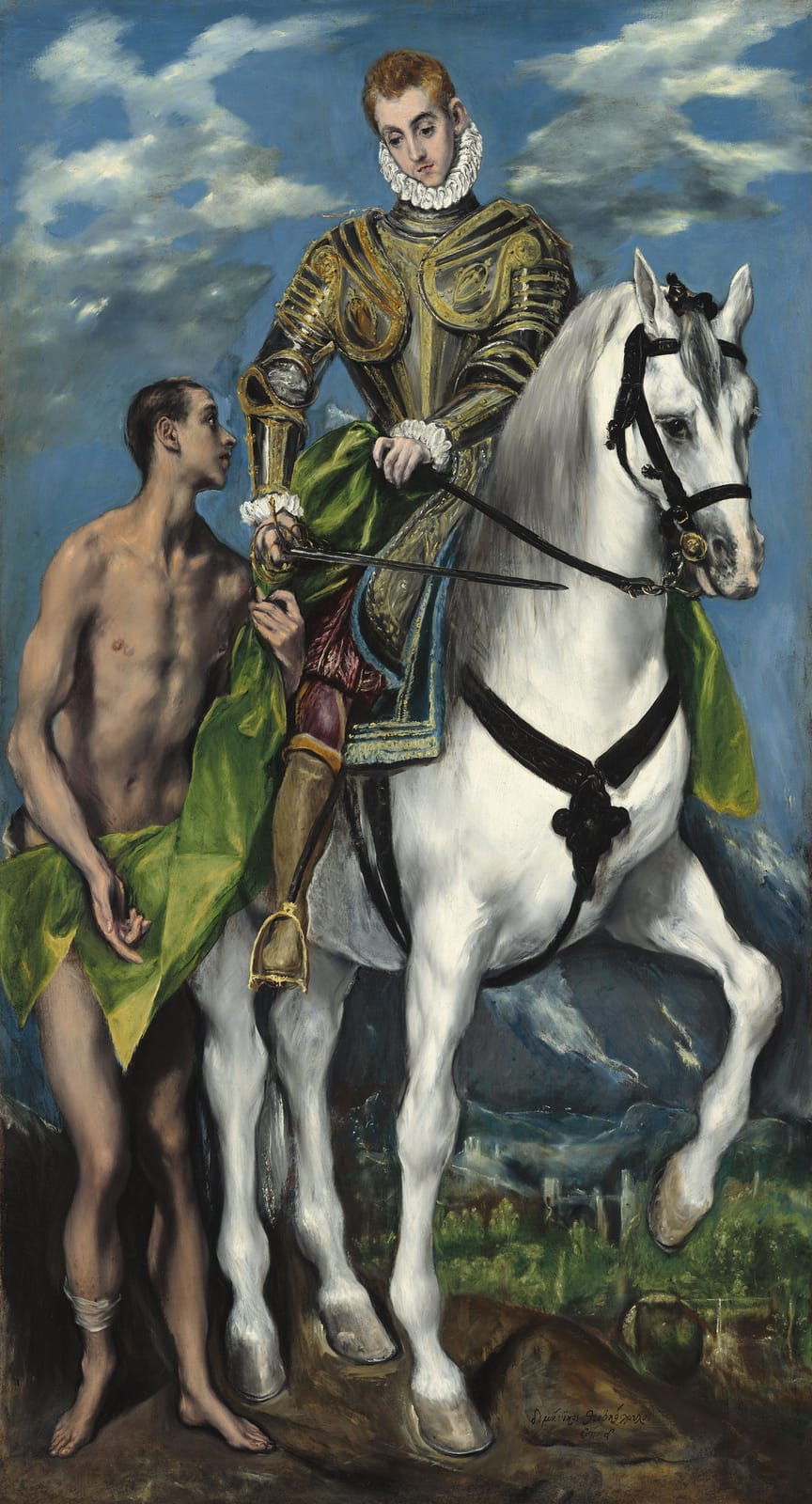
Saint Martin and the Beggar
Saint Martin and the Beggar, El Greco (1541–1614), 1597–1599. Credits

After Pentecost

November 11, 2028

A Double leads; St. Mennas is commemorated.Rubric

November 11: St. Martin, Bishop and Confessor

From Dom Guéranger’s The Liturgical Year.

THREE thousand six hundred and sixty churches dedicated to St. Martin in France alone, and well-nigh as many in the rest of the world, bear witness to the immense popularity of the great thaumaturgus. In the country, on the mountains, and in the depth of forests, trees, rocks, and fountains, objects of superstitious worship to our pagan ancestors, received, and in many places still retain, the name of him who snatched them from the dominion of the powers of darkness to restore them to the true God. For the vanquished idols, Roman, Celtic or German, Christ substituted their conqueror, the humble soldier, in the grateful memory of the people. Martin's mission was to complete the destruction of paganism, which had been driven from the towns by the martyrs, but remained up to his time master of the vast territories removed from the influence of the cities.

While on the one hand he was honoured with God's favours, on the other he was pursued by hell with implacable hatred. At the very outset he had to encounter Satan, who said to him: “I will beset thy path at every turn; and he kept his word.
Chapter 6: On Holy Communion during the Time after Pentecost

From Dom Guéranger’s The Liturgical Year.

If, in the early stages of the liturgical year, in Advent, at Christmas, and during the periods of Septuagesima and Lent, when there was question of nothing beyond a preparation for the divine mysteries which wrought our salvation—if, in the name of holy Church, we then invited the faithful to have recourse to the sacrament of our Lord’s Body, as being the heavenly nourishment that would support them in the glorious career on which they had entered; now that the work is done, that they have risen again with their Redeemer, that they have followed Him, by their desires and their hopes, even to the very summit of heaven—now that the Holy Ghost has come down upon this earth, that He might complete within them the work of their union with God, surely, nothing could profit them more than that they nourish themselves, and even more frequently than before, with the Bread of life, which came from heaven, that He might give life to the world.

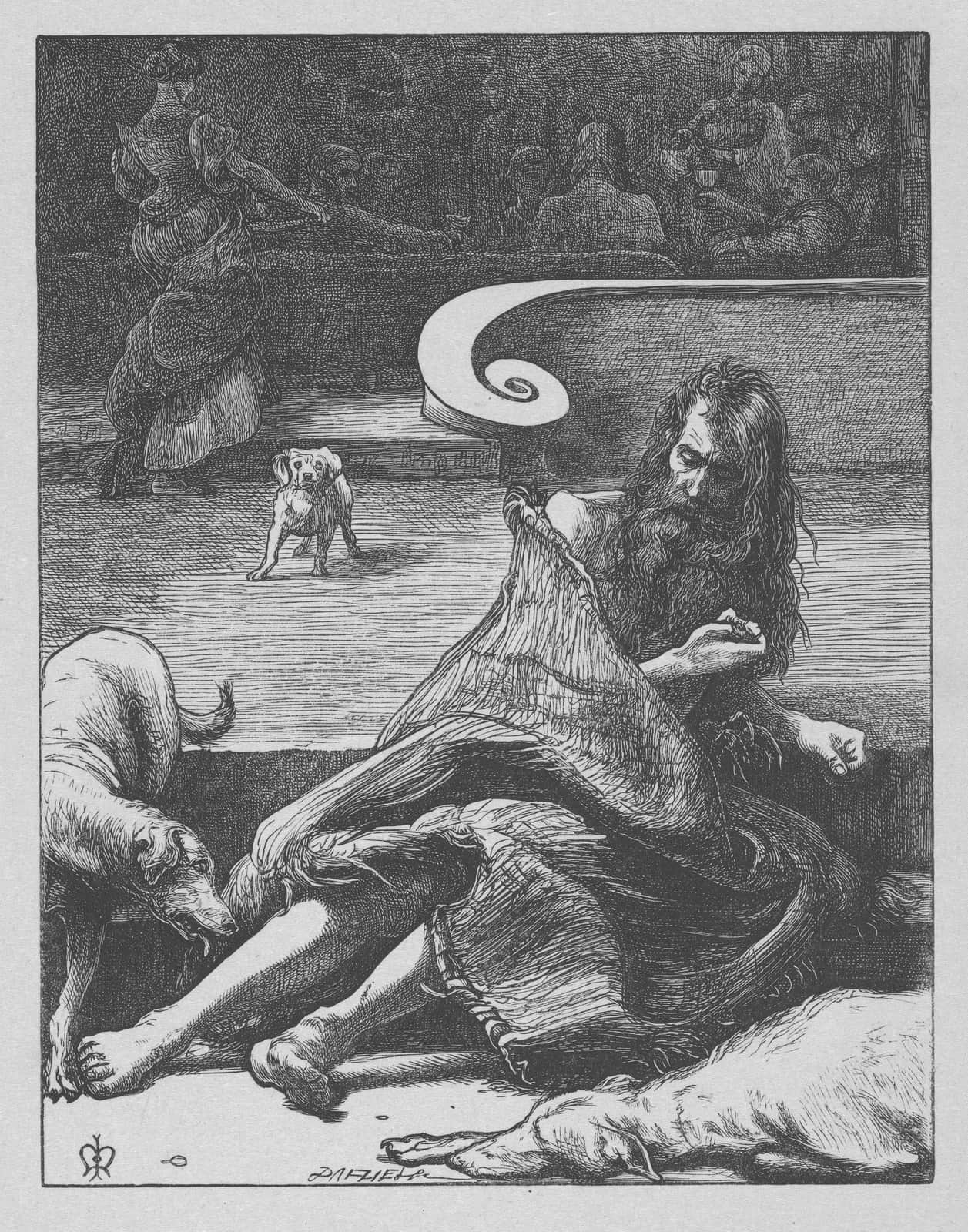
The rich man and Lazarus
Sir John Everett Millais (1829–1896), The Rich Man and Lazarus, from The Parables of Our Lord and Saviour Jesus Christ, 1864. Credits

Email view of this day