This day

January 27, 2029

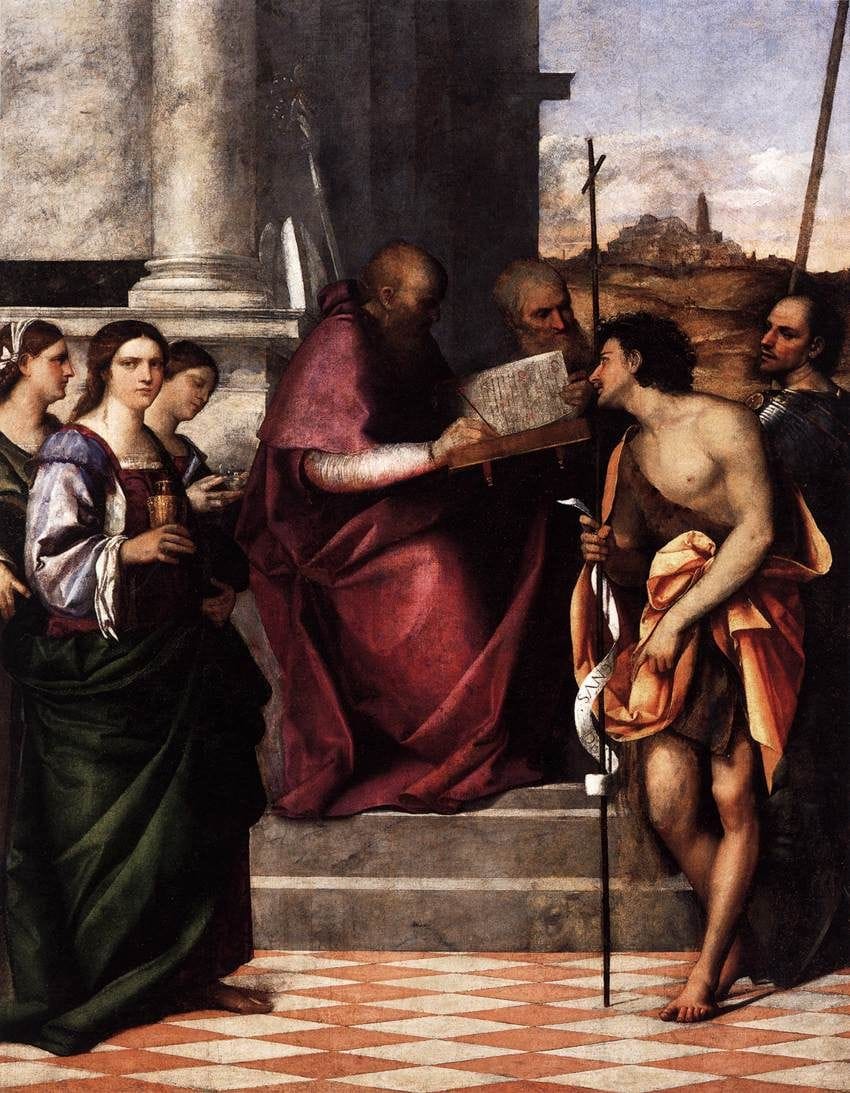
San Giovanni Crisostomo Altarpiece
Saint John Chrysostom Altarpiece, Sebastiano del Piombo (1485–1547), 1510–1511. Credits

Epiphanytide

January 27, 2029

A Double leads the weekday.Rubric

January 27: St. John Chrysostom, Bishop and Doctor of the Church

From Dom Guéranger’s The Liturgical Year.

BEFORE our Emmanuel came upon this earth, men were as sheep without a shepherd; the flock was scattered, and the human race was hastening on to perdition. Jesus would, therefore, not only be the Lamb that was to be slain for our sins; he made himself, moreover, a Shepherd, that so he might bring us all back to the divine fold. But as he had to leave us when he ascended into heaven, he has provided for the wants of his sheep by providing us with a succession of Pastors, who should in his name feed the flock even to the end of the world. Now instruction, which is the light of life, is what the flock of Christ needs above all other things; and therefore our Emmanuel required that the Pastors of his Church should also be Doctors of sacred science. The Pastor owes two things to his people; namely, the Word of God and the Sacraments. He is under the obligation of dispensing, personally and unceasingly, this twofold nourishment to his flock, and of laying down his very life, if needed, in the fulfilment of a duty on which rests the whole work of the world’s salvation.

Saturday before Septuagesima Sunday

From Dom Guéranger’s The Liturgical Year.

The calendar of the liturgical year will soon bring us to the commemoration of the Passion and Resurrection of our Redeemer; we are but nine weeks from these great solemnities. It is time for the Christian to be preparing his soul for a fresh visit from his Saviour; a visit even more sacred and more important than that He so mercifully paid us at His Birth.

Our holy mother the Church knows how necessary it is for her to rouse our hearts from their lethargy, and give them an active tendency towards the things of God. On this day, the eve of Septuagesima, she uses a powerful means for infusing her own spirit into the minds of her children. She takes the song of heaven away from us: she forbids our further uttering that Alleluia, which is so dear to us, as giving us a fellowship with the choirs of angels, who are for ever repeating it. How is it that we poor mortals, sinners, and exiles on earth, have dared to become so familiar with this hymn of a better land?

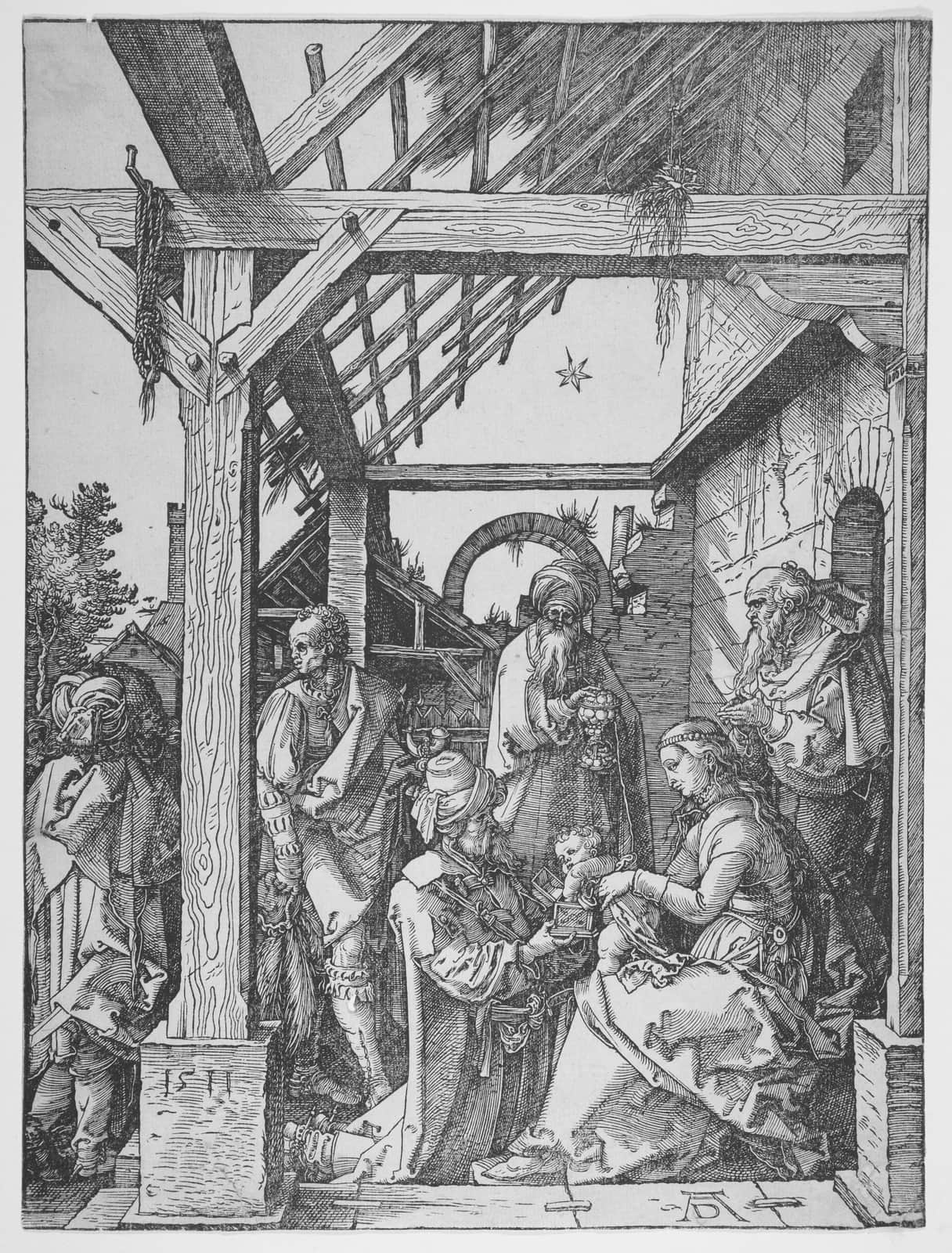
The Adoration of the Magi: the three kings offer gifts to the clothed Christ Child
Albrecht Dürer (1471–1528), The Adoration of the Magi, 1511. Credits

Email view of this day