This day

March 6, 2029

Lent

March 6, 2029

Tuesday of the Third Week of Lent

From Dom Guéranger’s The Liturgical Year.

The Station is in the church of St. Pudentiana, daughter of Pudens the senator. This holy virgin of Rome lived in the second century. She was remarkable for her charity, and for the zeal wherewith she sought for and buried the bodies of the martyrs. Her church is built on the very spot where stood the house in which she lived with her father and her sister St. Praxedes. St. Peter the Apostle had honoured this house with his presence, during the lifetime of Pudentiana’s grandfather.

Graciously hear us, O almighty and merciful God, and grant us the gift of salutary continence. Through Christ our Lord. Amen.

Lectio libri Regum.

IV. Cap. iv.

In diebus illis: Mulier quædam clamabat ad Elieæum prophetam, dicens: Semis tuus vir meus mortuus est: efc tu nosti quia semis tuus fuit timens Dominum: et ecce creditor venit ut tollat duos filios meos ad serviendum sibi. Cui dixit Elisæus: Quid vis ut faciam tibi? Die mihi quid habes in domo tua? At ilia respondit: Non habeo ancilla tua quidquam in domo mea, nisi pa rum olei, quo ungar.

Chapter 2: The Mystery of Lent

From Dom Guéranger’s The Liturgical Year.

We may be sure that a season so sacred as this of Lent is rich in mysteries. The Church has made it a time of recollection and penance, in preparation for the greatest of all her feasts; she would, therefore, bring into it everything that could excite the faith of her children, and encourage them to go through the arduous work of atonement for their sins. During Septuagesima, we had the number seventy, which reminds us of those seventy years of captivity in Babylon, after which God’s chosen people, being purified from idolatry, was to return to Jerusalem and celebrate the Pasch. It is the number forty that the Church now brings before us: a number, as St. Jerome observes, which denotes punishment and affliction.

Let us remember the forty days and forty nights of the deluge sent by God in His anger, when He repented that He had made man, and destroyed the whole human race with the exception of one family.

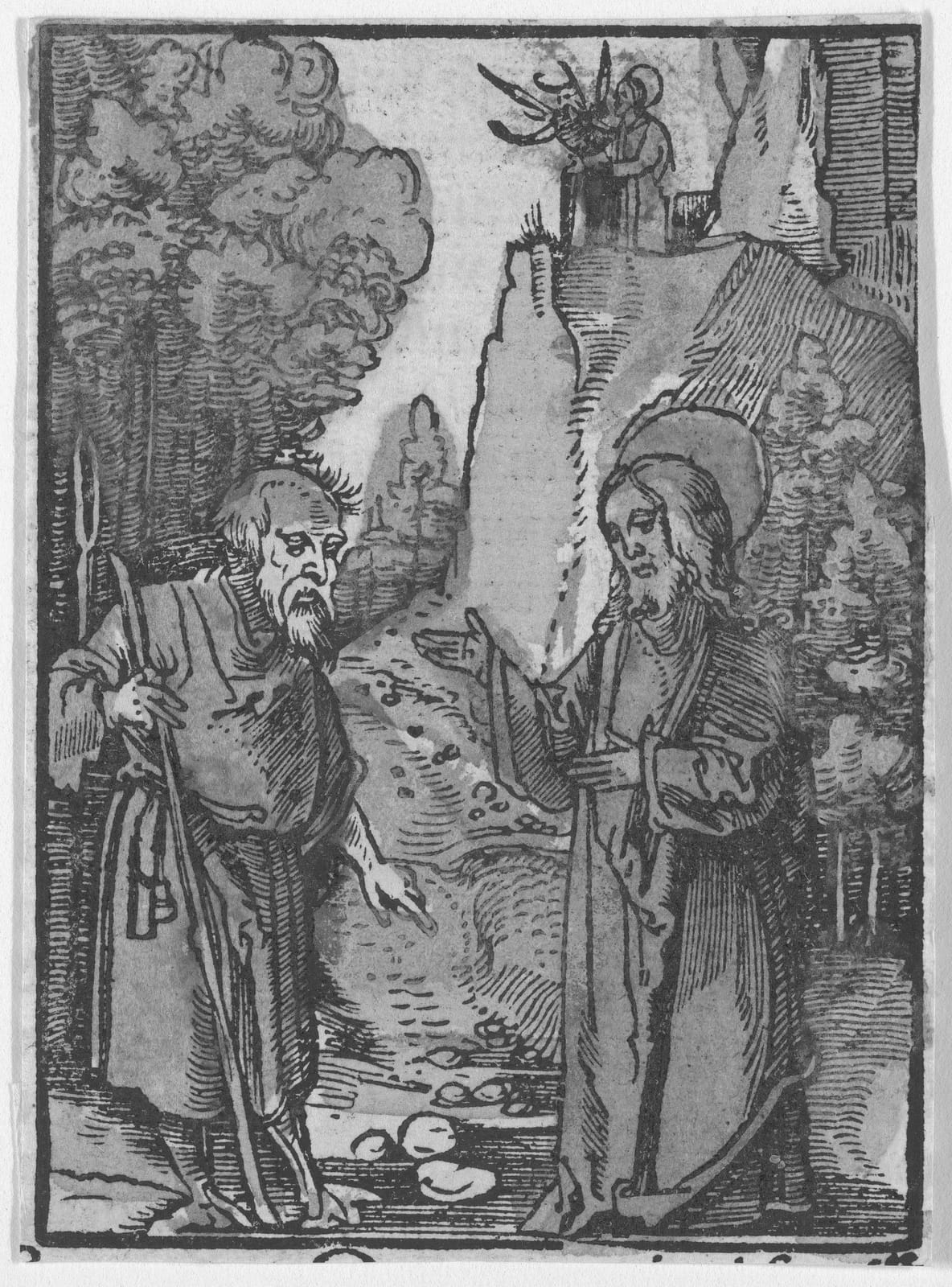
The Temptation of Christ in the wilderness
Hans Schäufelein (1480–1540), The Temptation of Christ, from Das Plenarium, 1517. Credits

Email view of this day