This day

March 8, 2029

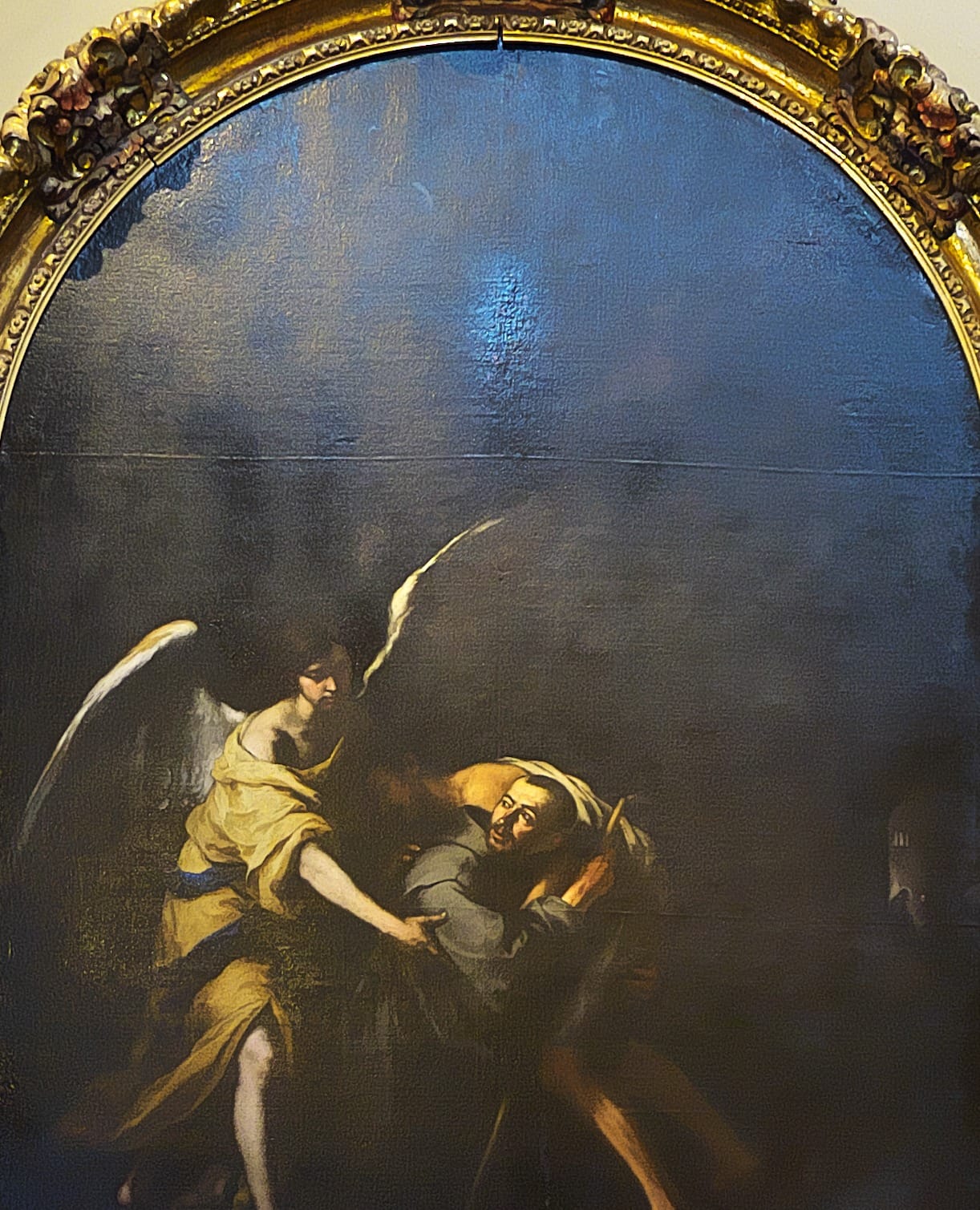
St John of God carrying a sick man aided by an angel
Saint John of God, Bartolomé Esteban Murillo (1617–1682). Credits

Lent

March 8, 2029

A Double leads the weekday.Rubric

March 8: St. John of God, Confessor

From Dom Guéranger’s The Liturgical Year.

This day month we were keeping the feast of St. John of Matha, whose characteristic virtue was charity; our saint of to-day was like him: love for his neighbour led him to devote himself to the service of them that most needed help. Both are examples to us of what is a principal duty of this present season; they are models of fraternal charity. They teach us this great lesson, that our love of God is false if our hearts are not disposed to show mercy to our neighbour, and help him in his necessities and troubles. It is the same lesson as that which the beloved disciple gives us, when he says: 'He that hath the substance of this world, and shall see his brother in need, and shall put up his mercy from him, how doth the charity of God abide in him?’ But if there can be no love of God where there is none for our neighbour, the love of our neighbour itself is not genuine unless it be accompanied by a love of our Creator and Redeemer.

Thursday of the Third Week of Lent

From Dom Guéranger’s The Liturgical Year.

This day brings us to the middle of Lent, and is called mid-Lent Thursday. It is the twentieth of the forty fasts imposed upon us, at this holy season, by the Church. The Greeks call the Wednesday of this week Mesonestios, that is, the mid-fast. They give this name to the entire week, which, in their liturgy, is the fourth of the seven that form their Lent. But the Wednesday is, with them, a solemn feast, and a day of rejoicing, whereby they animate themselves to courage during the rest of the season. The Catholic nations of the west, though they do not look on this day as a feast, have always kept it with some degree of festivity and joy. The Church of Rome has countenanced the custom by her own observance of it; but, in order not to give a pretext to dissipation, which might interfere with the spirit of fasting, she postpones to the following Sunday the formal expression of this innocent joy, as we shall see further on.

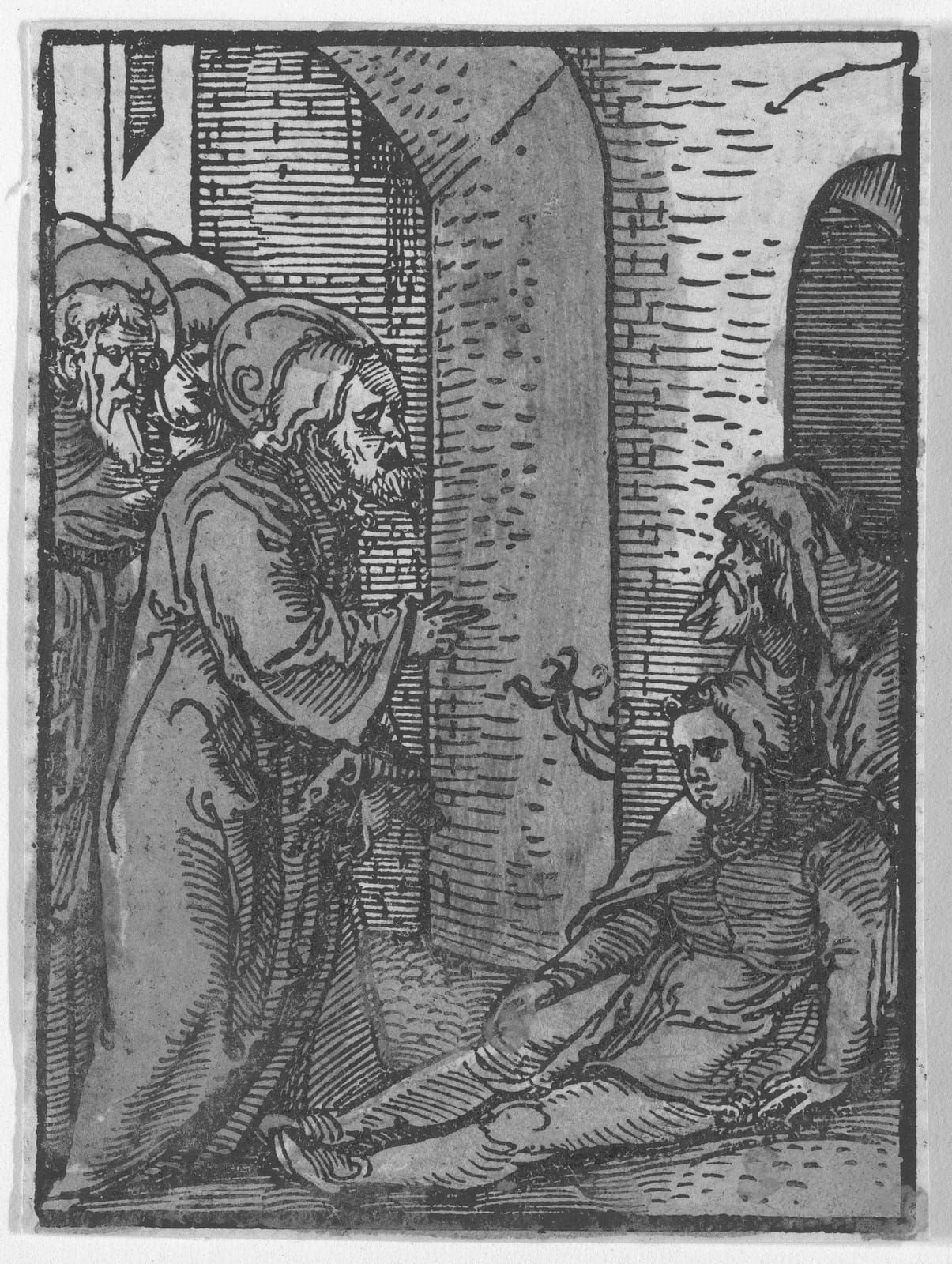
Christ healing a possessed man as a demon flees
Hans Schäufelein (1480–1540), Christ Healing the Possessed, from Das Plenarium, 1517. Credits

Email view of this day