This day

April 4, 2029

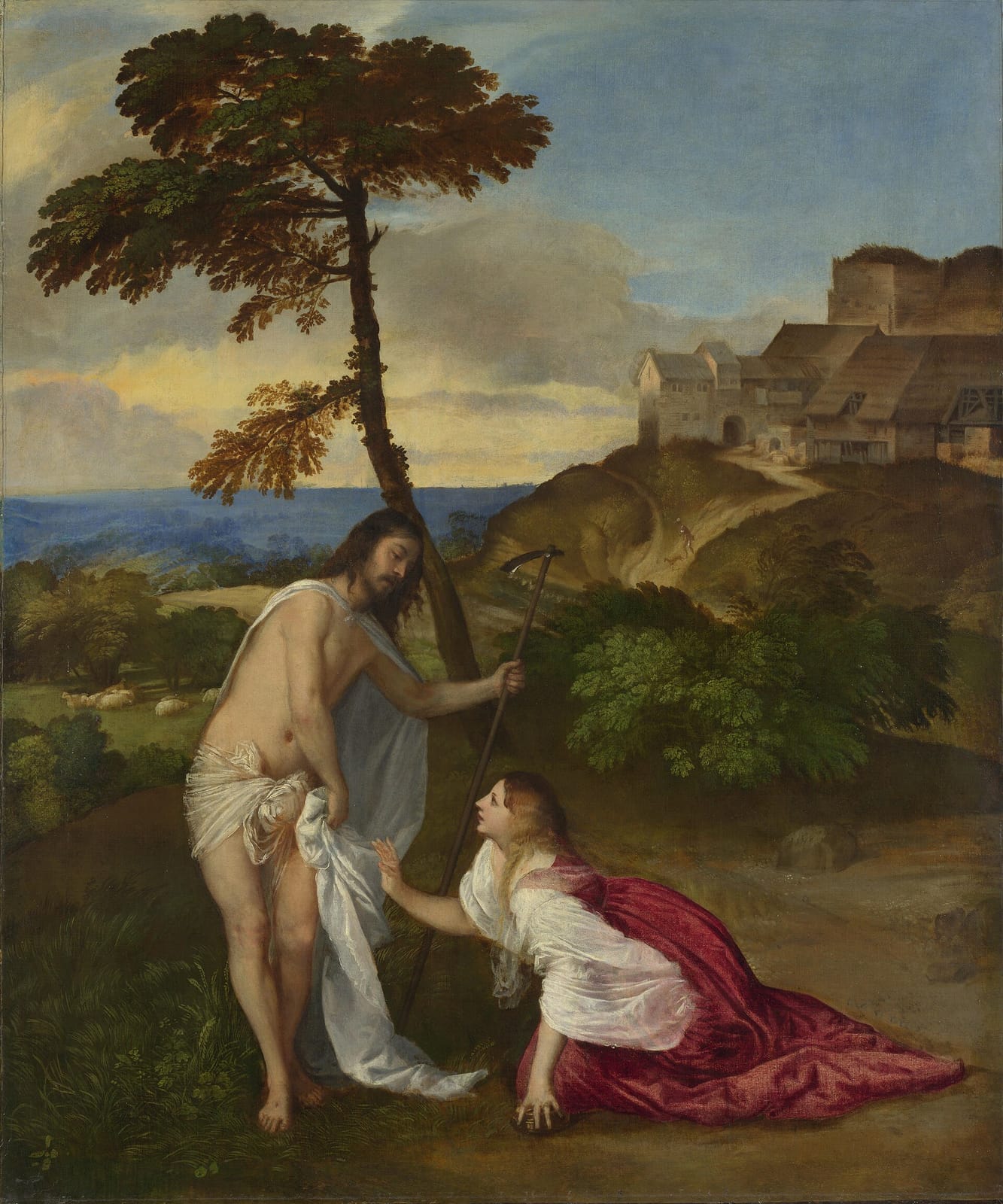
The risen Christ, with a hoe, draws back from Mary Magdalen in a landscape
Noli me tangere, Titian (c. 1488–1576), 1514. Credits

Paschal Time

April 4, 2029

Wednesday in Easter Week (and the Blessing of the Agnus Dei)

From Dom Guéranger’s The Liturgical Year.

This is the day which the Lord hath made: let us be glad and rejoice therein.

THE Hebrew word Pasch signifies passage, and we explained yesterday how this great day first became sacred by reason of the Lord's Passover. But there is another meaning which attaches to the word, as we learn from the early Fathers and the Jewish rabbins. The Pasch is, moreover, the passage of the Israelites from Egypt to the Promised Land. These three great facts really happened on one and the same night: the banquet of the lamb, the death of the firstborn of the Egyptians, and the departure from Egypt. Let us, to-day, consider how this third figure is a further development of our Easter mystery.

The day of Israel's setting forth from Egypt for his predestined country of the Promised Land is the most important in his whole history; but both the departure itself, and the circumstances that attended it, were types of future realities to be fulfilled in the Christian Pasch. The people of God were delivered from an idolatrous and tyrannical country: in our Pasch, they who are now our neophytes have courageously emancipated themselves from the slavish sway of Satan, and have solemnly renounced the pomps and works of this haughty Pharaoh.
Chapter 4: Morning and Night Prayers for Paschal Time

From Dom Guéranger’s The Liturgical Year.

DURING Paschal time, the Christian, on waking in the morning, will unite himself with the Church, who in her Office of Matins says to us these solemn words, which choirs of religious men and women, throughout the universe, have been chanting during the deep silence of the night: Surrexit Dominus vere. Alleluia.

He will profoundly adore the Son of God rising from the tomb, and surrounded with the dazzling rays of his grand triumph. He will hail him with delighted joy, as being the divine Sun of Justice, who rises on the world that he may rescue it from the darkness of sin and illuminate it with the light of grace. It is with these ideas deeply impressed upon his mind that he must perform his first acts of religion, both interior and exterior, wherewith he begins the day. The time for Morning Prayer being come, he may use the following method, which is formed upon the very prayers of the Church: First, praise and adoration of the Most Holy Trinity:

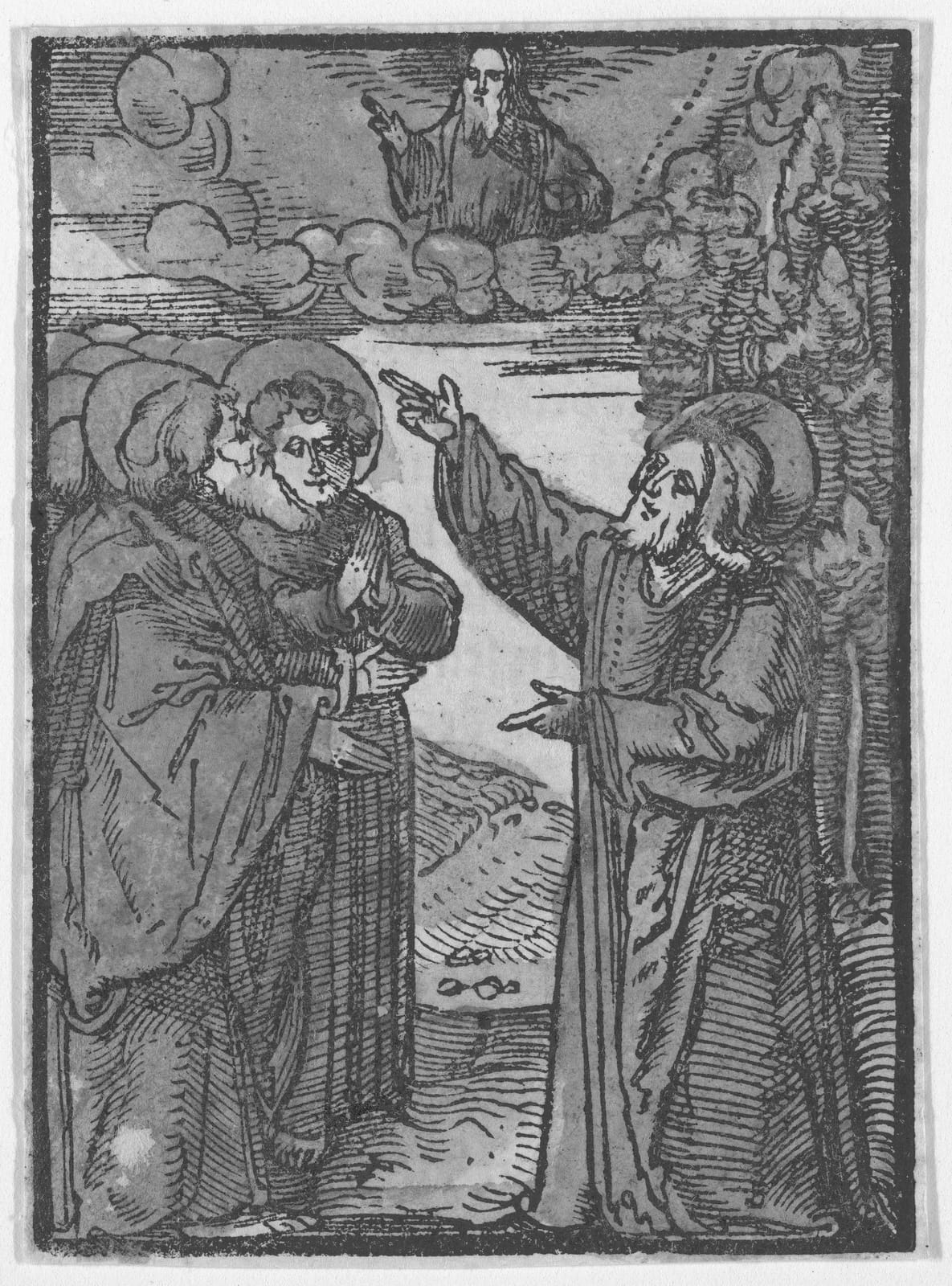
Christ appearing in the clouds as He speaks to the apostles of His return to the Father
Hans Schäufelein (1480–1540), Christ Talking about his Return to the Father, from Das Plenarium, 1517. Credits

Email view of this day