This day

April 15, 2029

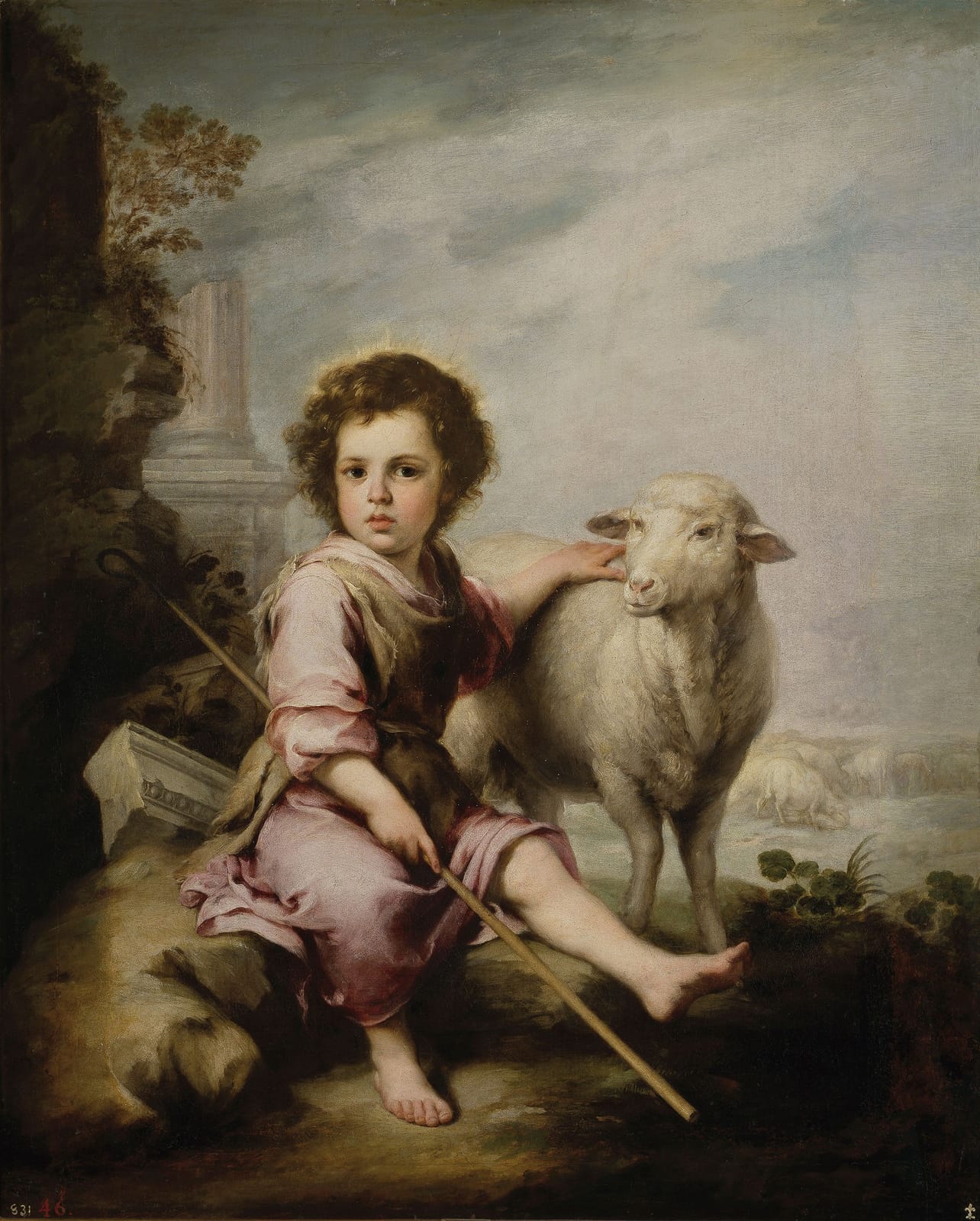
The Good Shepherd
The Good Shepherd, Bartolomé Esteban Murillo (1617–1682), c. 1660. Credits

Paschal Time

April 15, 2029

Second Sunday after Easter

From Dom Guéranger’s The Liturgical Year.

℣. In thy resurrection, O Christ, alleluia.
℟. Let heaven and earth rejoice, alleluia.

THIS Sunday goes under the name of Good Shepherd Sunday, because in the Mass there is read the Gospel of St John, wherein our Lord calls himself by this name. How very appropriate is this passage of this Gospel to the present season, when our divine Master began his work of establishing and consolidating the Church, by giving it the pastor, or shepherd, who was to govern it to the end of time!

In accordance with the eternal decree, the Man-God, on the fortieth day after his Resurrection, is to withdraw his visible presence from the world. He is not to be again seen upon the earth till the last day, when he will come again to judge the living and the dead. And yet he could never abandon mankind, for which he offered himself on the Cross, and delivered from death and hell by rising triumphantly from the grave. He will continue to be its Head after his Ascension into heaven: but what shall we have on earth to supply his place?
Chapter 4: Morning and Night Prayers for Paschal Time

From Dom Guéranger’s The Liturgical Year.

DURING Paschal time, the Christian, on waking in the morning, will unite himself with the Church, who in her Office of Matins says to us these solemn words, which choirs of religious men and women, throughout the universe, have been chanting during the deep silence of the night: Surrexit Dominus vere. Alleluia.

He will profoundly adore the Son of God rising from the tomb, and surrounded with the dazzling rays of his grand triumph. He will hail him with delighted joy, as being the divine Sun of Justice, who rises on the world that he may rescue it from the darkness of sin and illuminate it with the light of grace. It is with these ideas deeply impressed upon his mind that he must perform his first acts of religion, both interior and exterior, wherewith he begins the day. The time for Morning Prayer being come, he may use the following method, which is formed upon the very prayers of the Church: First, praise and adoration of the Most Holy Trinity:

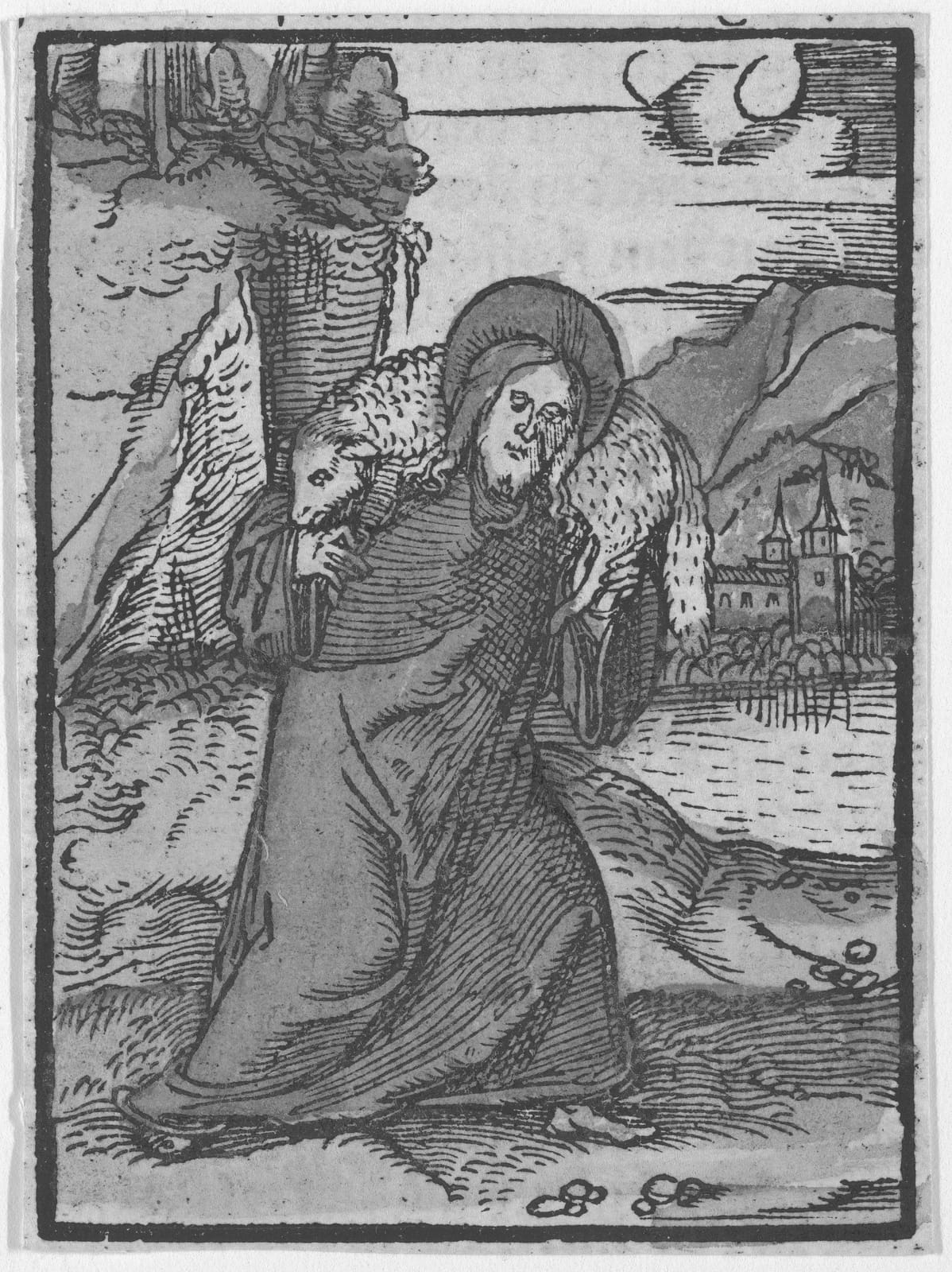
Christ as the Good Shepherd carrying a sheep on His shoulders
Hans Schäufelein (1480–1540), Christ as Good Shepherd, from Das Plenarium, 1517. Credits

Email view of this day