This day

July 5, 2029

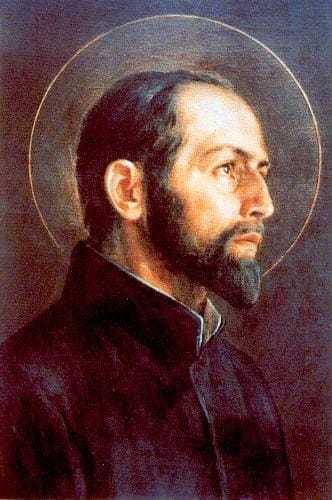
St Anthony Mary Zaccaria
Saint Anthony Mary Zaccaria. Credits

After Pentecost

July 5, 2029

July 5: St. Anthony Mary Zaccaria, Confessor

From Dom Guéranger’s The Liturgical Year.

LATER than Cajetan of Vicenza and earlier than Ignatius of Loyola, Anthony was called to be the father of one of those religious families which arose in such numbers during the sixteenth century to repair the ruins of the house of God. Lombardy, exhausted and demoralized by the wars for the possession of the duchy of Milan, was encouraged by the sight of the heroic virtues of Zaccaria to believe, hope and love once again. She listened to his fiery exhortations calling her to repentance, to meditation on the Passion and to more fervent devotion to, and more solemn adoration of, the Blessed Sacrament. Thus he was truly the precursor of St Charles Borromeo, who in his reform of the clergy, people and monasteries of Milan had as his earnest supporters Anthony's sons and daughters, the Clerks Regular and the Angelic Sisters of St Paul.

The Congregation began its life in the Oratory of Eternal Wisdom at Milan, but these new disciples of the doctor of the Gentiles took their name of Barnabites from the Church of St Barnabas, to which they were moved shortly after the death of the saint and where his body rests.

This week's Sunday: The Sixth Sunday after Pentecost

From Dom Guéranger’s The Liturgical Year.

The Office for the sixth Sunday after Pentecost, which began yesterday evening, reminded us, in its Magnificat antiphon, of a repentance which has never had an equal. David, the royal prophet, the conqueror of Goliath, himself conquered by sensuality, and from adulterer become a murderer, at last felt the crushing weight of his double crime, and exclaimed: 'I do beseech thee, O Lord, take away the iniquity of thy servant, for I have done foolishly!'

Sin is always a folly and a weakness, no matter of what kind it may be, or who he be that commits it. The rebel angel, and fallen man, may, in their pride, make efforts to persuade themselves that, when they sinned, they did not act as fools, and were not weak; but all their efforts are vain; sin must ever have this disgrace upon it, that it is folly and weakness, for it is a revolt against God, a contempt for His law, a mad act or the creature, who, being made by his.

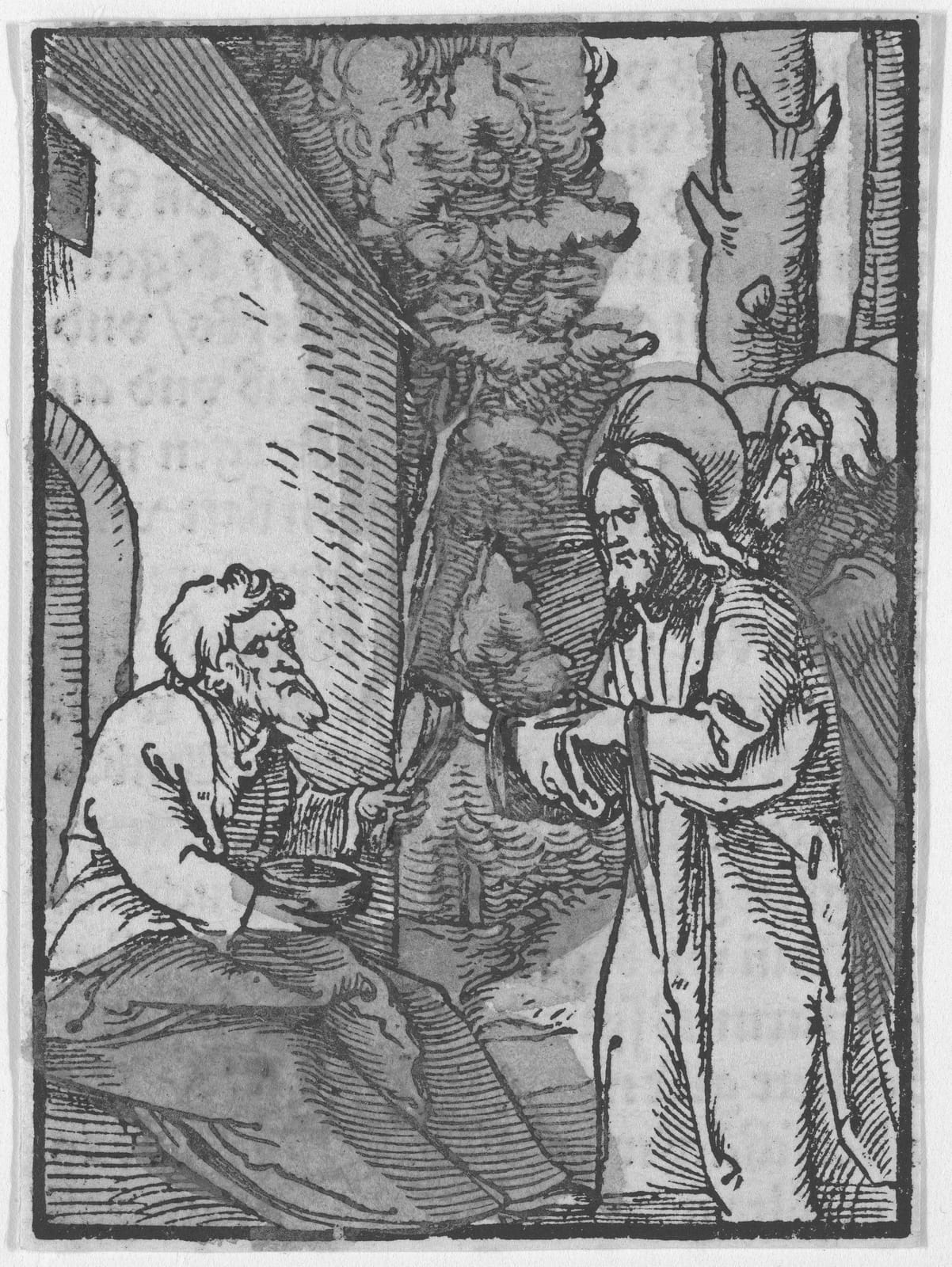
Christ healing a leper
Hans Schäufelein (1480–1540), Christ Healing the Leper, from Das Plenarium, 1517. Credits

Email view of this day