This day

July 19, 2029

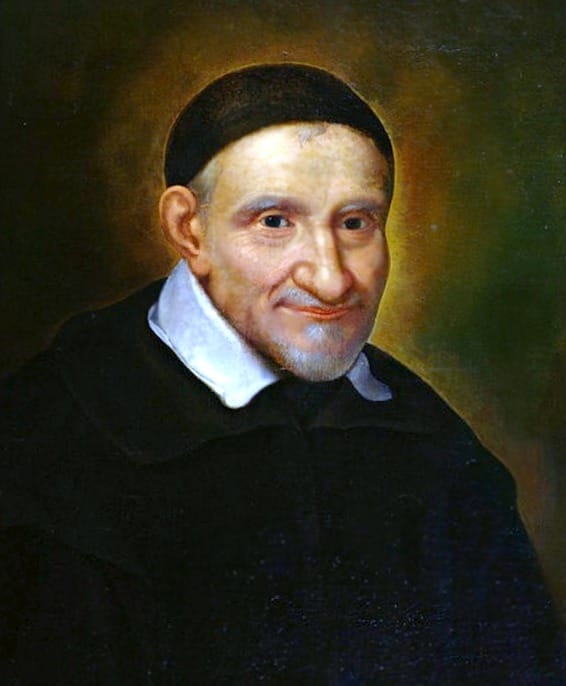
St Vincent de Paul
Vincent de Paul. Credits

After Pentecost

July 19, 2029

July 19: St. Vincent de Paul, Confessor

From Dom Guéranger’s The Liturgical Year.

VINCENT was a man of faith that worketh by charity At the time he came into the world—viz., at the close of the same century in which Calvin was born—the Church was mourning over many nations separated from the faith; the Turks were harassing all the coasts of the Mediterranean. France, worn out by forty years of religious strife, was shaking off the yoke of heresy from within, while by a foolish stroke of policy she gave it external liberty. The Eastern and Northern frontiers were suffering the most terrible devastations, and the West and centre were the scene of civil strife and anarchy. In this state of confusion, the condition of souls was still more lamentable. In the towns alone was there any sort of quiet, any possibility of prayer. The country people, forgotten, sacrificed, subject to the utmost miseries, had none to support and direct them but a clergy too often abandoned by their bishops, unworthy of the ministry, and wellnigh as ignorant as their flocks. Vincent was raised up by the Holy Spirit to obviate all these evils.

This week's Sunday: The Eighth Sunday after Pentecost

From Dom Guéranger’s The Liturgical Year.

In the middle ages this Sunday was called the sixth and last Sunday after the Natalis of the apostles (that is, the feast of St. Peter); it was, indeed, the last for the years when Easter had been kept as late in April as was possible; but it was only the first after that feast of St. Peter when Easter immediately followed the spring equinox.

We have already noticed the variable character of this last portion of the liturgical cycle, which is the result of Easter being kept on a different day each year; and that in consequence of this variation this week may be the second in which the Sapiential Books are read, or, what is of more frequent occurrence, the Books of Kings may still be providing the lessons for the Divine Office. In this latter case it is the ancient temple raised by Solomon, the king of peace, to the glory of Jehovah, that engages the Church's attention to-day.

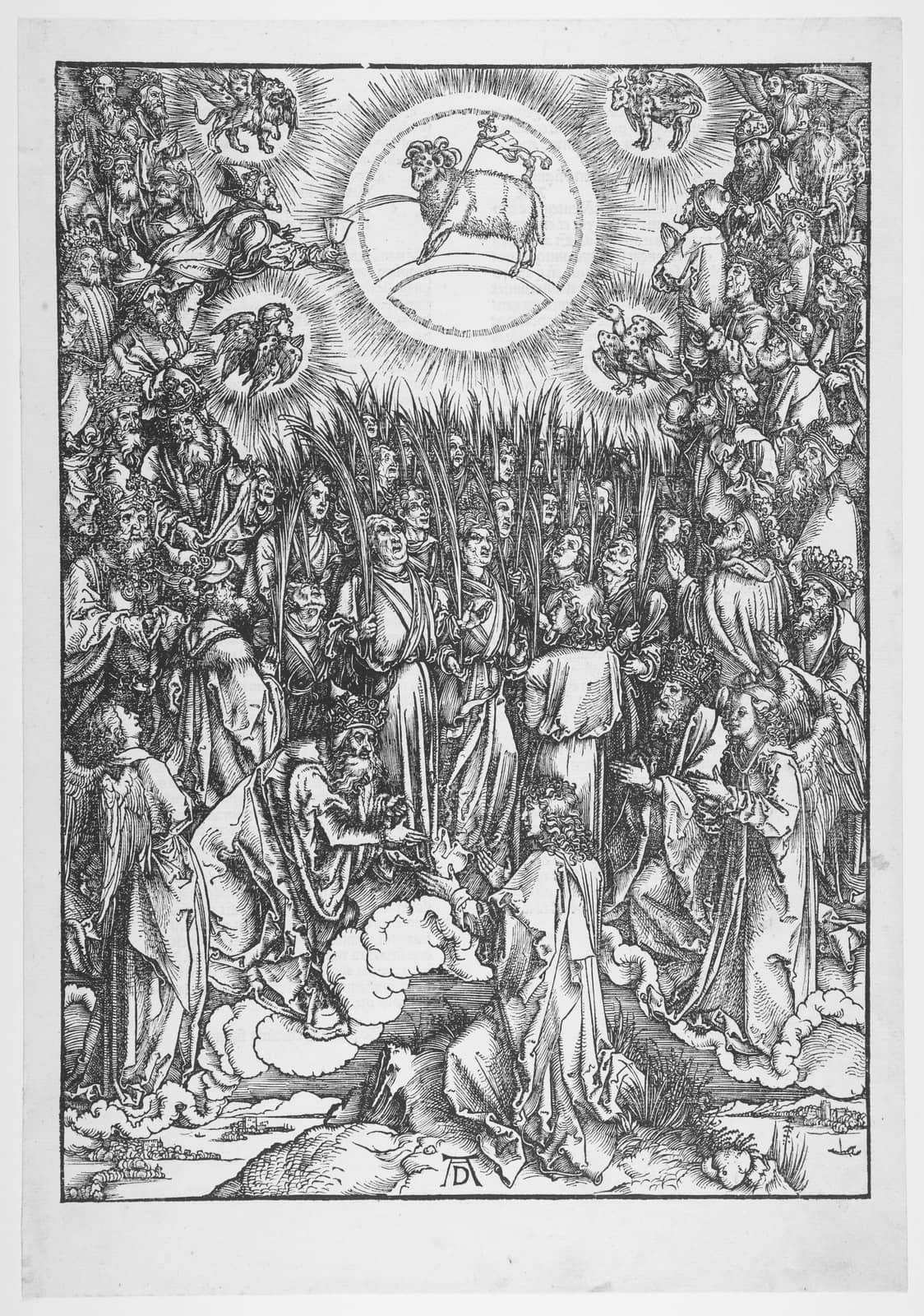
The elders and the saints adore the Lamb
Albrecht Dürer (1471–1528), The Adoration of the Lamb, from The Apocalypse, 1498. Credits

Email view of this day