This day

August 7, 2029

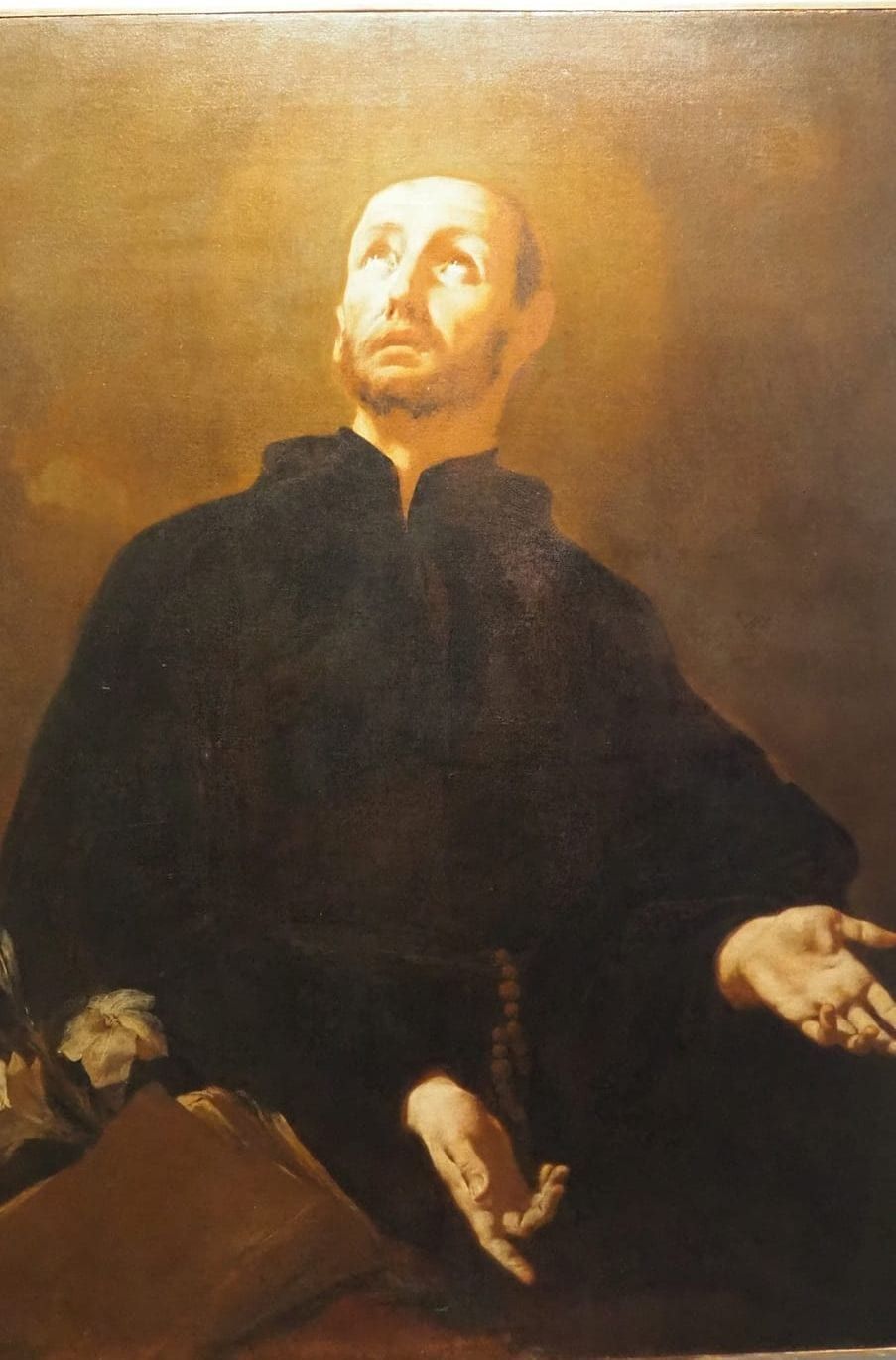
St Cajetan gazing upward with book and lilies
Saint Cajetan of Thiene, Giambattista Piazzetta (1683–1754). Credits

After Pentecost

August 7, 2029

A Double leads; St. Donatus is commemorated.Rubric

August 7: St. Cajetan of Tiene, Confessor

From Dom Guéranger’s The Liturgical Year.

CAJETAN appeared in all his zeal for the sanctuary at the time when the false reform was spreading rebellion throughout the world. The great cause of the danger had been the incapacity of the guardians of the Holy City, or their connivance by complicity of heart or of mind with pagan doctrines and manners introduced by an ill-advised revival. Wasted by the wild boar of the forest, could the vineyard of the Lord recover the fertility of its better days? Cajetan learned from eternal Wisdom the new method of culture required by an exhausted soil.

The urgent need of those unfortunate times was that the clergy should be raised up again by worthy life, zeal, and knowledge. For this object men were required who, being clerks themselves in the full acceptation of the word, with all the obligations it involves, should be to the members of the holy hierarchy a permanent model of its primitive perfection, a supplement to their shortcomings, and a leaven, little by little raising the whole mass. But where, save in the life of the counsels with the stability of its three vows, could be found the impulse, the power, and the permanence necessary for such an enterprise?
Chapter 7: On the Office of Vespers for Sundays and Feasts during the Time after Pentecost

From Dom Guéranger’s The Liturgical Year.

The Office of Vespers, or Evensong, consists firstly of the five following psalms. For certain feasts some of these psalms are changed for others, which are more appropriate to those occasions.

After the Pater and Ave have been said in secret, the Church commences this Hour with her favourite supplication:
℣. Deus, in adjutorium meum intende.
℟. Domine, ad adjuvandum me festina.
℣. Gloria Patri, et Filio, et Spiritui Sancto.
℟. Sicut erat in principio, et nunc et semper, et in sæcula sæculorum. Amen. Alleluia.

Ant. Dixit Dominus.

℣. Incline unto mine aid, O God.
℟. O Lord, make haste to help me.
℣. Glory be to the Father, and to the Son, and to the Holy Ghost.
℟. As it was in the beginning, is now, and ever shall be, world without end. Amen. Alleluia.

Ant. The Lord said.

The first psalm is a prophecy of the future glories of the Messias. The Son of David shall sit on the right hand of the heavenly Father. He is King; He is Priest; He is the Son of Man, and the Son of God.

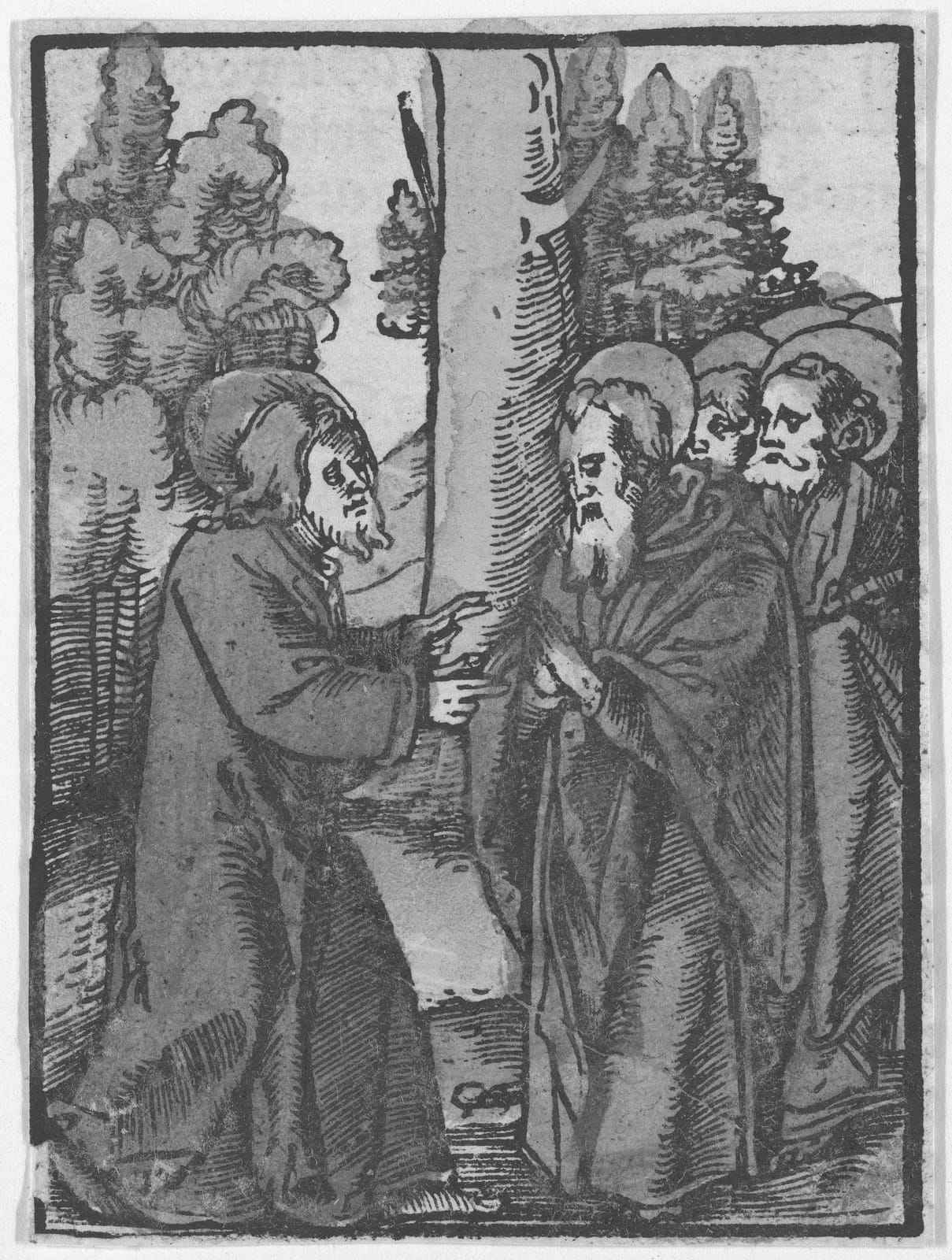
Christ teaching the disciples
Hans Schäufelein (1480–1540), Christ Teaching the Disciples, from Das Plenarium, 1517. Credits

Email view of this day