This day

August 15, 2029

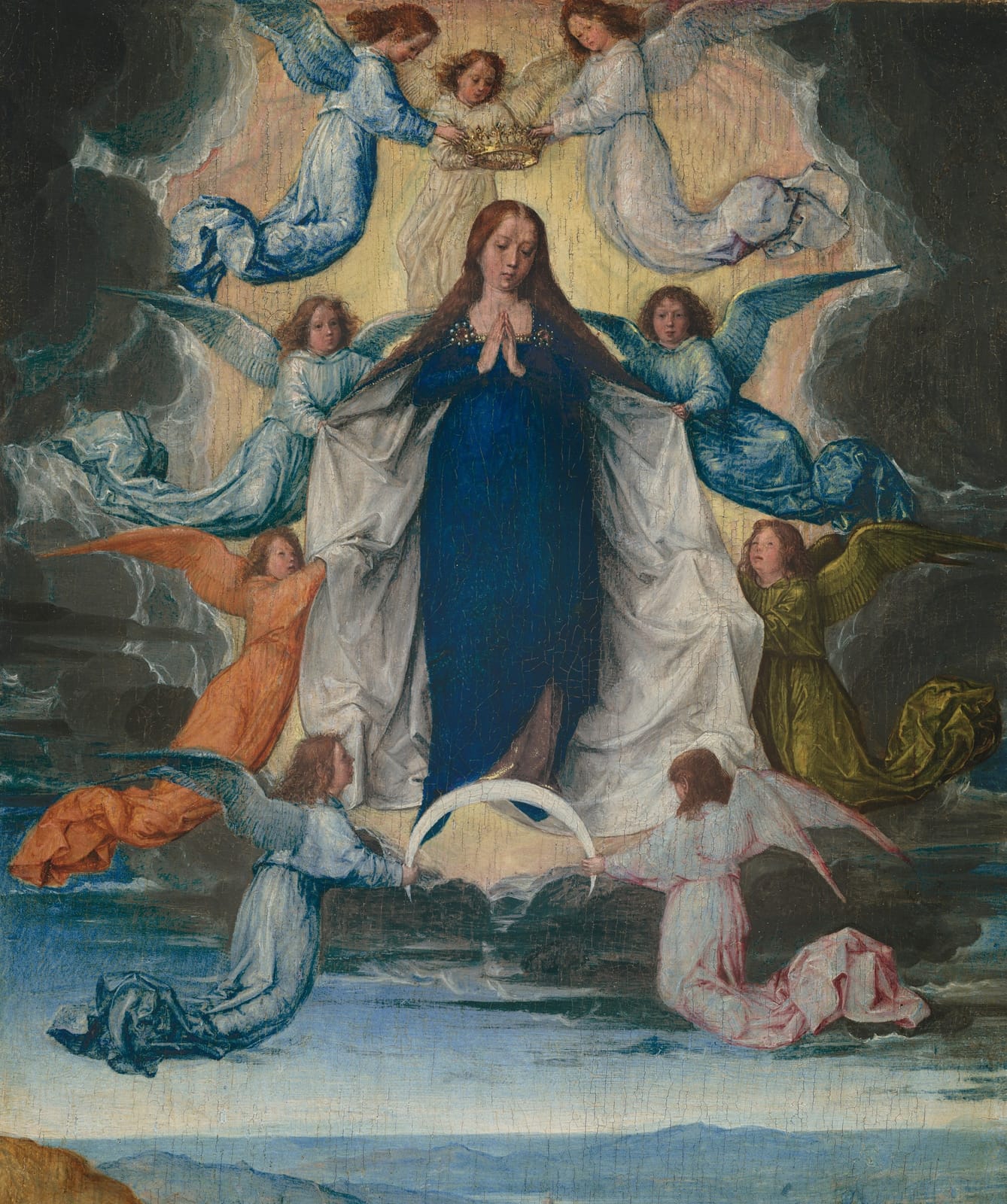
The Virgin Mary in a blue gown rising in prayer, borne by clothed angels who hold her mantle, a crown above her and a crescent moon beneath
The Assumption of the Virgin, Michel Sittow, c. 1500. Credits

After Pentecost

August 15, 2029

August 15: Assumption of the Most Blessed Virgin

From Dom Guéranger’s The Liturgical Year.

TO-DAY the Virgin Mary ascended to heaven; rejoice, for she reigns with Christ for ever.' The Church will close her chants on this glorious day with this sweet antiphon, which resumes the object of the feast and the spirit in which it should be celebrated.

No other solemnity breathes, like this one, at once triumph and peace; none better answers to the enthusiasm of the many and the serenity of souls consummated in love. Assuredly that was as great a triumph when our Lord, rising by His own power from the tomb, cast hell into dismay; but to our souls, so abruptly drawn from the abyss of sorrows on Golgotha, the suddenness of the victory caused a sort of stupor to mingle with the joy of that greatest of days. In presence of the prostrate angels, the hesitating apostles, the women seized with fear and trembling, one felt that the divine isolation of the Conqueror of death was perceptible even to His most intimate friends, and kept them, like Magdalen, at a distance.

Mary's death, however, leaves no impression but peace; that death had no other cause than love.

This week's Sunday: The Twelfth Sunday after Pentecost

From Dom Guéranger’s The Liturgical Year.

On this Sunday, which is their twelfth of Saint Matthew, the Greeks read in the Mass the episode of the young rich man who questions Jesus, given in the nineteenth chapter of the Saint’s Gospel. In the west, it is the Gospel of the Good Samaritan which gives its name to this twelfth Sunday after Pentecost.

The Introit begins with that beautiful verse of Psalm lxix.: 'Come to mine assistance, O God! O Lord, make haste to help me!’ Cassian, in his tenth Conference, has admirably drawn out the beauty of these words, and shows how they are appropriate for every circumstance of life, and how fully they respond to every sentiment of the Christian soul. Durandus applies this Introit to Job, because the lessons for the Divine Office, which are taken from that Book of Scripture, sometimes, though not often, coincide with this Sunday. Rupert looks on this Introit as the fitting prayer of the deaf and dumb man, whose cure was the subject of our reflexions this day last week.

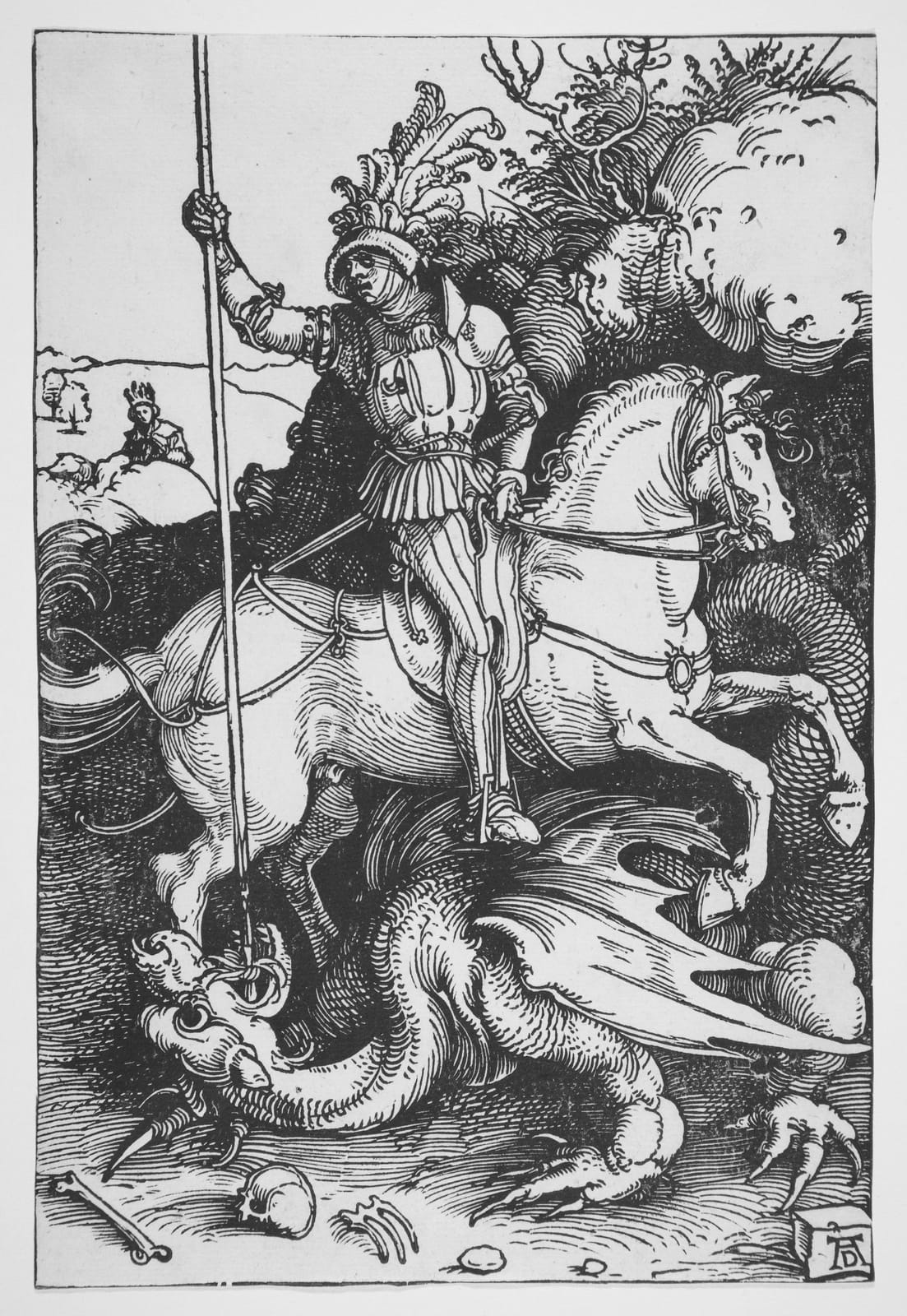
Saint George slaying the dragon
Albrecht Dürer (1471–1528), Saint George Slaying the Dragon, ca. 1504. Credits

Email view of this day