This day

August 23, 2029

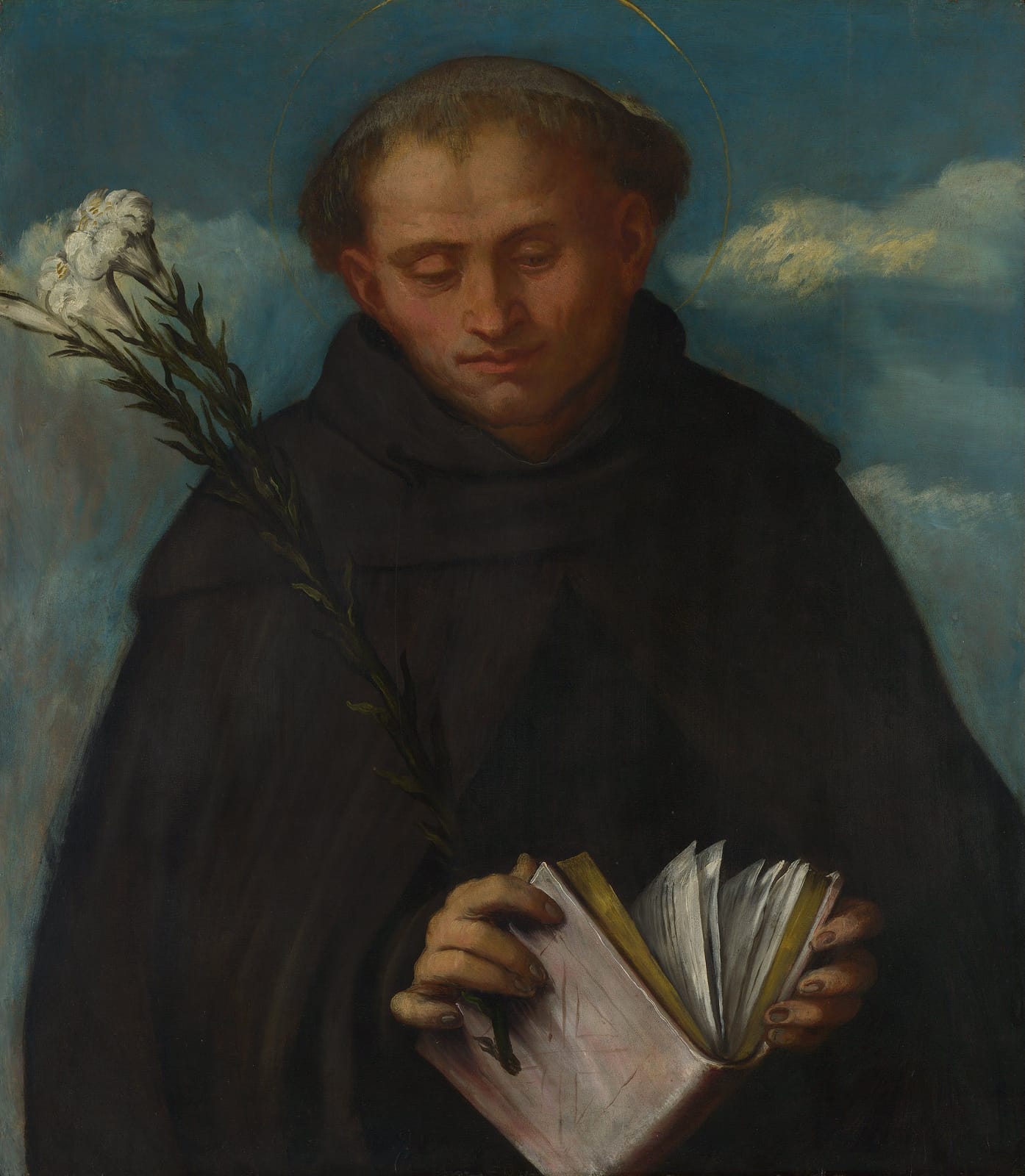
Saint Filippo Benizzi
Saint Filippo Benizzi, Girolamo Romanino (1485–1562), 1524. Credits

After Pentecost

August 23, 2029

August 23: St. Philip Benizi, Confessor

From Dom Guéranger’s The Liturgical Year.

OUR Lady is now reigning in heaven. Her triumph over death cost her no labour; and yet it was through suffering that she like Jesus entered into her glory. We too cannot attain eternal happiness otherwise than did the Son and the Mother. Let us keep in mind the sweet joys we have been tasting during the past week; but let us not forget that our own journey to heaven is not yet completed. ‘Why stand ye looking up into heaven?’ said the angels to the disciples on Ascension day, in the name of the Lord who had gone up in a cloud; for the disciples, who had for an instant beheld the threshold of heaven, could not resign themselves to turn their eyes once more down to this valley of exile. Mary, in her turn, sends us a message to-day from the bright land whither we are to follow her, and where we shall surround her after having in the sorrows of exile merited to form her court: without distractiug us from her, the apostle of her dolours, Philip Benizi, reminds us of our true condition of strangers and pilgrims upon earth.

This week's Sunday: The Thirteenth Sunday after Pentecost

From Dom Guéranger’s The Liturgical Year.

The dominical series—which formerly counted from the feast of Saint Peter, or of the apostles—never went beyond this Sunday. The feast of Saint Laurence gave its name to those which follow; though that name began with even the ninth Sunday, for the years when Easter was further from the Spring equinox. And when that solemnity was kept at its latest date, the weeks began from to-day to be counted as the weeks of the seventh month (September).

The Ember-days of the autumn quarter sometimes occur even this week; whilst, other years, they may be as late as the eighteenth. We will speak of them when we come to the seventeenth Sunday, for it is in the week following that, that the Roman missal inserts them.

In the western Church, the thirteenth Sunday takes its name from the Gospel of the ten lepers, which is read in the Mass; the Greeks, who count it as the thirteenth of Saint Matthew, read on it the parable of the vineyard, whose labourers, though called at different hours of the day, all receive the same pay.

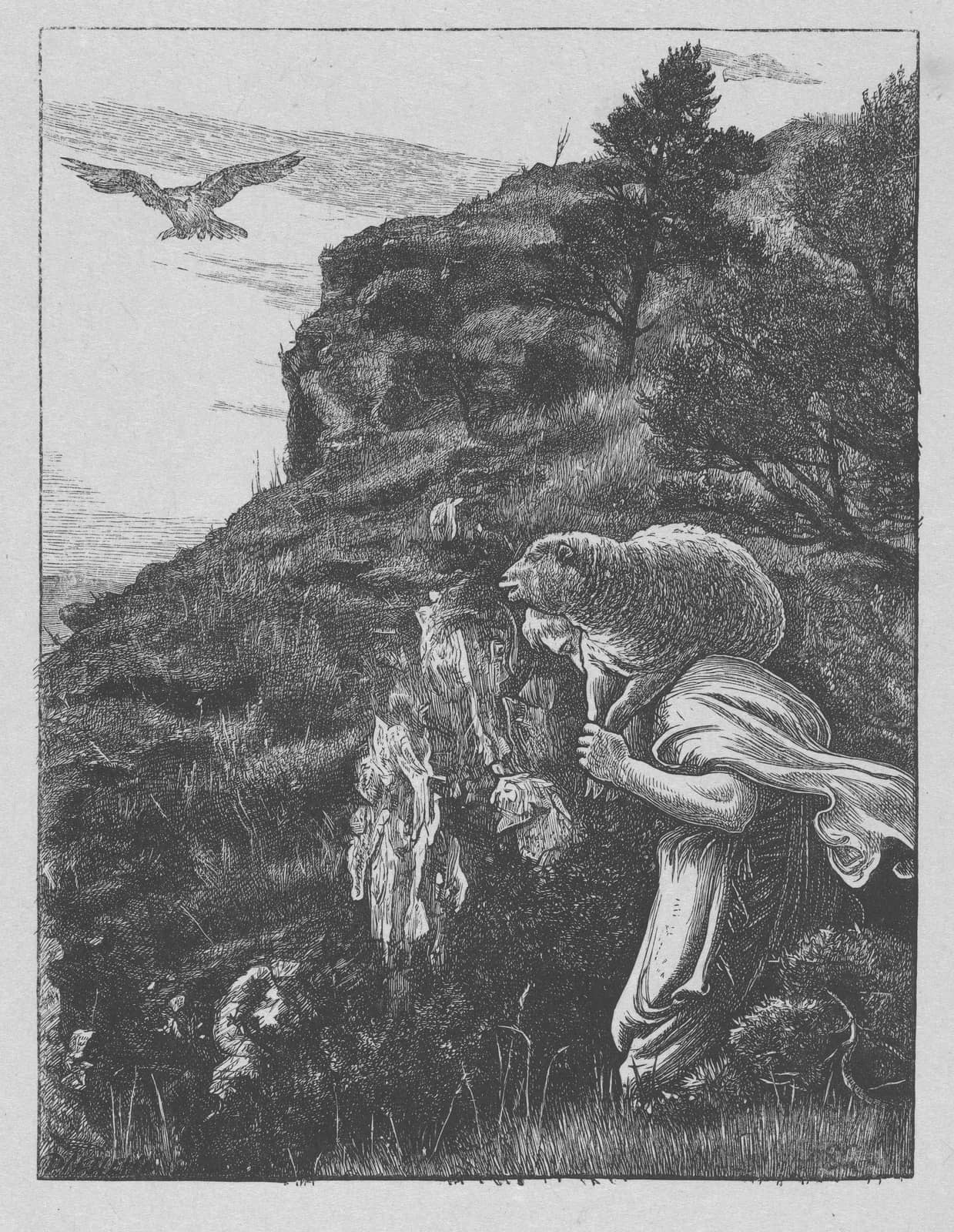
A shepherd carries the lost sheep
Sir John Everett Millais (1829–1896), The Lost Sheep, from The Parables of Our Lord and Saviour Jesus Christ, 1864. Credits

Email view of this day