This day

September 17, 2029

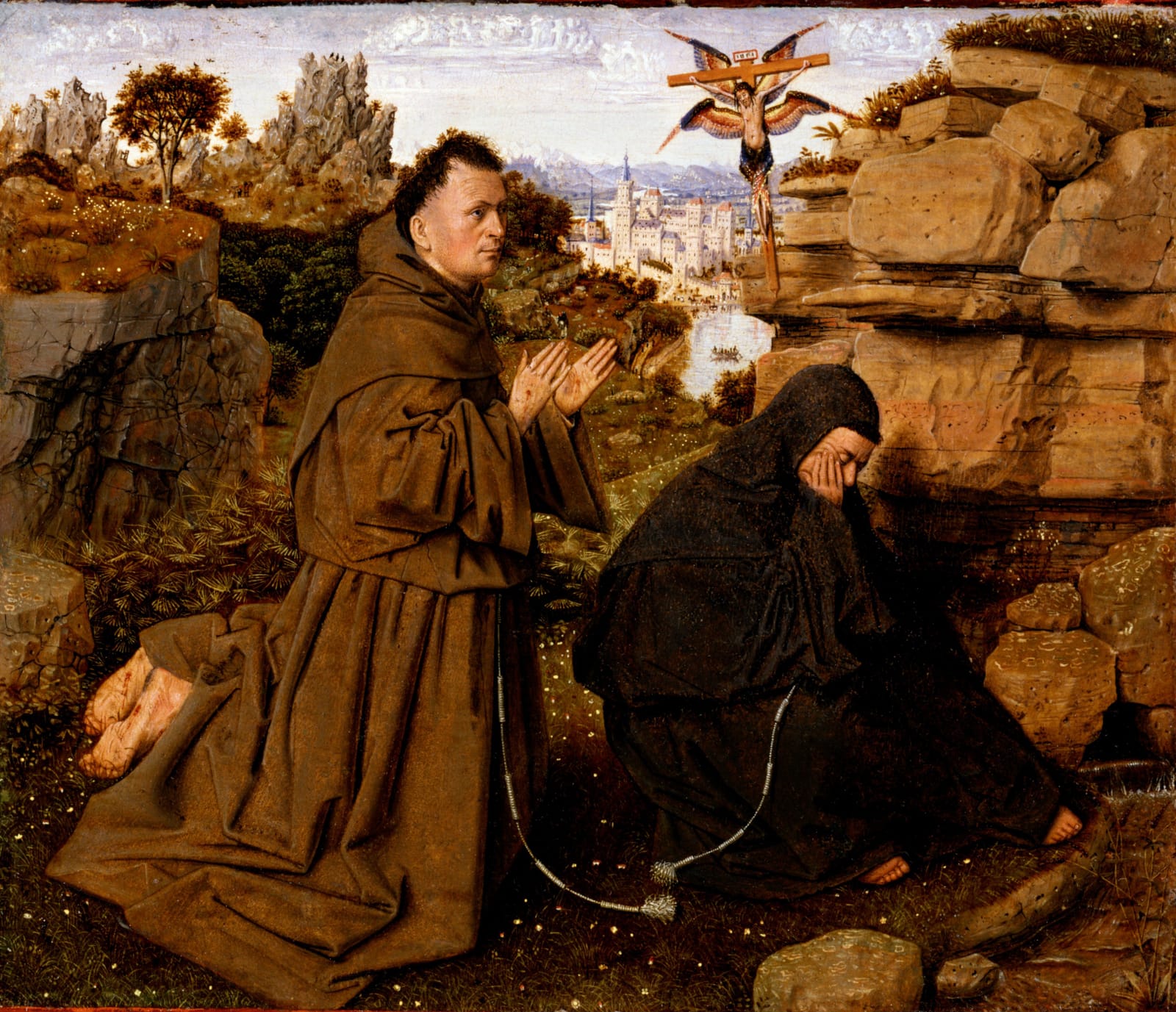
Saint Francis of Assisi Receiving the Stigmata
Saint Francis of Assisi Receiving the Stigmata, Jan van Eyck (1390–1441, attributed), c. 1428–1432. Credits

After Pentecost

September 17, 2029

A Double leads; St. Hildegarde of Bingen is commemorated.Rubric

September 17: The Stigmata of St. Francis

From Dom Guéranger’s The Liturgical Year.

The great patriarch of Assisi will soon appear a second time in the holy liturgy, and we shall praise God for the marvels wrought in him by divine grace. The subject of to-day’s feast, while a personal glory to St. Francis, is of greater importance for its mystical signification.

The Man-God still lives in the Church by the continual reproduction of His mysteries in this His bride, making her a faithful copy of Himself. In the thirteenth century, while the charity of the many had grown cold, the divine fire burned with redoubled ardour in the hearts of a chosen few. It was the hour of the Church’s passion; the beginning of that series of social defections, with their train of denials, treasons, and derisions, which ended in the proscription we now witness. The cross had been exalted before the eyes of the world: the bride was now to be nailed thereto with her divine Spouse, after having stood with Him in the pretorium exposed to the insults and blows of the multitude.

Like an artist selecting a precious marble, the holy Spirit chose the flesh of the Assisian seraph as the medium for the expression of His divine thought.
Chapter 8: Of the Office of Compline for Sundays and Feasts during the Time after Pentecost

From Dom Guéranger’s The Liturgical Year.

This Office, which concludes the day, commences by a warning of the dangers of the night; then immediately follows the public confession of our sine, as a powerful means of propitiating the divine justice, and of obtaining God’s help, now that we are going to spend so many hours in the unconscious, and therefore dangerous, state of sleep, which is also such an image of death.

May the almighty Lord grant us a quiet night, and a perfect end.
℟. Amen.

The lector then reads these words, from the first Epistle of St. Peter: Fratres: Sobrii estote et vigilate: quia adversarius vester diabolus tamquam leo rugiens circuit, quærens quem devoret: cui resistite fortes in fide. Tu autem, Domine, miserere nobis.

Brethren, be sober and watch: because your adversary the devil, as a roaring lion, goeth about seeking whom he may devour: whom resist ye, strong in faith. But thou, O Lord, have mercy on us.

Then the Lord’s Prayer is recited in secret; after which the priest says the Confiteor, and when he has finished, the choir repeats it. The priest, having pronounced the general form of absolution, says:

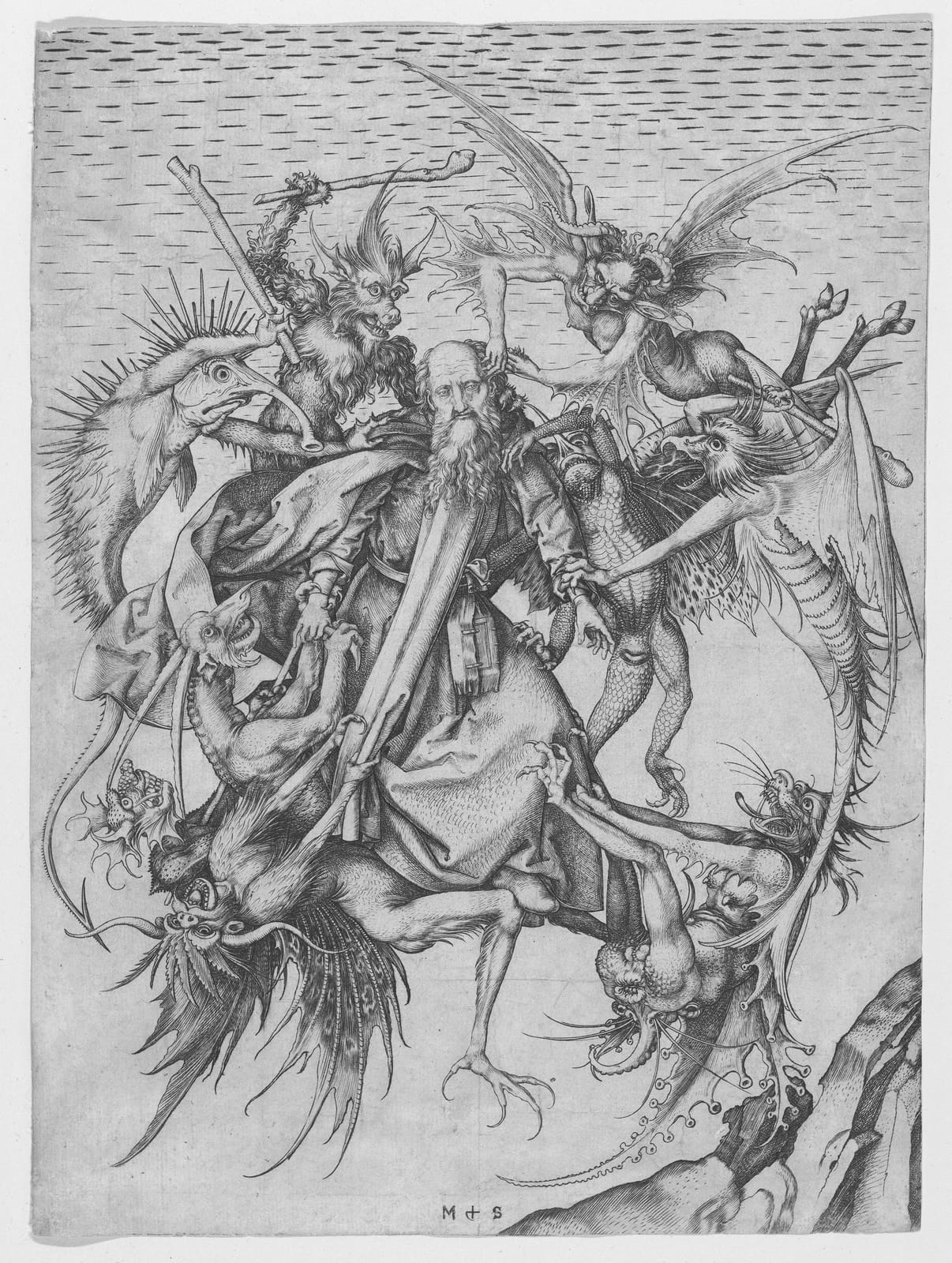
Saint Anthony tormented by demons
Martin Schongauer (ca. 1435/50–1491), Saint Anthony Tormented by Demons, ca. 1470–75. Credits

Email view of this day