This day

February 2, 2019

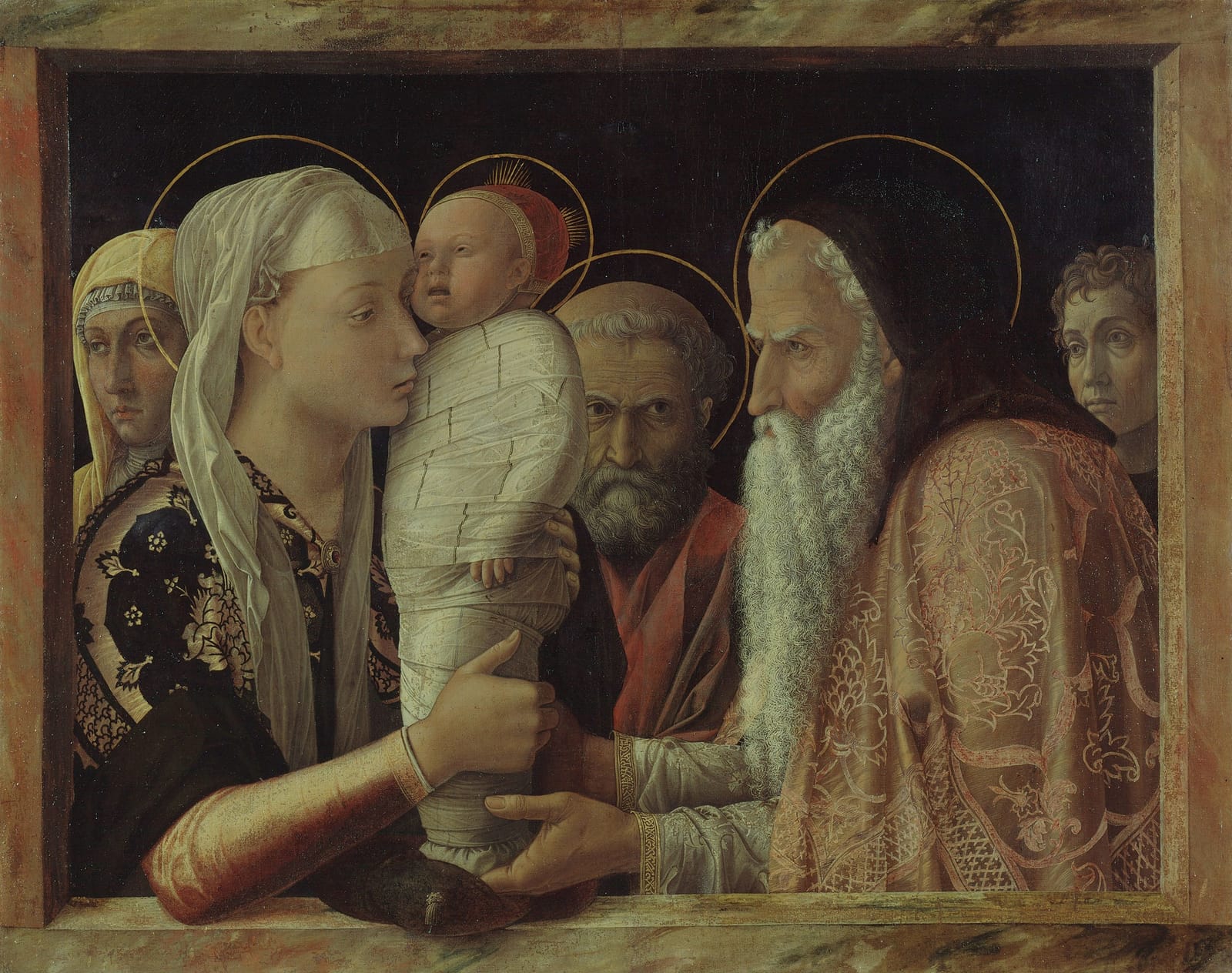
Presentation in the Temple
Presentation in the Temple, Andrea Mantegna (1431–1506), c. 1454. Credits

Epiphanytide

February 2, 2019

February 2: The Purification of the Blessed Virgin

From Dom Guéranger’s The Liturgical Year.

THE Forty Days of Mary's Purification are now completed, and she must go up to the Temple, there to offer to God her Child Jesus. Before following the Son and his Mother in this their mysterious journey, let us spend our last few moments at Bethlehem, in lovingly pondering over the mysteries at which we are going to assist.

The Law commanded that a woman who had given birth to a son should not approach the Tabernacle for the term of forty days; after which time she was to offer a sacrifice for her purification. She was to offer up a lamb as a holocaust, and a turtle-dove or pigeon as a sin-offering. But if she were poor, and could not provide a lamb, she was to offer in its stead a second turtle-dove or pigeon.

By another ordinance of the Law, every first-born son was to be considered as belonging to God, and was to be redeemed by five sides, each side weighing, according to the standard of the Temple, twenty obols.

Mary was a Daughter of Israel—she had given birth to Jesus—he was her First-born Son.

This week's Sunday: The Third Sunday after Epiphany

From Dom Guéranger’s The Liturgical Year.

THE variation of Easter Sunday necessitates almost every year a different arrangement of the Sundays after the Epiphany from that in which they stand in the Missal. Septuagesima often comes in January and the Feast of the Purification is occasionally later than Quinquagesima Sunday; hence the office of these four last Sundays may have to be transferred to another season of the liturgical cycle. We were obliged then to provide for these changes and simplify them for the Faithful by adopting our present plan. We have inserted here the third and fourth Sundays as usually falling in Christmastide, while the office of the fifth and sixth Sundays will be found in the volumes of Septuagesima and the second after Pentecost, this latter season being the one in which they are most frequently kept.

The Introit represents the Angels of God adoring him on his entrance into this world, as St Paul explains this passage of the Psalms. The Church celebrates with David the gladness of Sion, and the joy of the daughters of Juda.

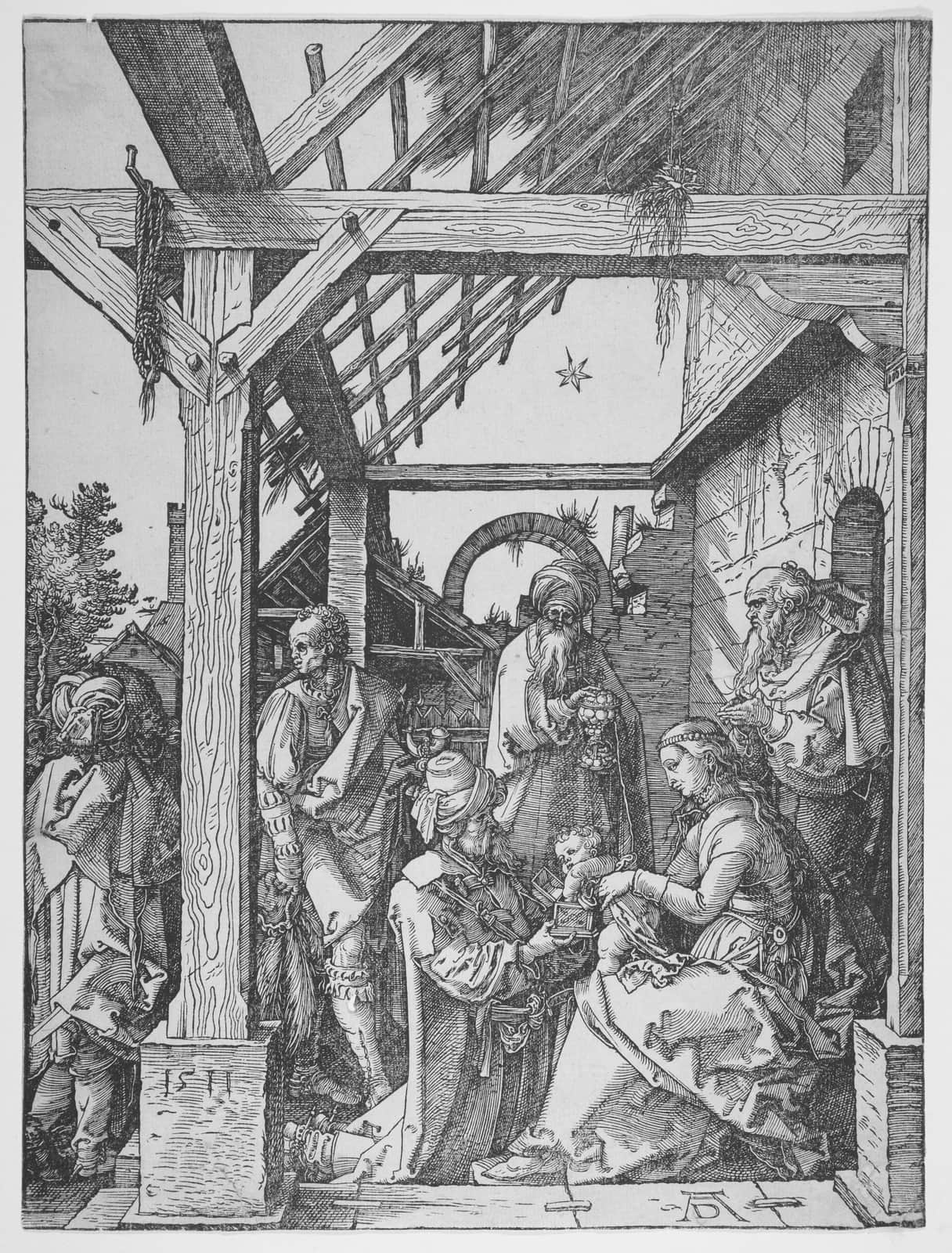
The Adoration of the Magi: the three kings offer gifts to the clothed Christ Child
Albrecht Dürer (1471–1528), The Adoration of the Magi, 1511. Credits

Email view of this day