This day

May 26, 2019

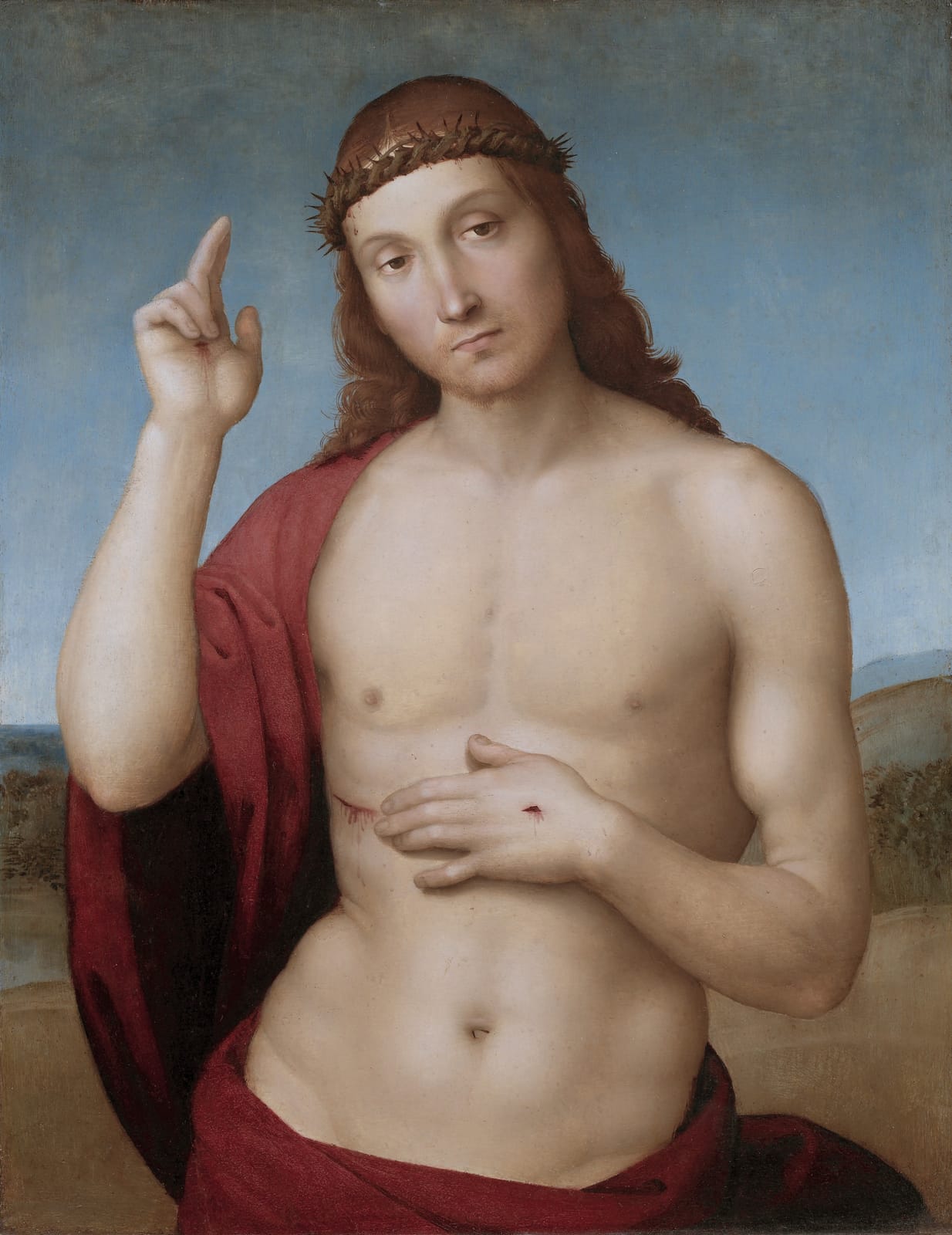
The risen Christ, bare-chested with side wound, raises his right hand in blessing
Christ Blessing (Pax Vobiscum), Raphael (1483–1520), c. 1505. Credits

Paschal Time

May 26, 2019

The Fifth Sunday after Easter

From Dom Guéranger’s The Liturgical Year.

Yet four days, and our risen Jesus, whose company has been so dear and precious to us, will have disappeared from the earth. This fifth Sunday after Easter seems to prepare us for the separation. In a week’s time, we shall begin the long series of Sundays which are to pass before He returns to judge the world. This is a grief to the Christian; for he knows that he will not see his Saviour until after this life, and he feels something of the sorrow the apostles had at the last Supper, when Jesus said to them: ‘Yet a little while, and ye shall not see Me.’

But, after His Resurrection, what must these privileged men have felt, when they perceived, as we do, that this beloved Master was soon to leave them! They had, so to speak, been living with Jesus glorified; they had experienced the effects of His divine condescension and intimacy; they had received from His lips every instruction they needed for the fulfilment of His will, that is, for founding on earth the Church He had chosen as His spouse.
Chapter 1: The History of Paschal Time

From Dom Guéranger’s The Liturgical Year.

WE give the name of Paschal Time to the period between Easter Sunday and the Saturday following Whit Sunday. It is the most sacred portion of the liturgical year, and the one towards which the whole cycle converges. We shall easily understand how this is, if we reflect upon the greatness of Easter, which is called the feast of feasts, and the solemnity of solemnities, in the same manner, says St. Gregory, as the most sacred part of the Temple was called the Holy of holies; and the book of sacred scripture, wherein are described the espousals between Christ and the Church, is called the Canticle of Canticles. It is on this day that the mission of the Word Incarnate attains the object towards which it has hitherto been tending: man is raised up from his fall and regains what he had lost by Adam’s sin.

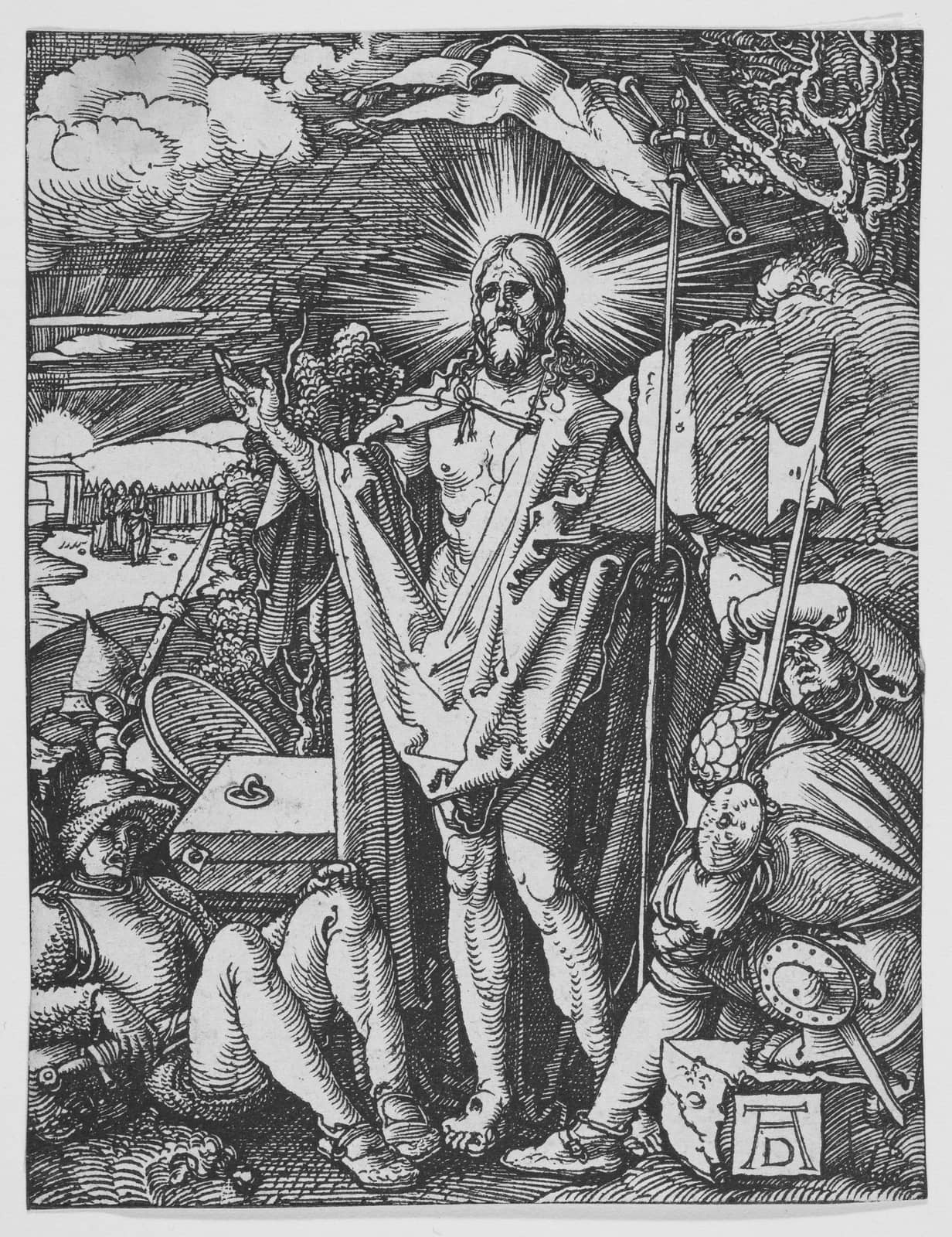
The risen Christ stepping from the tomb
Albrecht Dürer (1471–1528), The Resurrection, from The Small Passion, ca. 1510. Credits

Email view of this day