This day

May 27, 2019

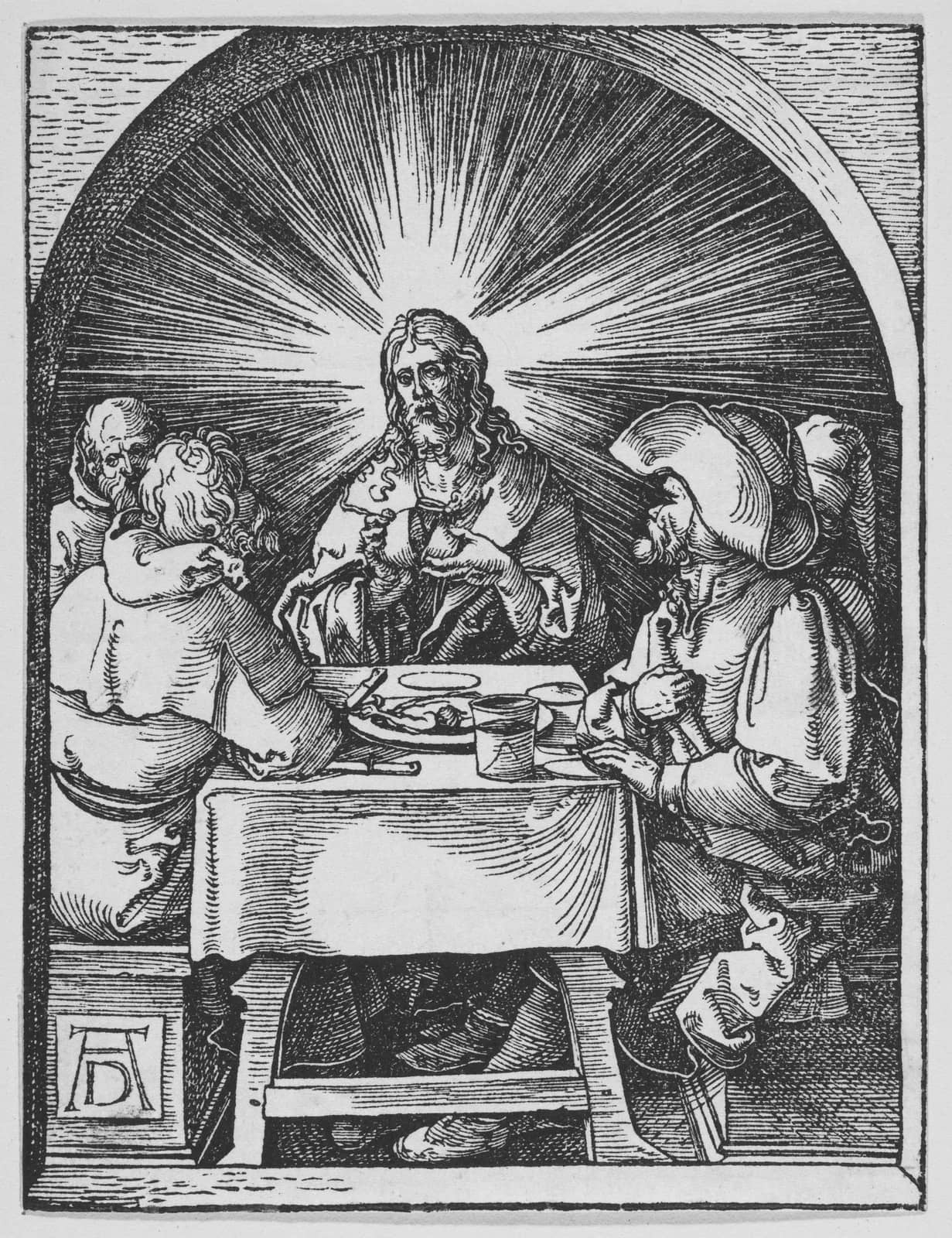
The risen Christ breaking bread with two disciples at Emmaus
Christ in Emmaus, Albrecht Dürer (1471–1528), ca. 1510. Credits

Paschal Time

May 27, 2019

Rogation Days: Monday

From Dom Guéranger’s The Liturgical Year.

It seems strange that there should be anything like mourning during Paschal Time: and yet these three days are days of penance. A moment’s reflection, however, will show us that the institution of the Rogation days is a most appropriate one. True, our Saviour told us, before His Passion, that ‘the children of the Bridegroom should not fast whilst the Bridegroom is with them’: but is not sadness in keeping with these the last hours of Jesus’ presence on earth? Were not His Mother and disciples oppressed with grief at the thought of their having so soon to lose Him, whose company had been to them a foretaste of heaven?

Let us see how the liturgical year came to have inserted in its calendar these three days, during which holy Church, though radiant with the joy of Easter, seems to go back to her lenten observances. The Holy Ghost, who guides hex in all things, willed that this completion of her paschal liturgy should owe its origin to a devotion peculiar to one of the most illustrious and venerable Churches of southern Gaul, the Church of Vienne.

Chapter 2: The Mystery of Paschal Time

From Dom Guéranger’s The Liturgical Year.

OF all the seasons of the liturgical year Eastertide is by far the richest in mystery. We might even say that Easter is the summit of the Mystery of the sacred Liturgy. The Christian who is happy enough to enter, with his whole mind and heart, into the knowledge and love of the Paschal Mystery, has reached the very centre of the supernatural life. Hence it is that the Church uses every effort in order to effect this: what she has hitherto done was all intended as a preparation for Easter. The holy longings of Advent, the sweet joys of Christmas, the severe truths of Septuagesima, the contrition and penance of Lent, the heart-rending sight of the Passion—all were given us as preliminaries, as paths, to the sublime and glorious Pasch, which is now ours.

And that we might be convinced of the supreme importance of this solemnity, God willed that the Christian Easter and Pentecost should be prepared by those of the Jewish Law—a thousand five hundred years of typical beauty prefigured the reality: and that reality is ours!

The risen Christ breaking bread with two disciples at Emmaus
Albrecht Dürer (1471–1528), Christ in Emmaus, from The Small Passion, ca. 1510. Credits

Email view of this day