This day

September 20, 2019

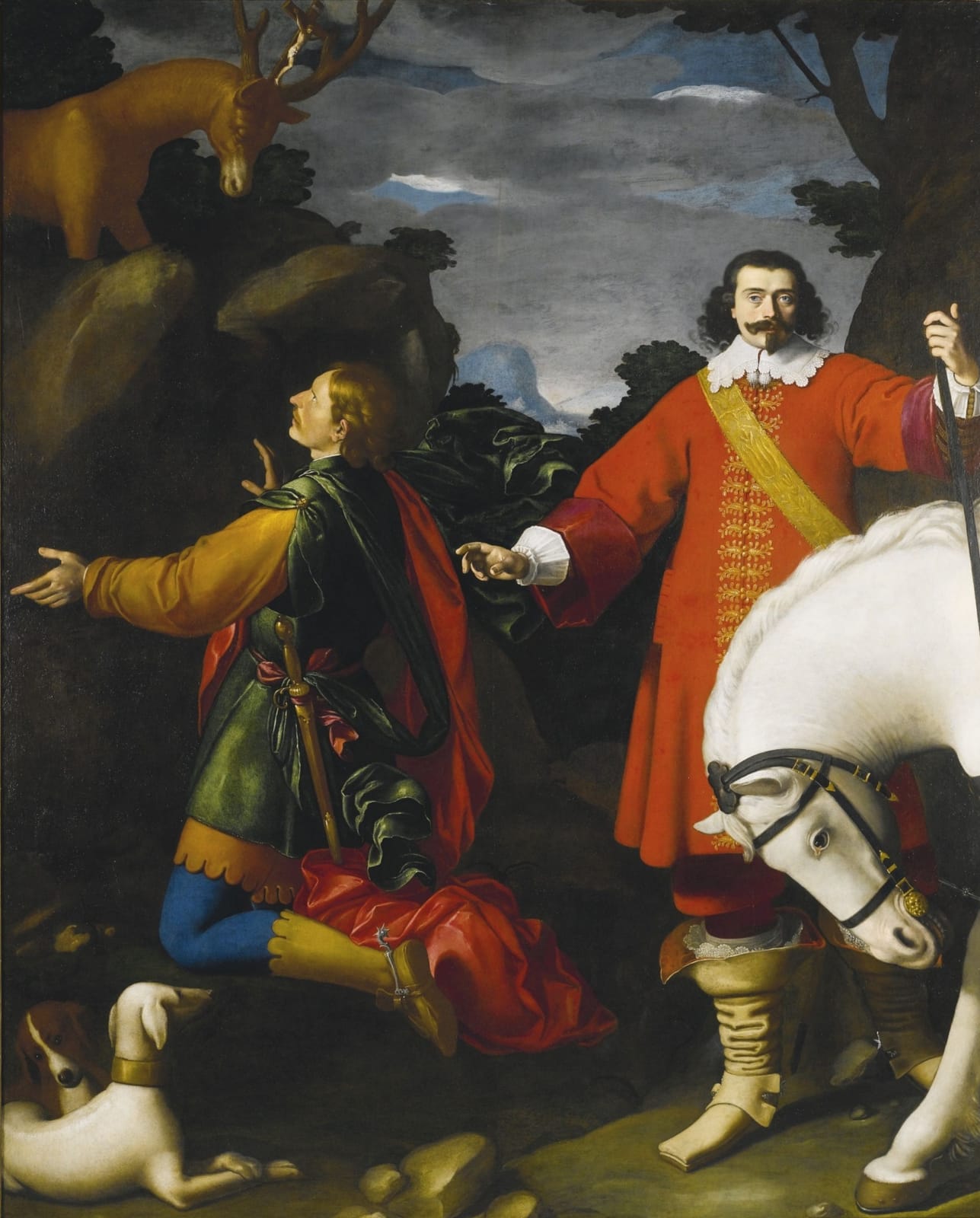
The Vision of Saint Eustace, with a Portrait of the Donor beside his Horse
The Vision of Saint Eustace, with a Portrait of the Donor beside his Horse, Carlo Ceresa (1609–1679), c. 1640. Credits

After Pentecost

September 20, 2019

September 20: St. Eustace and His Companions, Martyrs

From Dom Guéranger’s The Liturgical Year.

The twentieth of September marks one of the saddest events in history. At the height of her power, in the glorious days of Pepin and Charlemagne, the eldest daughter of the Church had crowned her mother; and the Church, in the person of her Head, reigned in reality, as well as by right, until, a thousand years later, satan took advantage of the fallen state of France to despoil Peter of the patrimony which ensured his independence. The holy cross is still shedding its rays upon us!

To-day a group of martyrs, and this time a whole family, father, mother, and sons, take up their position around the standard of salvation. While the antiquity of their cultus in both east and west rests on the best authority, the details of their life are extremely vague. Could Placid the tribune, whose exploits are recorded by Josephus in his Wars of the Jews, be the same as the Eustace we are celebrating to-day? Does the genealogy of our saint connect him with the Octavia family, from which Augustus sprang? Again are we to recognize as his direct descendant the noble Tertullus, who confided to St. Benedict his son Placid, the favourite child of the holy patriarch, and the proto-martyr of the Benedictine Order?
Chapter 7: On the Office of Vespers for Sundays and Feasts during the Time after Pentecost

From Dom Guéranger’s The Liturgical Year.

The Office of Vespers, or Evensong, consists firstly of the five following psalms. For certain feasts some of these psalms are changed for others, which are more appropriate to those occasions.

After the Pater and Ave have been said in secret, the Church commences this Hour with her favourite supplication:
℣. Deus, in adjutorium meum intende.
℟. Domine, ad adjuvandum me festina.
℣. Gloria Patri, et Filio, et Spiritui Sancto.
℟. Sicut erat in principio, et nunc et semper, et in sæcula sæculorum. Amen. Alleluia.

Ant. Dixit Dominus.

℣. Incline unto mine aid, O God.
℟. O Lord, make haste to help me.
℣. Glory be to the Father, and to the Son, and to the Holy Ghost.
℟. As it was in the beginning, is now, and ever shall be, world without end. Amen. Alleluia.

Ant. The Lord said.

The first psalm is a prophecy of the future glories of the Messias. The Son of David shall sit on the right hand of the heavenly Father. He is King; He is Priest; He is the Son of Man, and the Son of God.

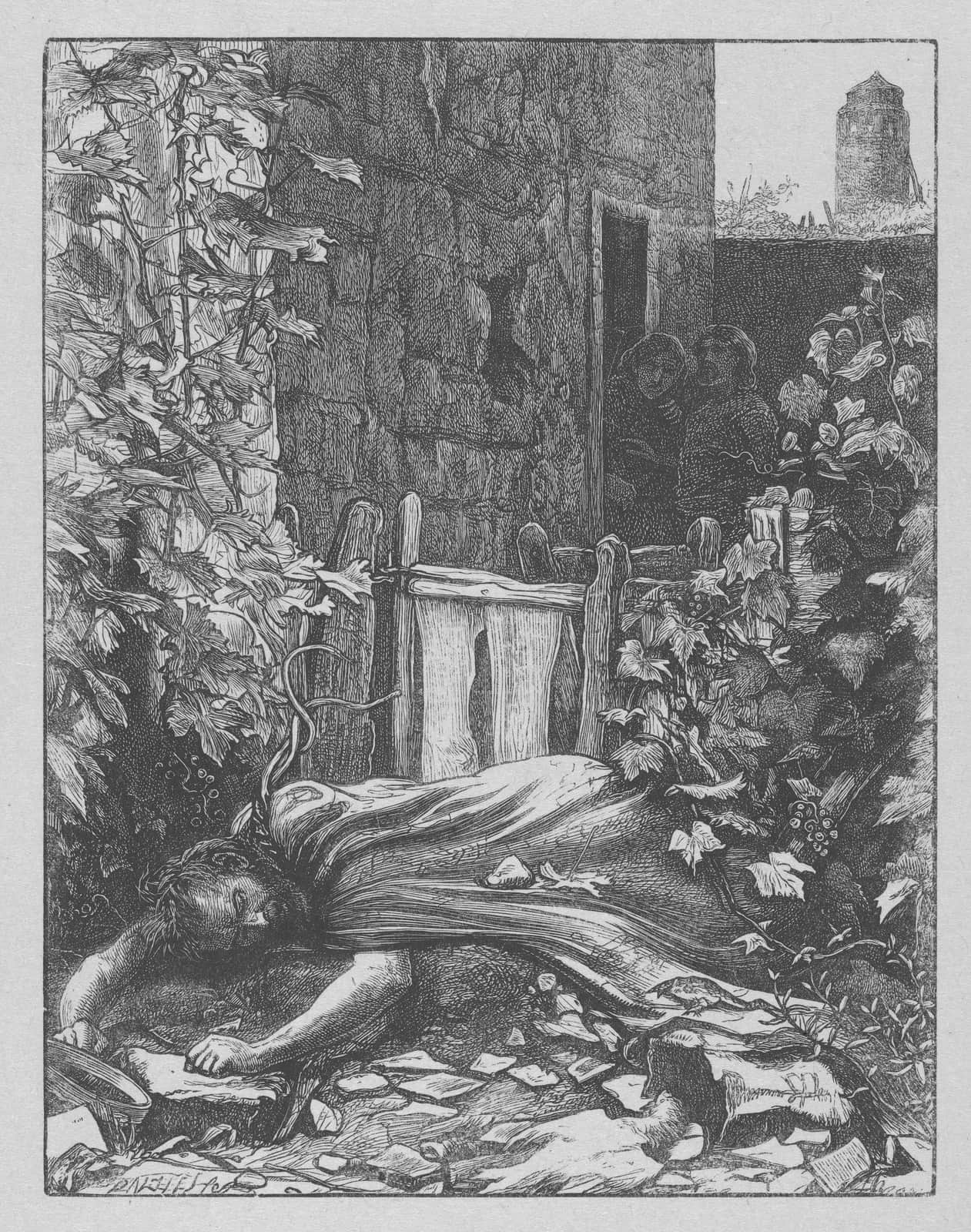
The parable of the wicked husbandmen
Sir John Everett Millais (1829–1896), The Wicked Husbandmen, from The Parables of Our Lord and Saviour Jesus Christ, 1864. Credits

Email view of this day