This day

November 17, 2019

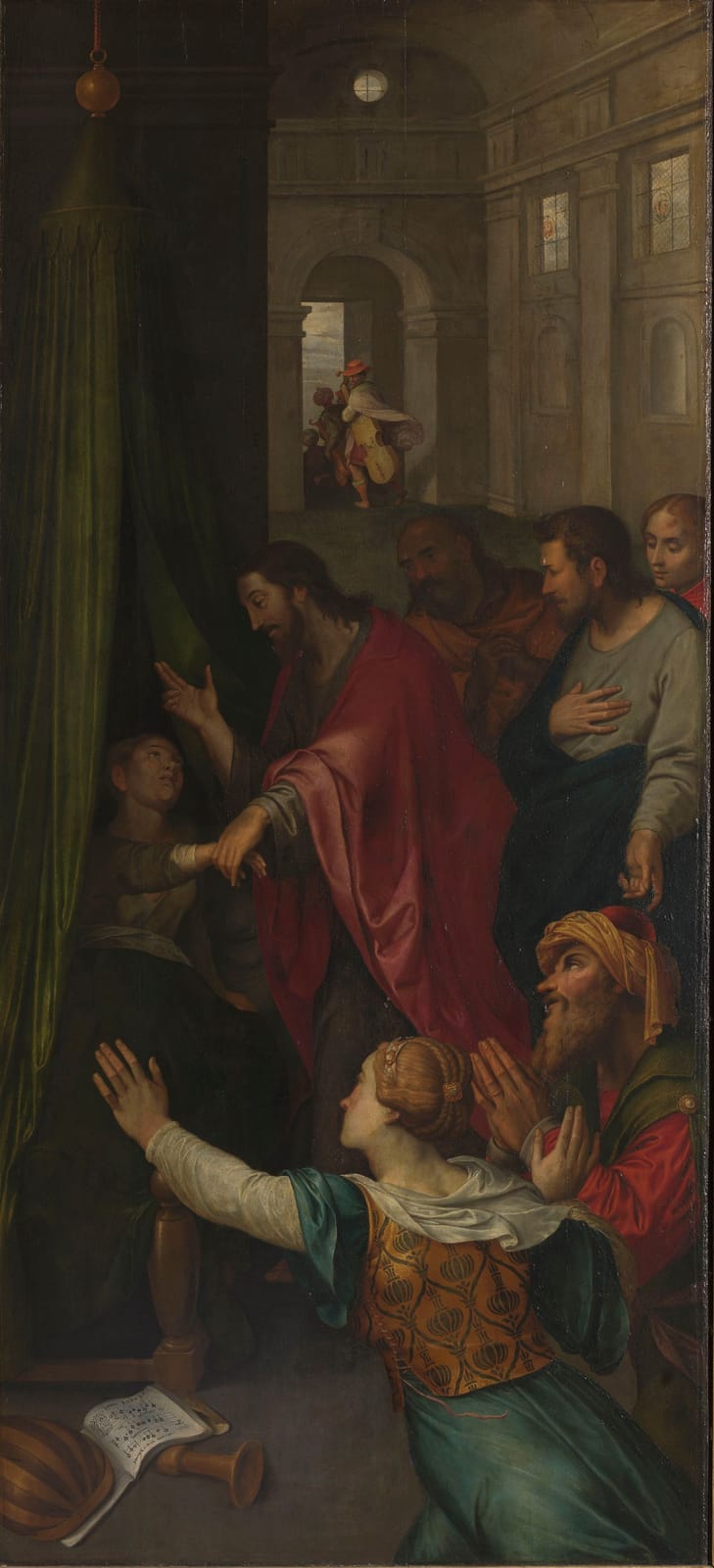
Raising of Jairus Daughter
Raising of Jairus Daughter, Ambrosius Francken I, c. 1600. Credits

After Pentecost

November 17, 2019

The Twenty-Third Sunday after Pentecost

From Dom Guéranger’s The Liturgical Year.

When the number of the Sundays after Pentecost is only twenty-three, the Mass for to-day is taken from the twenty-fourth and last Sunday; and the Mass appointed for the twenty-third is said on the previous Saturday, or on the nearest day of the preceding week which is not impeded by a double or semi-double feast.

But, under all circumstances, the antiphonary ends to-day. The Introits, Graduals, Communions, and Postcommunions, which are given below, are to be repeated on each of the Sundays till Advent, which vary in number each year. Our readers will remember that, in the time of St. Gregory, Advent was longer than we now have it; and that, in those days, its weeks commenced in that part of the cycle which is now occupied by the last Sundays after Pentecost. This is one of the reasons for the lack of liturgical riches in the composition of the dominical Masses which follow the twenty-third.

Even on this one, the Church, without losing sight of the last day, used to lend a thought to the new season which was fast approaching, the season, that is, of preparation for the great feast of Christmas.
Chapter 8: Of the Office of Compline for Sundays and Feasts during the Time after Pentecost

From Dom Guéranger’s The Liturgical Year.

This Office, which concludes the day, commences by a warning of the dangers of the night; then immediately follows the public confession of our sine, as a powerful means of propitiating the divine justice, and of obtaining God’s help, now that we are going to spend so many hours in the unconscious, and therefore dangerous, state of sleep, which is also such an image of death.

May the almighty Lord grant us a quiet night, and a perfect end.
℟. Amen.

The lector then reads these words, from the first Epistle of St. Peter: Fratres: Sobrii estote et vigilate: quia adversarius vester diabolus tamquam leo rugiens circuit, quærens quem devoret: cui resistite fortes in fide. Tu autem, Domine, miserere nobis.

Brethren, be sober and watch: because your adversary the devil, as a roaring lion, goeth about seeking whom he may devour: whom resist ye, strong in faith. But thou, O Lord, have mercy on us.

Then the Lord’s Prayer is recited in secret; after which the priest says the Confiteor, and when he has finished, the choir repeats it. The priest, having pronounced the general form of absolution, says:

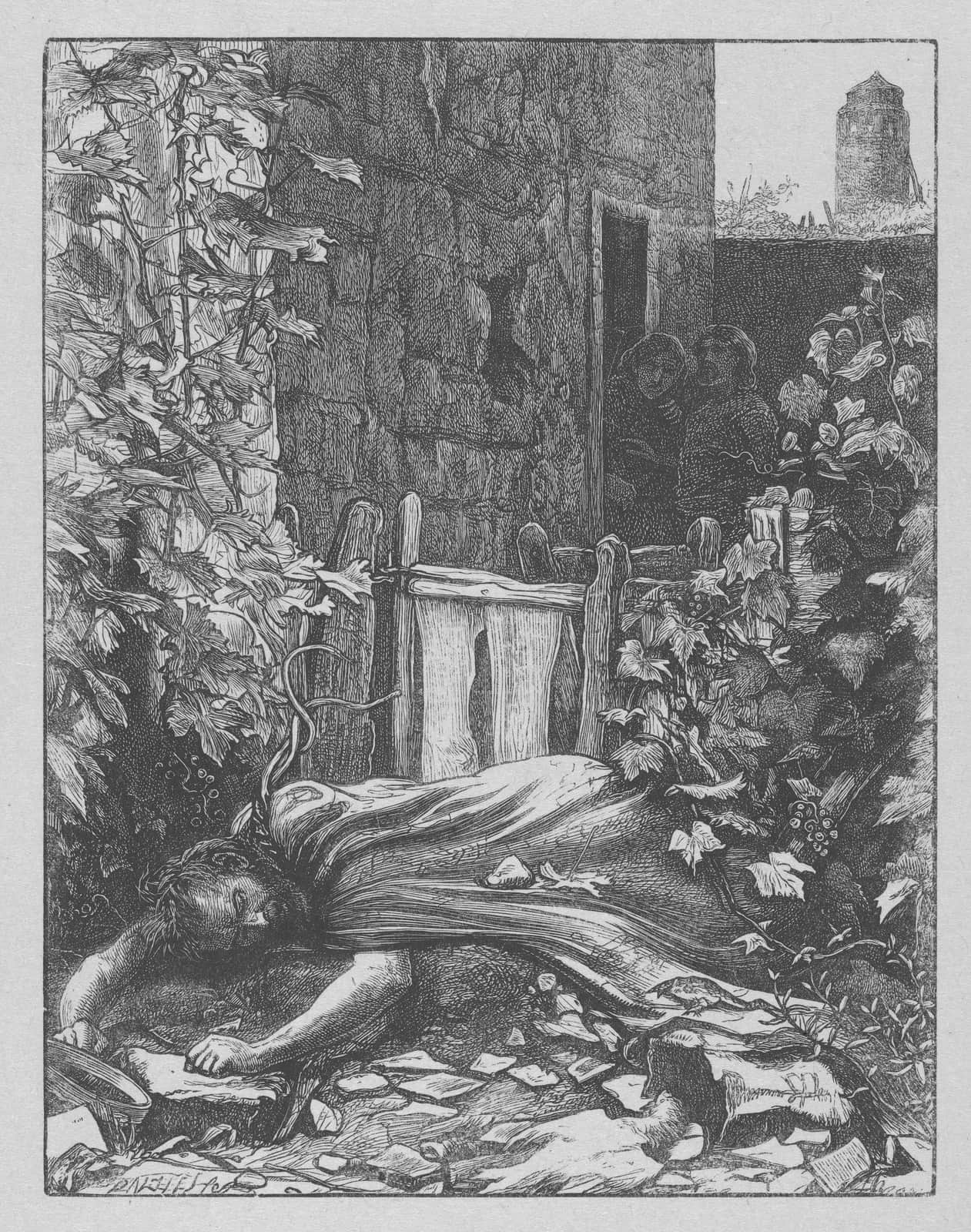
The parable of the wicked husbandmen
Sir John Everett Millais (1829–1896), The Wicked Husbandmen, from The Parables of Our Lord and Saviour Jesus Christ, 1864. Credits

Email view of this day