This day

February 24, 2020

Saint Matthias
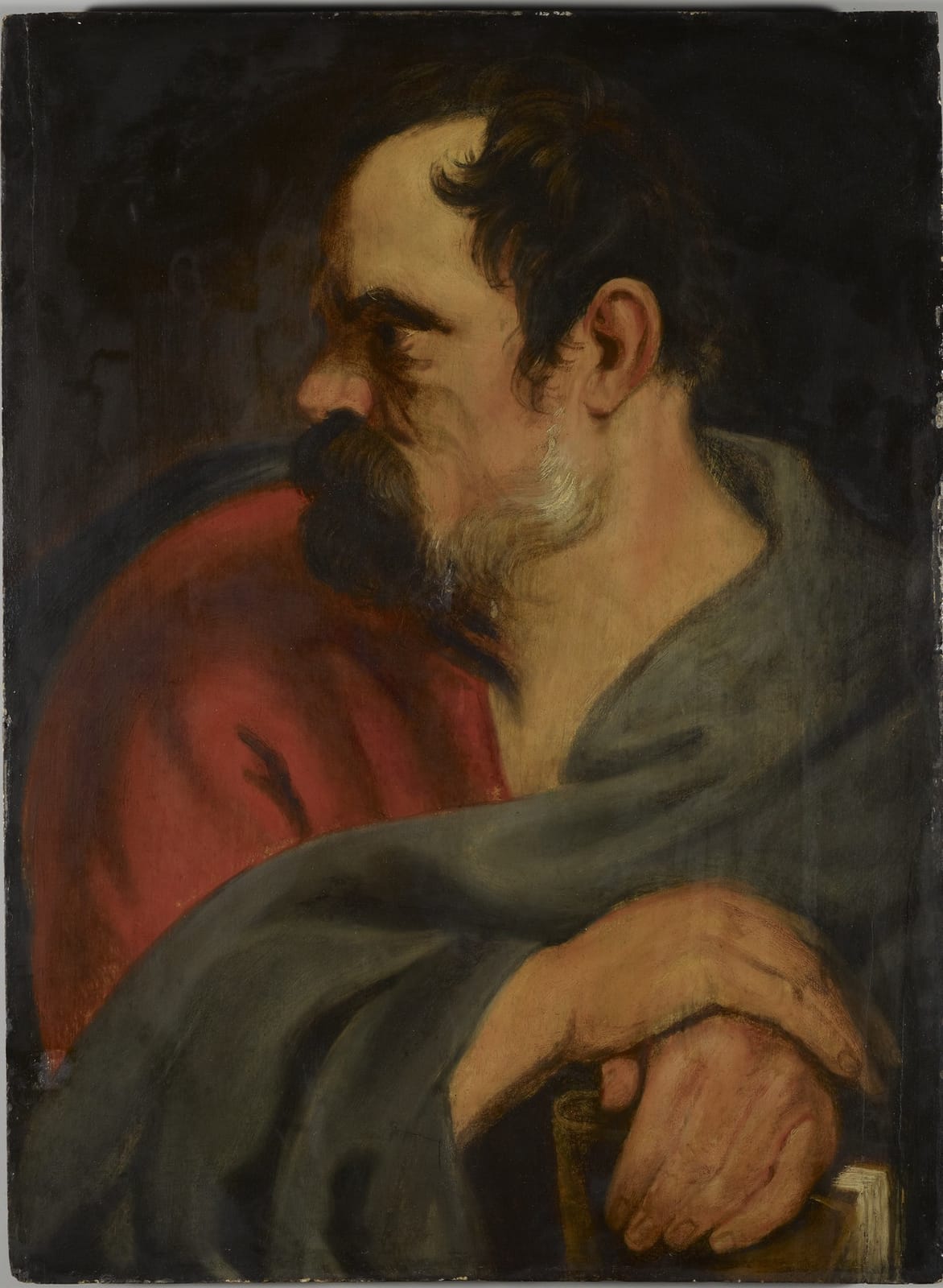
Saint Matthias, Anthony van Dyck (1599–1641), c. 1619–1621. Credits

Septuagesima

February 24, 2020

A Double of the II Class leads the weekday.Rubric

February 24: St. Mathias, Apostle

From Dom Guéranger’s The Liturgical Year.

In leap-year, the feast of St Mathias is kept on February 25.

An apostle of Jesus Christ, St. Mathias, is one of the blessed choir which the Church would have us honour during the season of Septuagesima. Mathias was one of the first to follow our Saviour; and he was an eye-witness of all His divine actions up to the very day of the Ascension. He was one of the seventy-two disciples; but our Lord had not conferred upon him the dignity of an apostle. And yet, he was to have this great glory, for it was of him that David spoke, when he prophesied that another should take the bishopric left vacant by the apostasy of Judas the traitor. In the interval between Jesus’ Ascension and the descent of the Holy Ghost, the apostolic college had to complete the mystic number fixed by our Lord Himself, so that there might be the twelve on that solemn day, when the Church, filled with the Holy Ghost, was to manifest herself to the Synagogue. The lot fell on Mathias; he shared with his brother-apostles the persecution in Jerusalem, and, when the time came for the ambassadors of Christ to separate, he set out for the countries allotted to him.

Monday of Quinquagesima Week

From Dom Guéranger’s The Liturgical Year.

The life of a faithful Christian, like that of the patriarch Abraham, is neither more nor less than a courageous journeying onwards to the place destined for him by his Creator. He must put aside everything that could impede his progress, nor must he look back. This is, undoubtedly, hard doctrine; but if we reflect, for a moment, on the dangers which surround fallen man during his earthly pilgrimage, and on what our own sad experience has taught us, we shall not think it hard or strange, that our Saviour has made the renouncing and denying of ourselves an essential condition of our salvation. But, independently of this, is it not far better to put our life under God’s guidance, than to keep it in our own? Are we so wise or so strong, as to be able to guide ourselves? We may resist as we please, but God is our sovereign Lord and Master; and by giving us free-will, whereby we may either resist His will or follow it, He has not abdicated His own infinite rights to His creatures’ obedience.

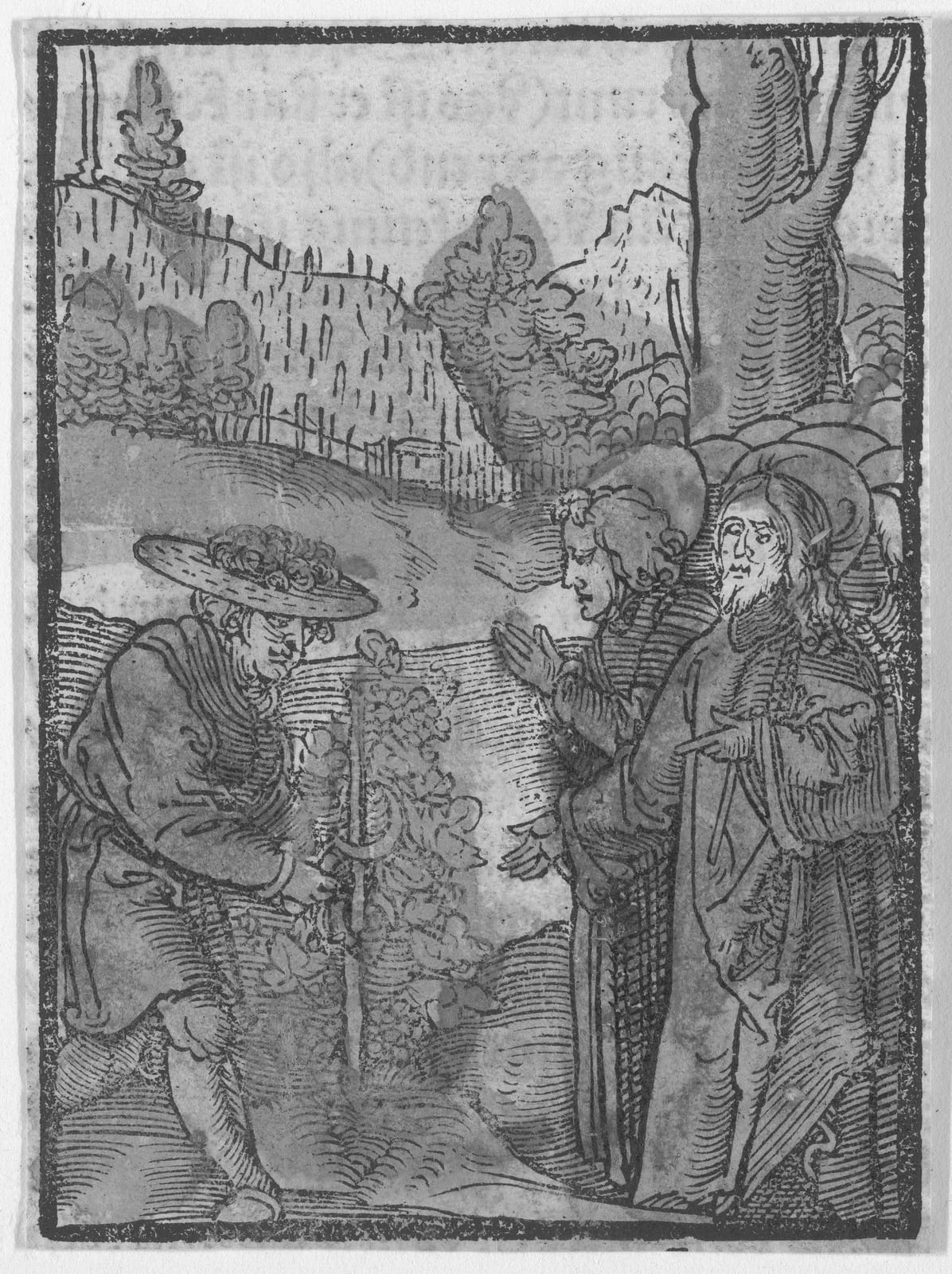
Christ points to a laborer working in a vineyard
Hans Schäufelein (1480–1540), The Parable of the Workers in the Vineyard, from Das Plenarium, 1517. Credits

Email view of this day