This day

June 23, 2020

After Pentecost

June 23, 2020

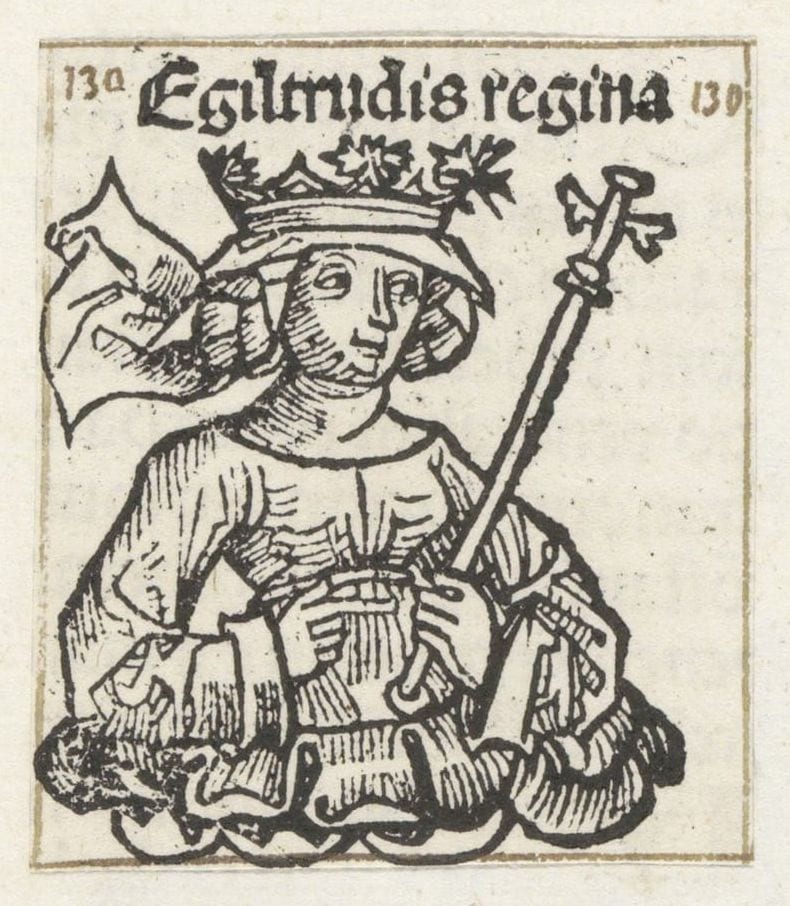
June 23: St. Etheldreda, Queen, Virgin, and Abbess

From Dom Guéranger’s The Liturgical Year.

ETHELDREDA, or Audrey, whom the Church offers to our veneration to-day, was one of the most popular saints among our English forefathers. She was bom in the middle of the seventh century, about a.d. 630, at Exning, near Newmarket, in Suffolk, and was the third daughter of Anna, the Christian king of East Anglia. In a meadow outside the village is still shown the brook in which, as village tradition tells us, the future queen and saint was baptized by St Felix, first bishop of Dunwich. Much against her will, for she had vowed herself to the religious life, she was given in marriage to Tondbert, a prince of East Anglia, who bestowed upon her the Isle of Ely as a dowry. He respected her vow, and on his death a short time after, she was married to Ecgfrid, king of Northumbria, with whom she lived twelve years in such manner as to keep all the while the glory of her virginal integrity, as St Bede the Venerable, to whom we owe the facts of her life, attests. She afterwards retired to the monastery of Coldingham, near Berwick-on-Tweed, where she was veiled a nun by St Wilfrid, bishop of York.
Chapter 6: On Holy Communion during the Time after Pentecost

From Dom Guéranger’s The Liturgical Year.

If, in the early stages of the liturgical year, in Advent, at Christmas, and during the periods of Septuagesima and Lent, when there was question of nothing beyond a preparation for the divine mysteries which wrought our salvation—if, in the name of holy Church, we then invited the faithful to have recourse to the sacrament of our Lord’s Body, as being the heavenly nourishment that would support them in the glorious career on which they had entered; now that the work is done, that they have risen again with their Redeemer, that they have followed Him, by their desires and their hopes, even to the very summit of heaven—now that the Holy Ghost has come down upon this earth, that He might complete within them the work of their union with God, surely, nothing could profit them more than that they nourish themselves, and even more frequently than before, with the Bread of life, which came from heaven, that He might give life to the world.

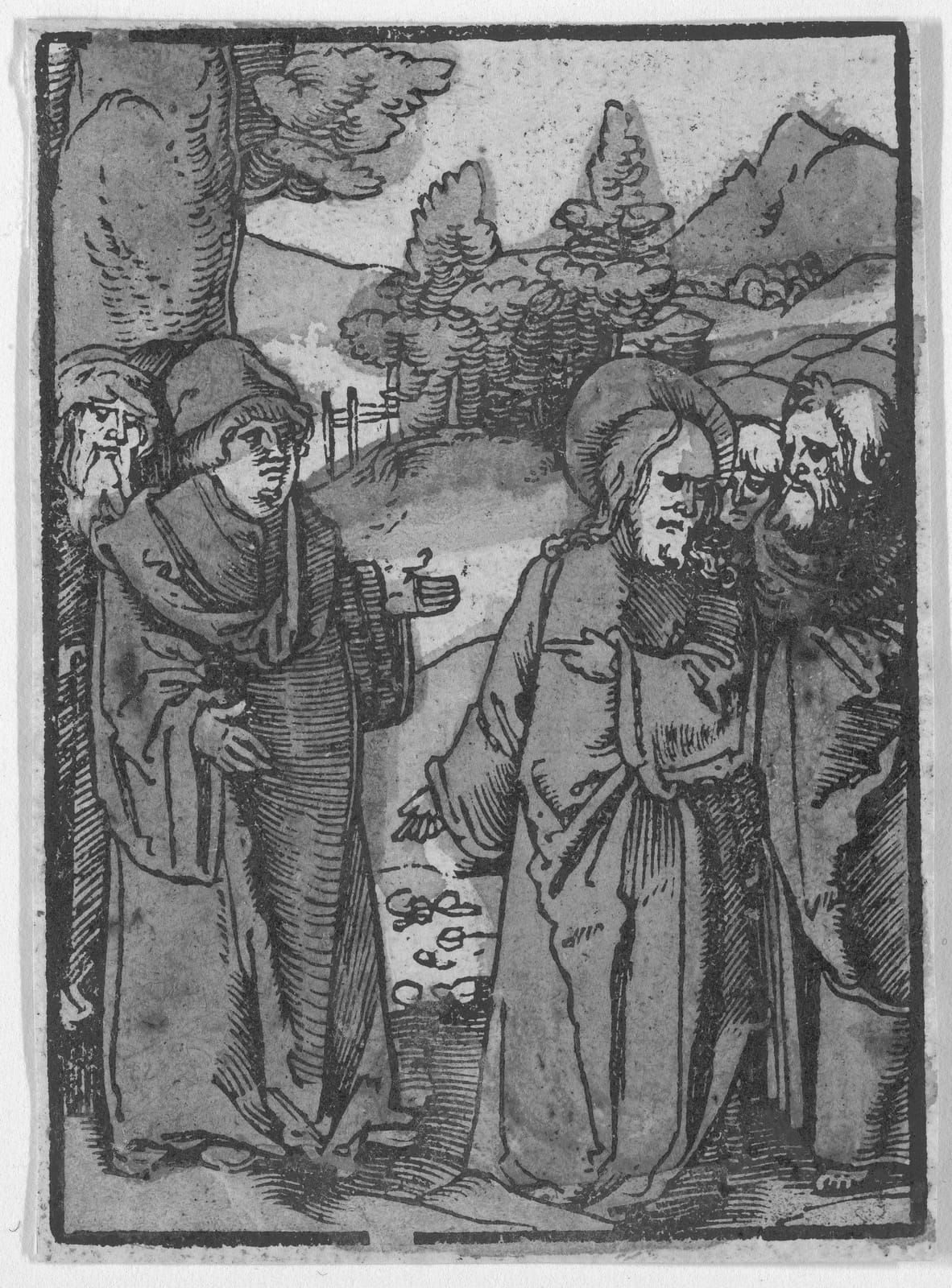
Christ warning the disciples against false prophets
Hans Schäufelein (1480–1540), Christ Warning the Disciples of False Prophets, from Das Plenarium, 1517. Credits

Email view of this day