This day

June 25, 2020

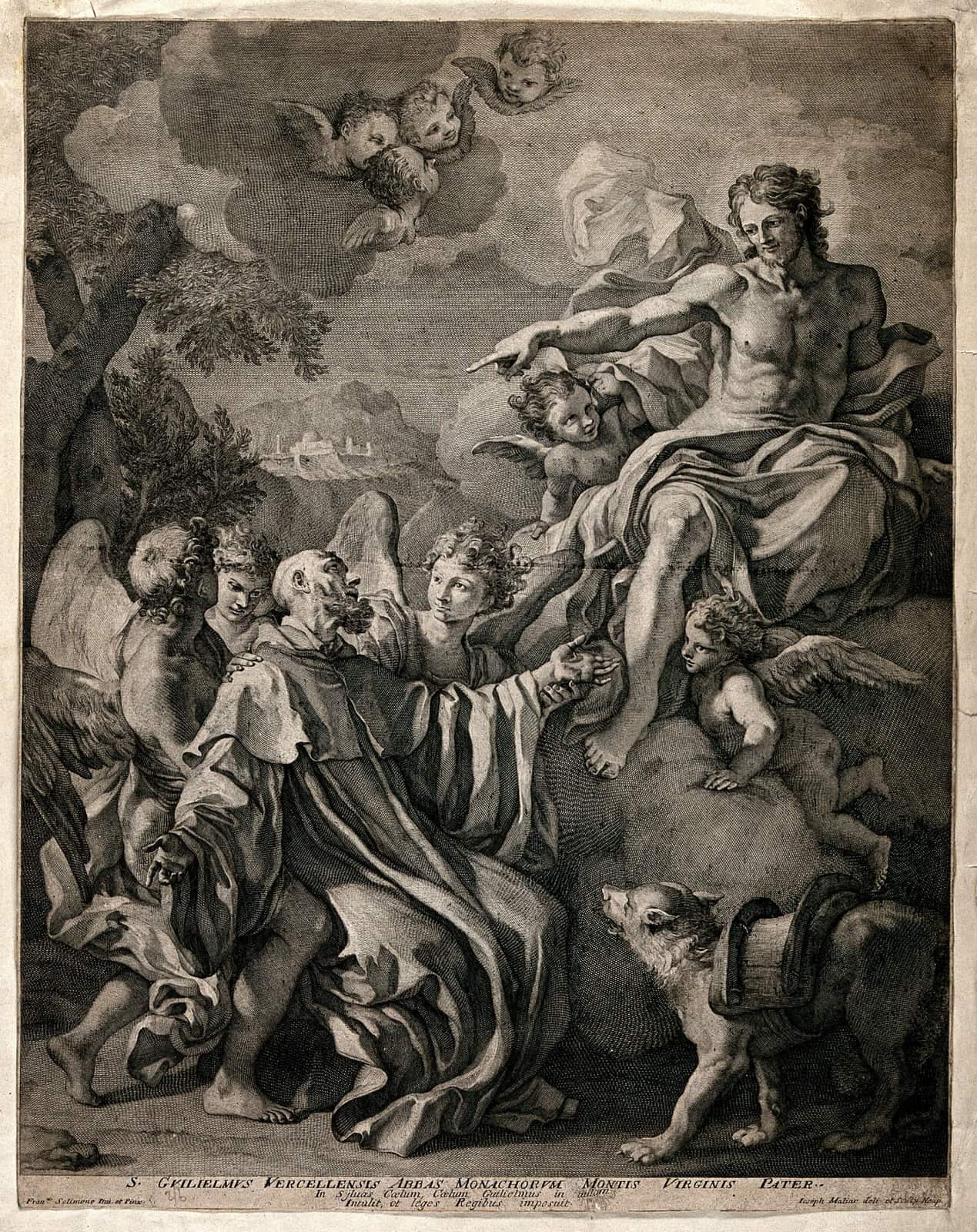
Saint William of Vercelli kneels before Christ, with the wolf of Montevergine
The Ecstasy of Saint William of Vercelli, Giuseppe Magliar, after Francesco Solimena (1657–1747), 18th century. Credits

After Pentecost

June 25, 2020

June 25: St. William, Abbot

From Dom Guéranger’s The Liturgical Year.

MARTYRS are numerous on the cycle during the octave of St John. But not only in martyrdom's peerless glory does our Lord reveal the power of his grace, or the victorious force of example left to the world by his Precursor. At the very outset we have presented to our homage one of those countless athletes of penance, who succeeded John in the desert; one of those who fleeing, like him, in early youth, a society wherein their souls’ foreboding told of only peril and annoy, consecrated a lifetime to Christ’s complete triumph within them over the triple concupiscence, thus bearing witness to the Lord, by deeds which the world ignores, but which make angels to rejoice and hell to tremble. William was one of the chiefs of this holy militia. The Order of Monte-Vergine, which owes its origin to him, has deserved well of the monastic institute and of the whole Church in the south of Italy, wherein God has been pleased, at different times, to raise up a dyke against the encroaching waves of sensual pleasures by the stern spectacle of austere virtue.

This week's Sunday: The Third Sunday after Pentecost

From Dom Guéranger’s The Liturgical Year.

The faithful soul has now witnessed in the holy liturgy the close of the mysteries of our redemption. The Holy Ghost has come down to support her during this second portion of her career, by forming and developing within her the fullness of the Christian life as taught by her divine Saviour when on earth. He begins by teaching her how to pray. Prayer, said our Lord, must be continual: we ought always to pray, and not to faint. We know not what we should pray for as we ought; but the holy Spirit helpeth our infirmity, and Himself asketh for us with unspeakable groanings.

In the Introit and the whole Mass for this Sunday, we are taught that prayer must have, amongst its other requisite qualities, that of humble repentance for our past sins, and of confidence in God’s infinite mercy.

This is the Third Sunday after Pentecost; it is the first that has no rubrical connexion with the great feasts we have been solemnizing; it is a Sunday with all the simplicity of the Office of the Time.

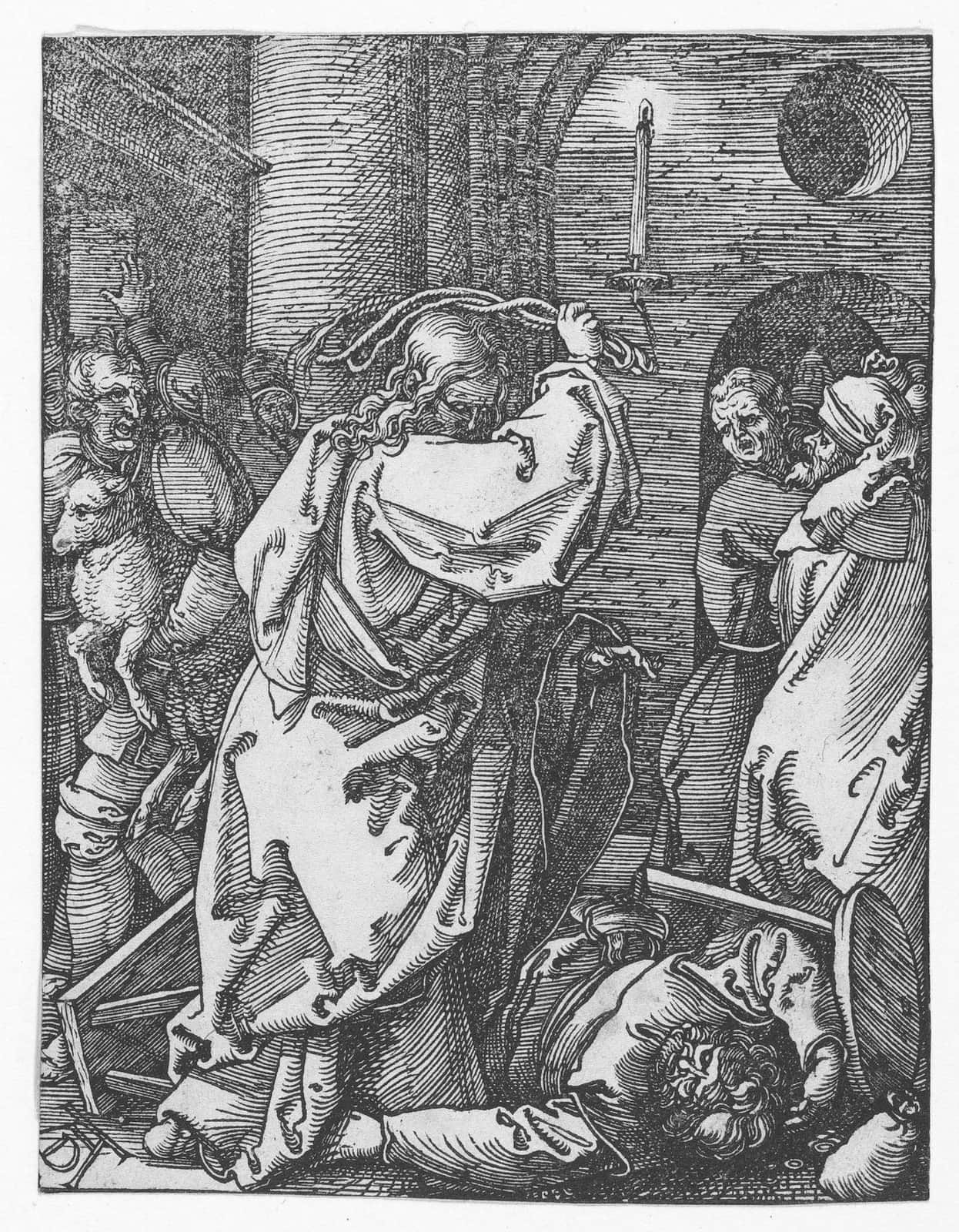
Christ driving the money-changers from the Temple
Albrecht Dürer (1471–1528), Christ Expelling the Money Lenders, from The Small Passion, ca. 1508. Credits

Email view of this day