This day

June 28, 2020

After Pentecost

June 28, 2020

June 28: The Vigil of the Holy Apostles Sts. Peter and Paul

From Dom Guéranger’s The Liturgical Year.

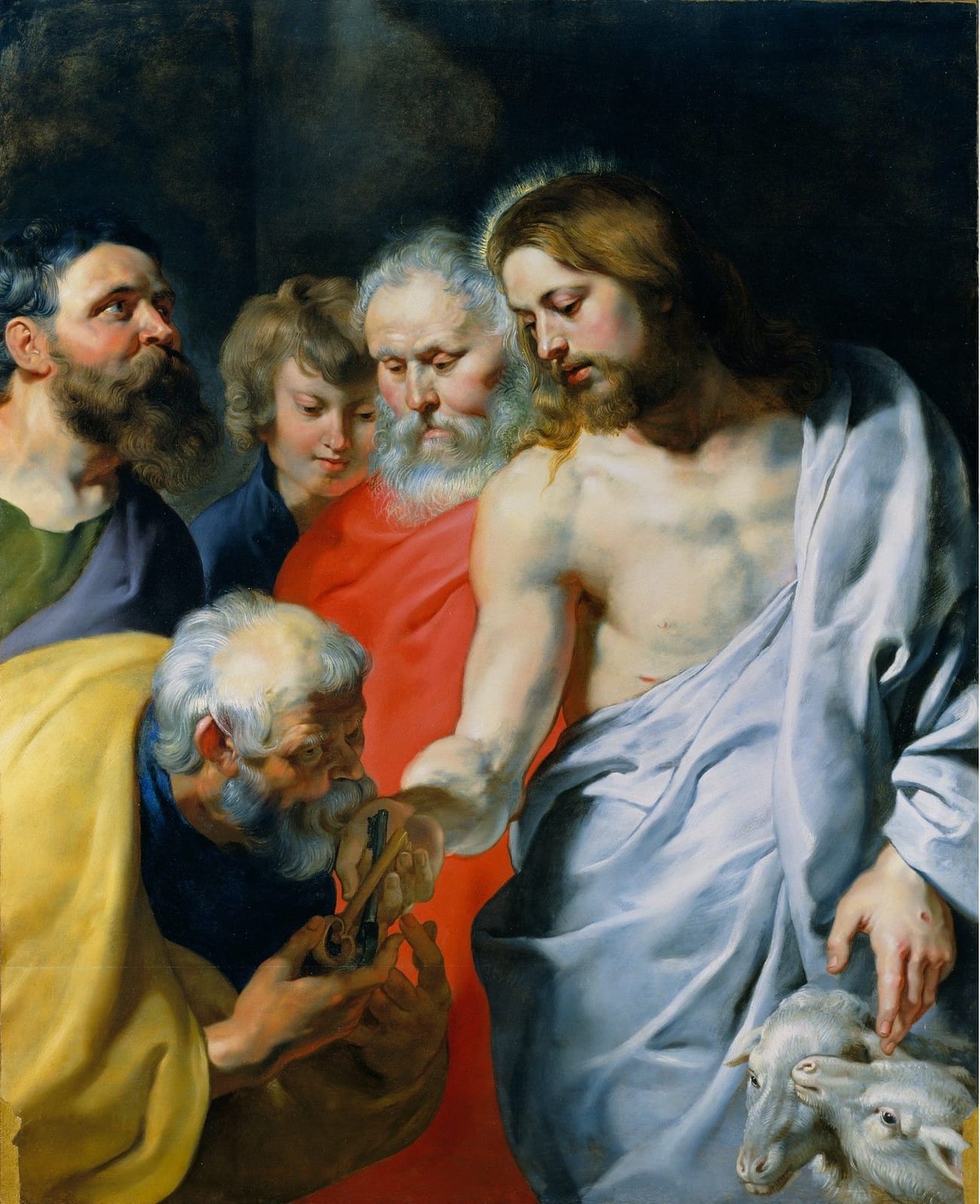
JOHN the Baptist, placed on the confines of the two Testaments, closes the prophetic age, the reign of hope, and opens the era of faith which possesses the long-expected God, though as yet without beholding him in his Divinity. Thus even before the octave is ended wherein we pay our homage to the son of Zachary, the confession of the apostles is added to the Precursor's testimony to the Word the Light. Tomorrow all heaven will re-echo with the solemn protestation first heard at Caesarea Philippi: 'Thou art Christ, the Son of the living God;' and Simon Bar-Jona, because of this oracle uttered by him, will be the chosen Rock, supporting the divine structure, the Church. To-morrow he will die, sealing this glorious declaration with his blood; but he will yet live on, in the person of each Roman Pontiff, that he may thus guard this precious testimony in all its integrity, even to the day when faith will give place to the eternal vision. Coupled with Peter in his labours, the Doctor of the Gentiles shares his triumph this day; and Rome, more indebted to these two princes than to all her stout warriors of old, who laid the world prostrate at her feet, beholds their double victory fix for ever upon her noble brow the diadem of spiritual royalty.
Chapter 3: The Practice for the Time after Pentecost

From Dom Guéranger’s The Liturgical Year.

The object which the Church has in view by her liturgical year is the leading of the Christian soul to union with Christ, and this by the Holy Ghost. This object is the one which God Himself has in giving us His own Son to be our mediator, our teacher, and our Redeemer, and in sending us the Holy Ghost to abide among us. To this end is directed all that aggregate of rites and prayers which we have hitherto explained: they are not a mere commemoration of the mysteries achieved for our salvation by the divine goodness, but they bring with them the graces corresponding to each of those mysteries; that thus we may come, as the apostle expresses it, ‘to the age of the fullness of Christ.’

As we have elsewhere explained, our sharing in the mysteries of Christ, which are celebrated in the liturgical year, produces in the Christian what is called in mystic theology the illuminative life, in which the soul gains continually more and more of the light of the Incarnate Word, who, by His examples and teachings, renovates each one of her faculties, and imparts to her the habit of seeing all things from God’s point of view.

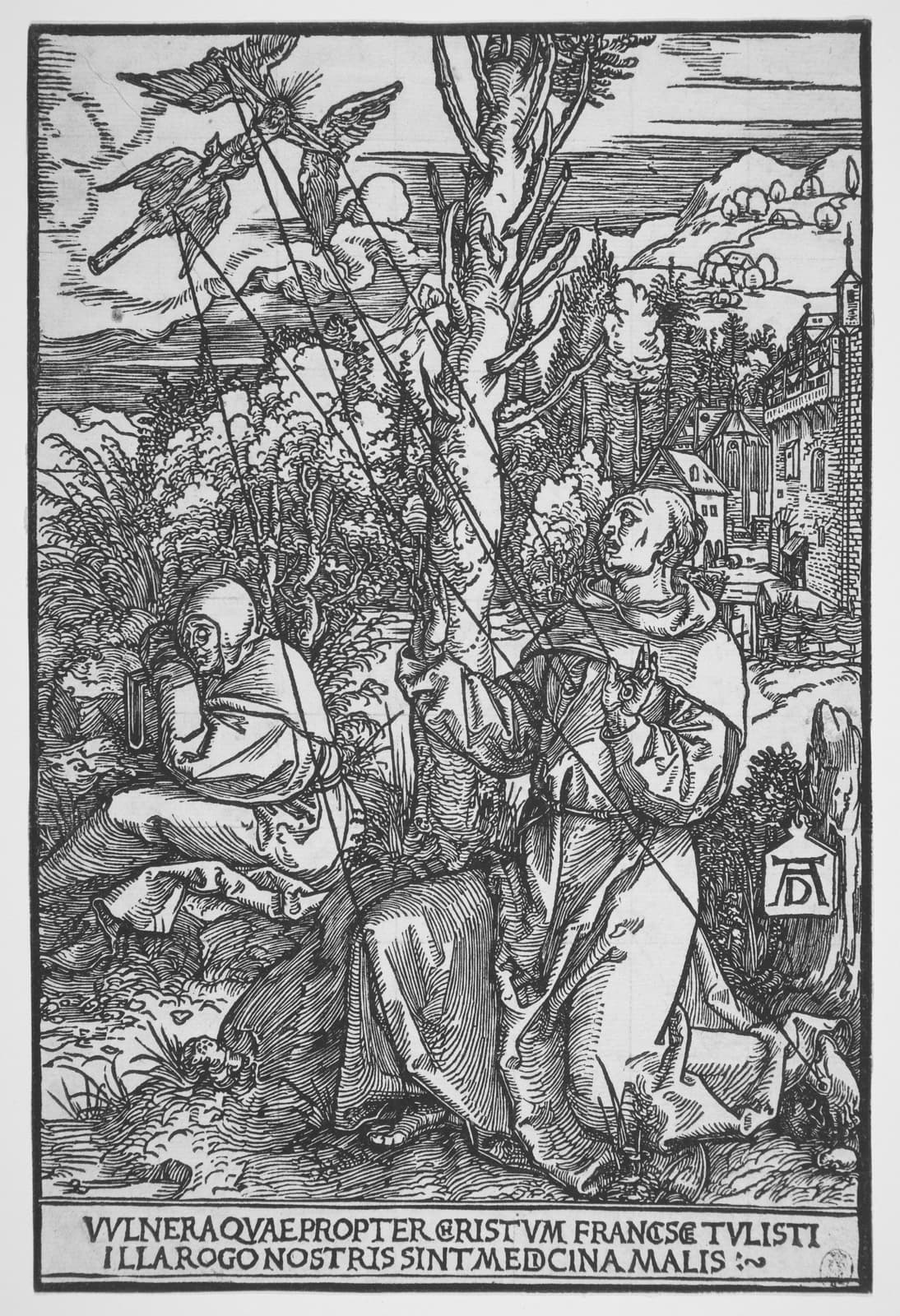
Saint Francis receiving the stigmata
Albrecht Dürer (1471–1528), Saint Francis Receiving the Stigmata, ca. 1503. Credits

Email view of this day