This day

July 13, 2020

After Pentecost

July 13, 2020

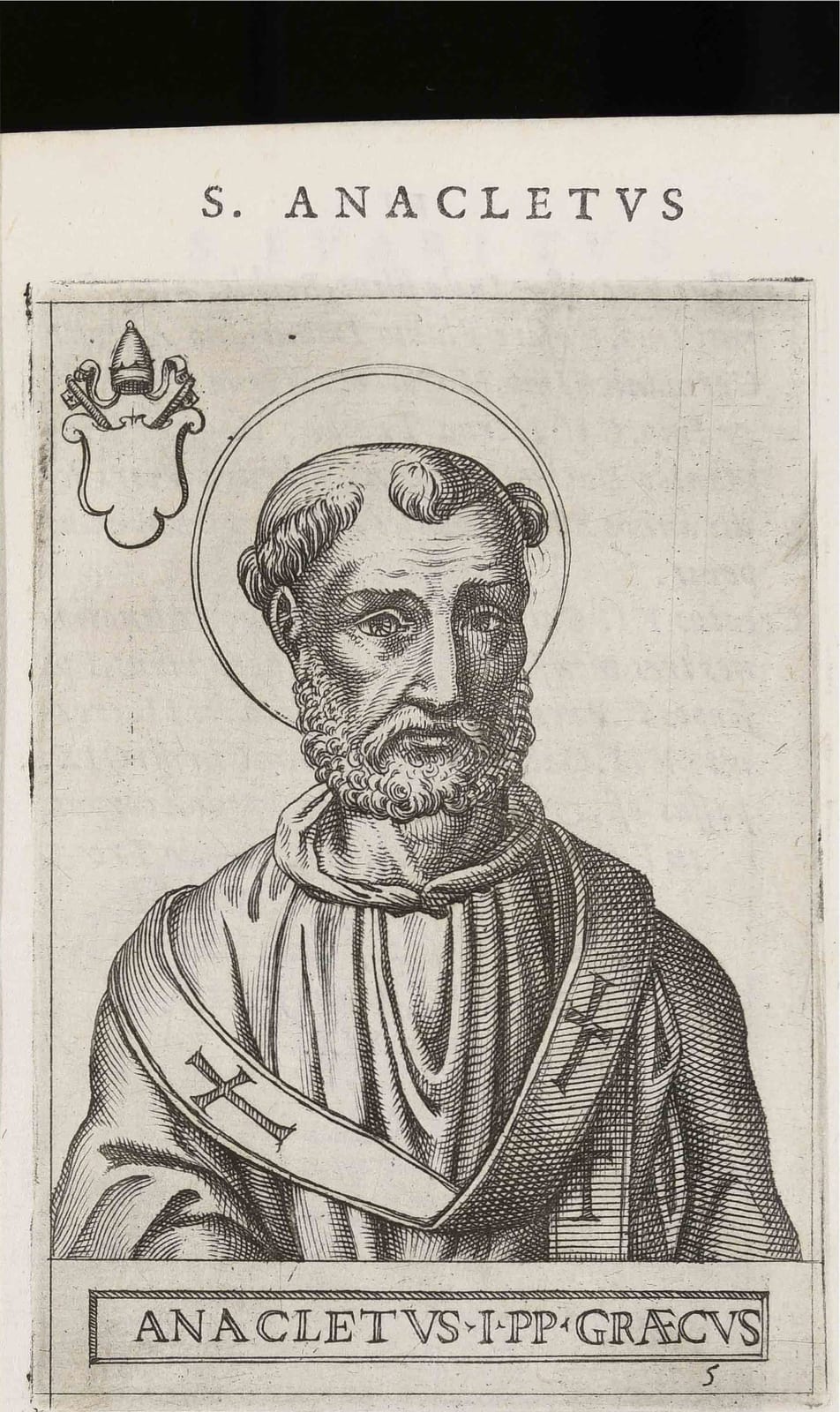
July 13: St. Anacletus, Pope and Martyr

From Dom Guéranger’s The Liturgical Year.

THE name of Anacletus sounds like a lingering echo of the solemnity of June 29. Linus, Clement, and Cletus, the immediate successors of St. Peter, received from his hands the pontifical consecration; Anacletus had a less but still inestimable glory of being ordained priest by the Vicar of the Man-God. Whereas the feasts of most of the martyr Pontiffs who came after him are only of simple rite, that of Anacletus is a semidouble, because of his privilege of being the last Pope honoured by the imposition of hands of the Prince of the Apostles. It was also during his pontificate that the Eternal City had the glory of receiving within its walls the beloved disciple, who had come to fulfil his promise and drink of his Master's chalice. ‘O happy Church,’ exclaims Tertullian, 'into whose bosom the Apostles poured not only all their teaching, but their very blood; where Peter imitated his Lord’s Passion by dying on the cross; where Paul, like John the Baptist, received his crown by means of the sword; whence the Apostle John, after coming forth safe and sound from the boiling oil, was sent to the isle of his banishment.’

This week's Sunday: The Sixth Sunday after Pentecost

From Dom Guéranger’s The Liturgical Year.

The Office for the sixth Sunday after Pentecost, which began yesterday evening, reminded us, in its Magnificat antiphon, of a repentance which has never had an equal. David, the royal prophet, the conqueror of Goliath, himself conquered by sensuality, and from adulterer become a murderer, at last felt the crushing weight of his double crime, and exclaimed: 'I do beseech thee, O Lord, take away the iniquity of thy servant, for I have done foolishly!'

Sin is always a folly and a weakness, no matter of what kind it may be, or who he be that commits it. The rebel angel, and fallen man, may, in their pride, make efforts to persuade themselves that, when they sinned, they did not act as fools, and were not weak; but all their efforts are vain; sin must ever have this disgrace upon it, that it is folly and weakness, for it is a revolt against God, a contempt for His law, a mad act or the creature, who, being made by his.

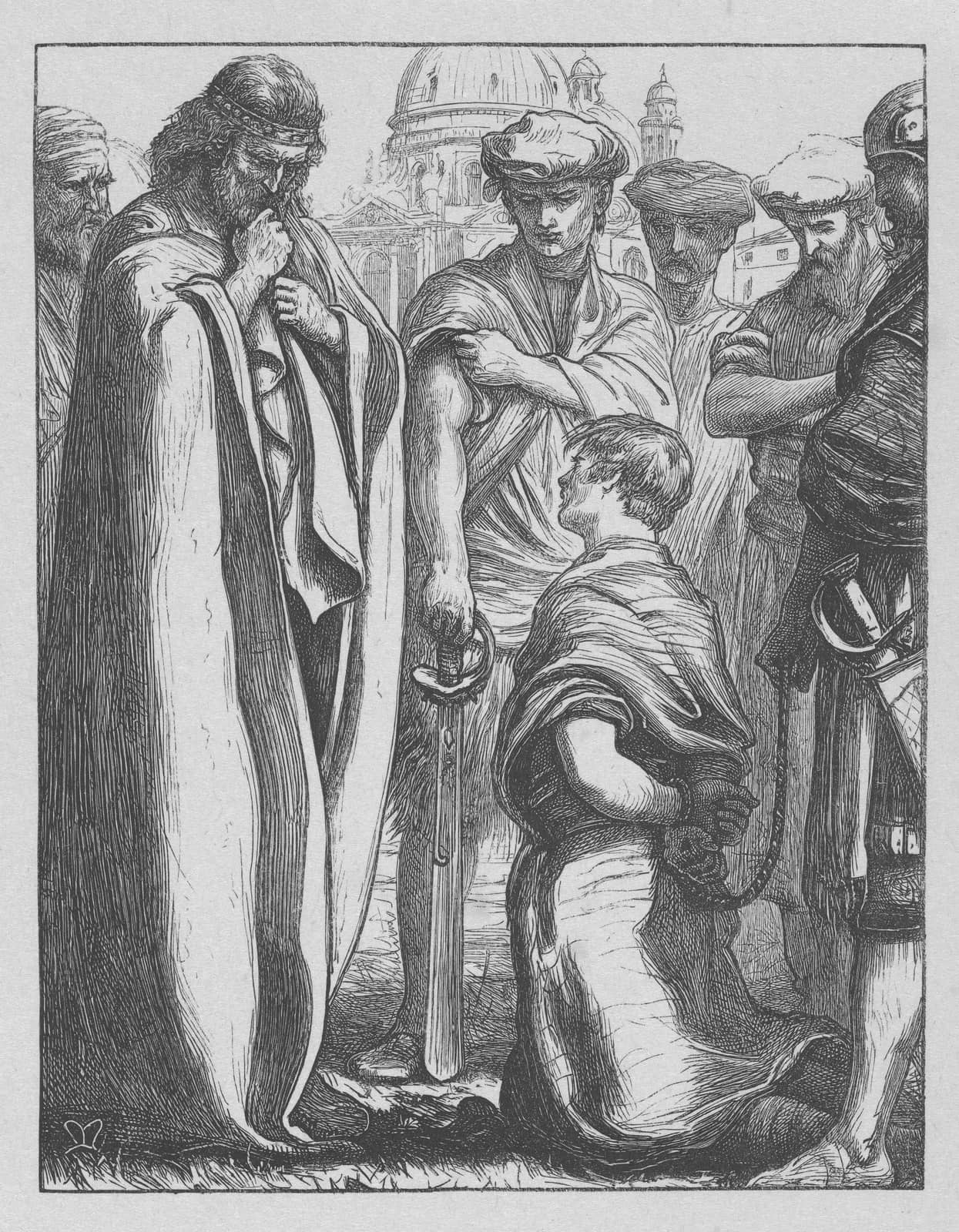
The parable of the unmerciful servant
Sir John Everett Millais (1829–1896), The Unmerciful Servant, from The Parables of Our Lord and Saviour Jesus Christ, 1864. Credits

Email view of this day