This day

July 14, 2020

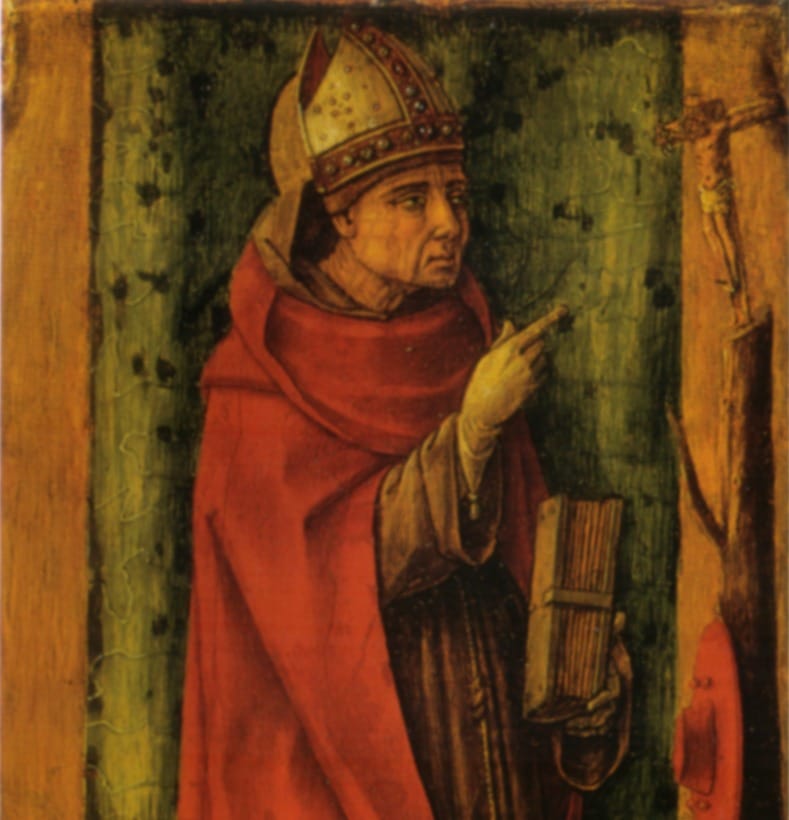
St Bonaventure with face visible
Saint Bonaventure (detail), Carlo Crivelli. Credits

After Pentecost

July 14, 2020

July 14: St. Bonaventure, Cardinal and Doctor of the Church

From Dom Guéranger’s The Liturgical Year.

FOUR months after the Angel of the Schools, the Seraphic Doctor appears in the heavens. Bound by the ties of love when on earth, the two are now united for ever before the throne of God. Bonaventure’s own words will show us how great a right they both had to the heavenly titles bestowed upon them by the admiring gratitude of men.

As there are three hierarchies of angels in heaven, so on earth there are three classes of the elect. The Seraphim, Cherubim, and Thrones, who form the first hierarchy, represent those who approach nearest to God by contemplation, and who differ among themselves according to the intensity of their love, the plenitude of their science, and the steadfastness of their justice; to the Dominations, Virtues, and Powers, correspond the prelates and princes; and lastly, the lowest choirs signify the various ranks of the faithful engaged in the active life. This is the triple division of men, which, according to St. Luke, will be made at the last day: Two shall be in the bed, two in the field, two at the mill; that is to say, in the repose of divine delights, in the field of government, at the mill of this life's toil.

This week's Sunday: The Sixth Sunday after Pentecost

From Dom Guéranger’s The Liturgical Year.

The Office for the sixth Sunday after Pentecost, which began yesterday evening, reminded us, in its Magnificat antiphon, of a repentance which has never had an equal. David, the royal prophet, the conqueror of Goliath, himself conquered by sensuality, and from adulterer become a murderer, at last felt the crushing weight of his double crime, and exclaimed: 'I do beseech thee, O Lord, take away the iniquity of thy servant, for I have done foolishly!'

Sin is always a folly and a weakness, no matter of what kind it may be, or who he be that commits it. The rebel angel, and fallen man, may, in their pride, make efforts to persuade themselves that, when they sinned, they did not act as fools, and were not weak; but all their efforts are vain; sin must ever have this disgrace upon it, that it is folly and weakness, for it is a revolt against God, a contempt for His law, a mad act or the creature, who, being made by his. Creator to attain infinite happiness and glory, prefers to debase himself by turning towards nothingness, and then falls even lower than the nothingness from which he was taken.

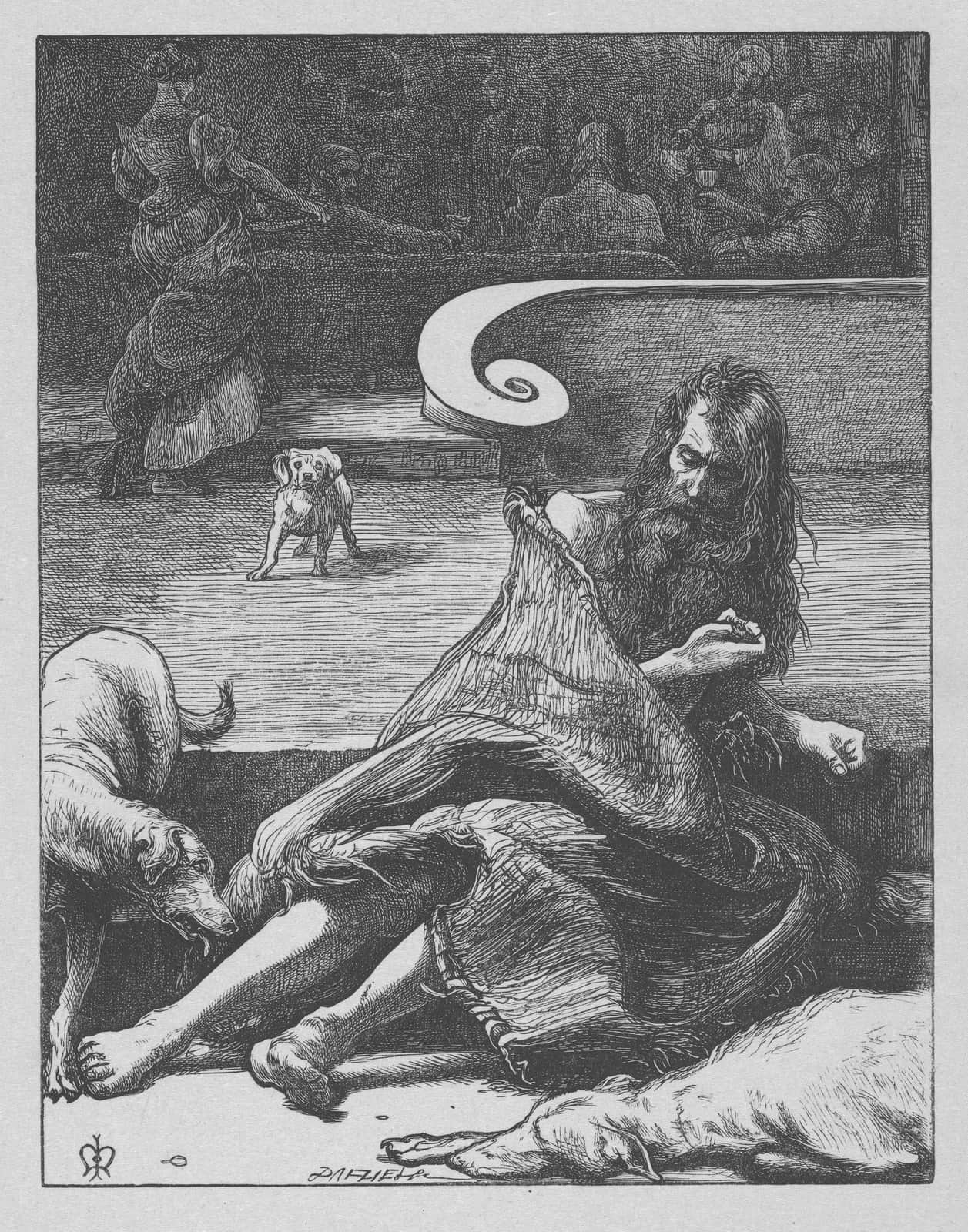
The rich man and Lazarus
Sir John Everett Millais (1829–1896), The Rich Man and Lazarus, from The Parables of Our Lord and Saviour Jesus Christ, 1864. Credits

Email view of this day