This day

October 13, 2020

After Pentecost

October 13, 2020

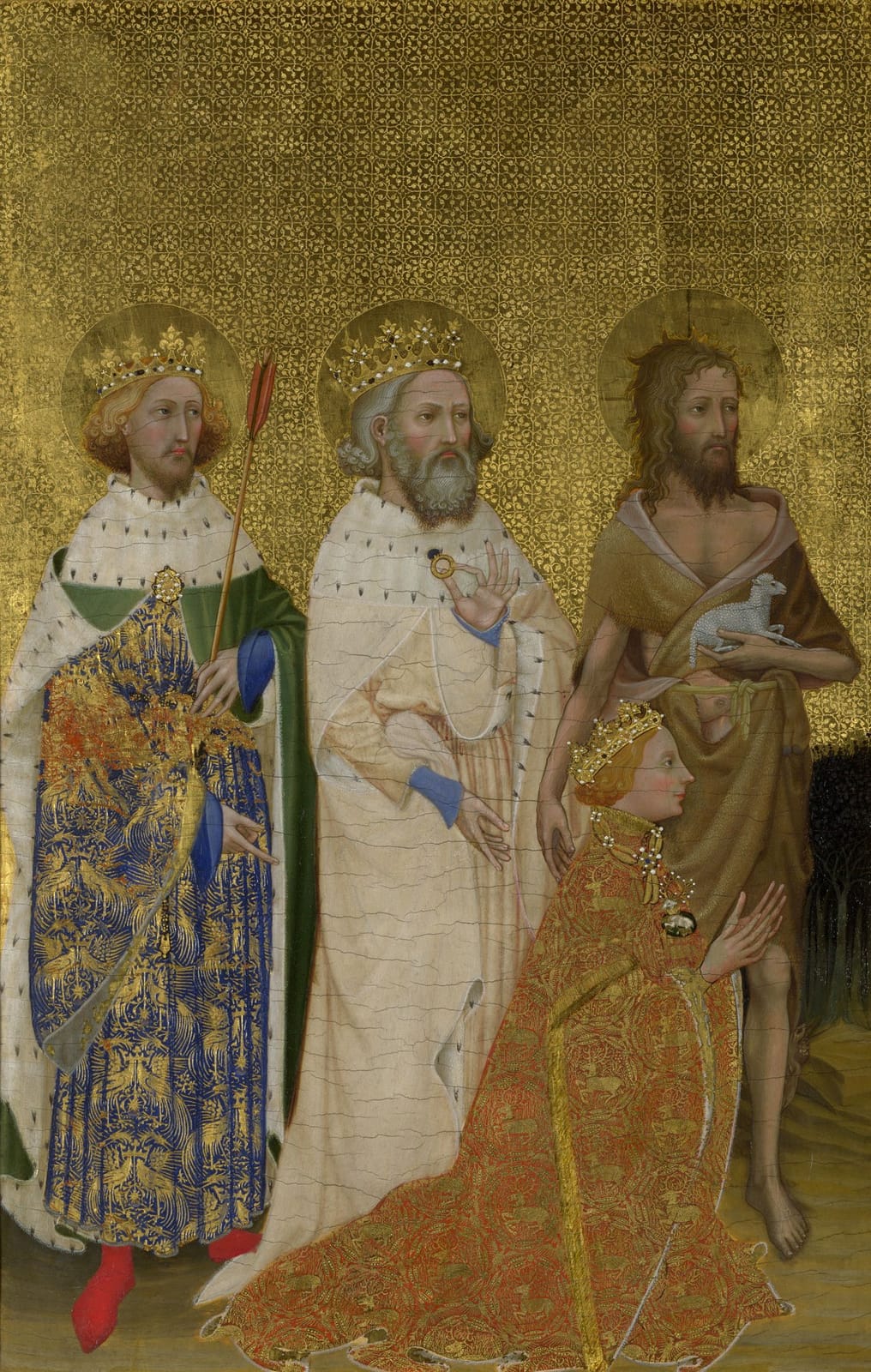
October 13: St. Edward the Confessor, King of England

From Dom Guéranger’s The Liturgical Year.

This glorious saint was like a beautiful lily, crowning the ancient branch of the kings of Wessex. The times had progressed since that sixth century, when the pagan Cerdic and other pirate chiefs from the North Sea scattered with ruins the island of saints. Having accomplished their mission of wrath, the Anglo-Saxons became instruments of grace to the land they had conquered. Evangelized by Rome, even as the Britons they had just chastised, they remembered, better than the latter, whence their salvation had come; a spring-tide blossoming of sanctity showed the pleasure God took once more in Albion, for the constant fidelity of the princes and people of the heptarchy towards the See of Peter. In the year of our Lord 800, Egbert, a descendant of Cerdic, had gone on pilgrimage to Rome, when a deputation from the West Saxons offered him the crown, beside the tomb of the Prince of the apostles, at whose feet Charlemagne, at that very time, was restoring the empire. As Egbert united under one sceptre the power of the seven kingdoms, so Saint Edward, his last descendant, represents to-day in his own person the glorious holiness of them all.

This week's Sunday: The Nineteenth Sunday after Pentecost

From Dom Guéranger’s The Liturgical Year.

The divine Leader of God’s people is their salvation in all their distress. Did we not last Sunday see Him prove Himself such, and in a very telling way, by curing both body and soul of the poor paralytic, who was a figure of the whole human race? Let us hear His voice, in the Introit, with love and gratitude; let us promise Him the fidelity He asks of us; His Law, if we will but observe it, will preserve us from a relapse.

The anthem which follows is made up of several passages of holy Writ, without being exactly that of any one of them. The verse is taken from Psalm lxxvii.

Salus populi ego sum, dicit Dominus: de quacumque tribulatione clamaverint ad me, exaudiam eos: et ero illorum Dominus in perpetuum.

Ps. Attendite, popule meus, legem meam: inclinate aurem vestram in verba oris mei. Gloria Patri. Salus.

I am the salvation of the people, saith the Lord: in what distress soever they call upon me, I will hear them: and will be their Lord for ever.

Ps. Attend, O my people, unto my law: incline your ear to the words of my mouth.

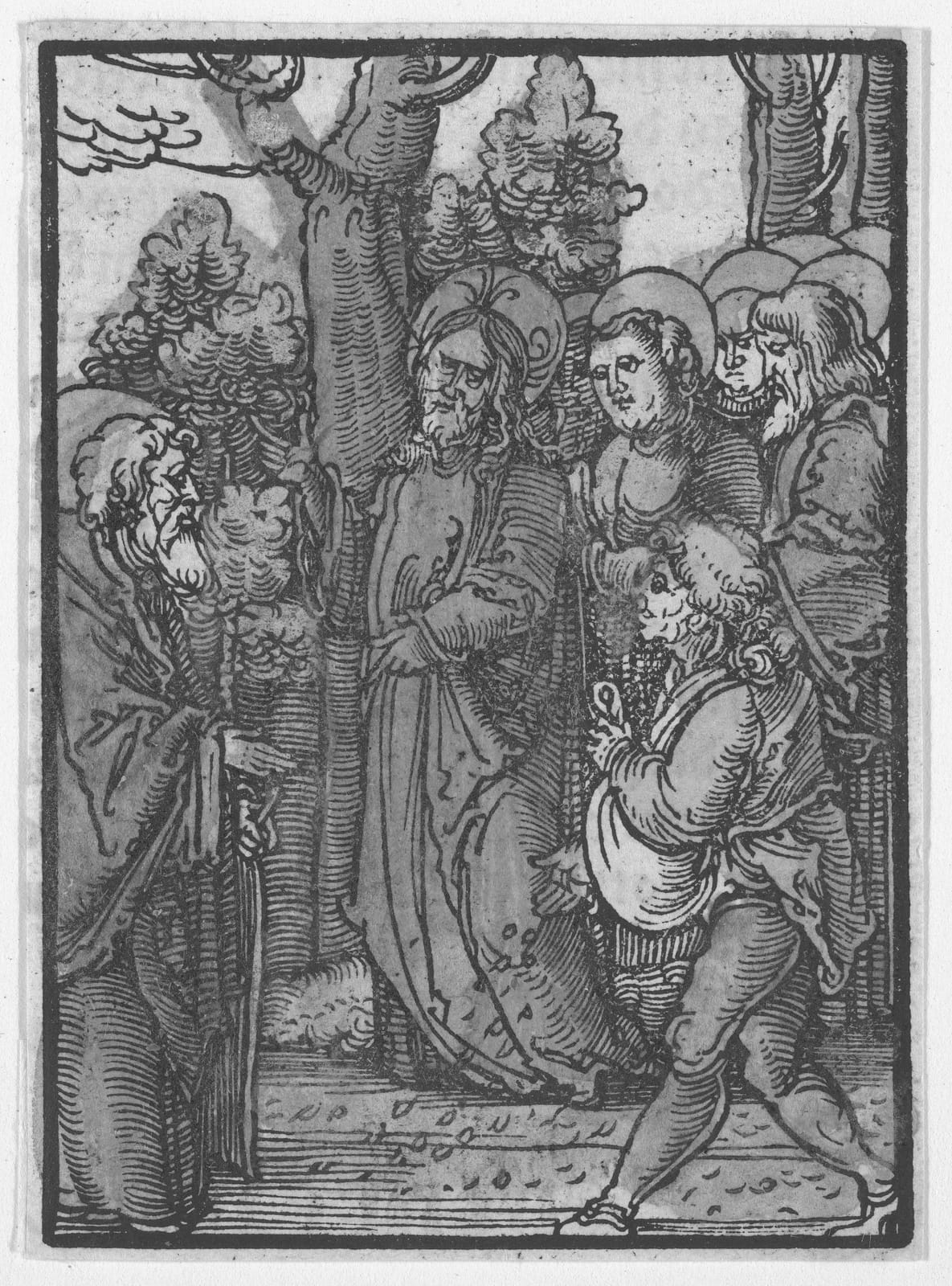
The parable of the wheat and the weeds
Hans Schäufelein (1480–1540), The Parable of the Sower and the Weeds, from Das Plenarium, 1517. Credits

Email view of this day