This day

October 14, 2020

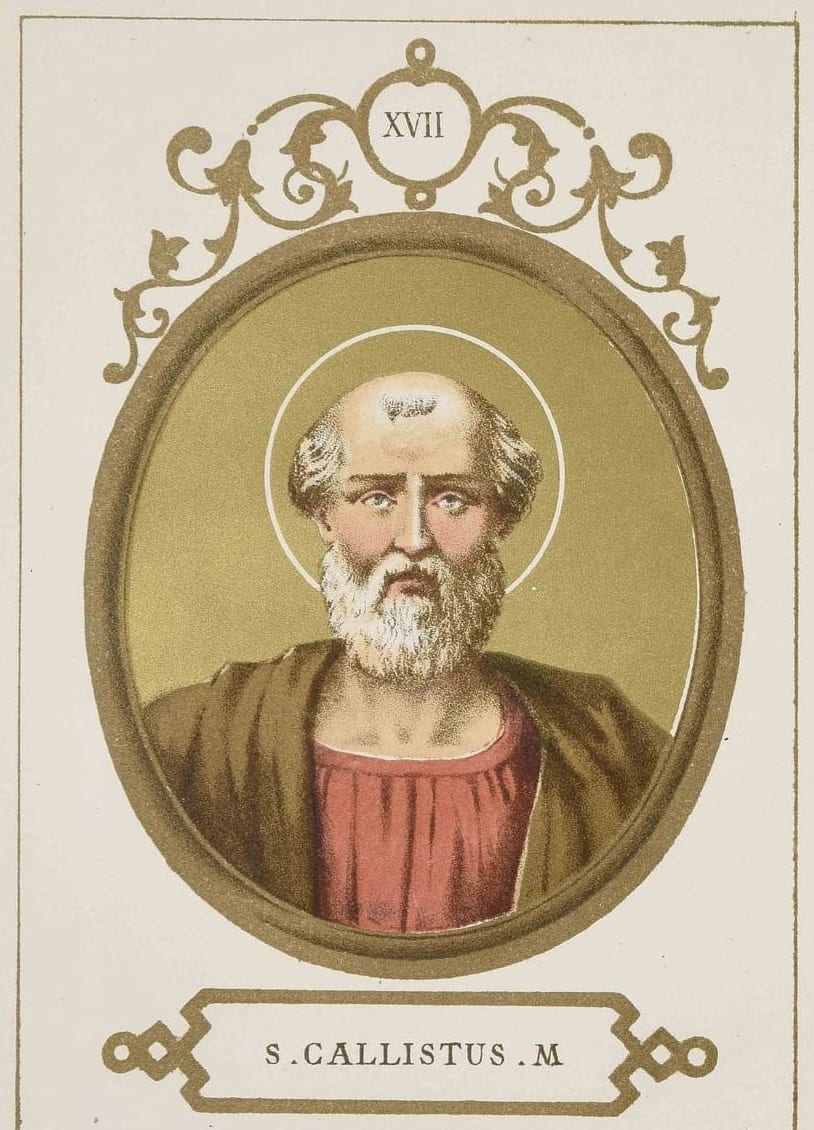
S. Callistus M.
S. Callistus M., Oleografia Panigati e Meneghini Milano, 1879. Credits

After Pentecost

October 14, 2020

October 14: St. Callixtus I, Pope and Martyr

From Dom Guéranger’s The Liturgical Year.

He was a sign of contradiction in Israel. In his own time, Christians were ranged either around him or against him. The trouble excited by his mere name sixteen hundred years ago, was renewed in the middle of the nineteenth century by the discovery of a famous book, which gave an occasion to the sectaries of our own days to stand with those of old against Callixtus and the Church. The book, entitled Philosophumena or refutation of heresies, was composed in the third century; it represented Callixtus, whose life and character were painted in the darkest colours, as one of the worst corruptors of doctrine.

In that third century, however, the author of the Philosophumena, attacking the Pontiff he wished to supplant, and setting up in Rome, as he himself acknowledges, Chair against Chair, did but publish to the Church his own shame, by ranging himself among those very dissenters of whom his book professed to be the refutation and the history. The name of this first antipope has not come down to us. But behold his punishment! The work of his envious pen, despised by his contemporaries, was to reappear at the right moment to awaken the slumbering attention of a far-off posterity.

This week's Sunday: The Nineteenth Sunday after Pentecost

From Dom Guéranger’s The Liturgical Year.

The divine Leader of God’s people is their salvation in all their distress. Did we not last Sunday see Him prove Himself such, and in a very telling way, by curing both body and soul of the poor paralytic, who was a figure of the whole human race? Let us hear His voice, in the Introit, with love and gratitude; let us promise Him the fidelity He asks of us; His Law, if we will but observe it, will preserve us from a relapse.

The anthem which follows is made up of several passages of holy Writ, without being exactly that of any one of them. The verse is taken from Psalm lxxvii.

Salus populi ego sum, dicit Dominus: de quacumque tribulatione clamaverint ad me, exaudiam eos: et ero illorum Dominus in perpetuum.

Ps. Attendite, popule meus, legem meam: inclinate aurem vestram in verba oris mei. Gloria Patri. Salus.

I am the salvation of the people, saith the Lord: in what distress soever they call upon me, I will hear them: and will be their Lord for ever.

Ps. Attend, O my people, unto my law: incline your ear to the words of my mouth.

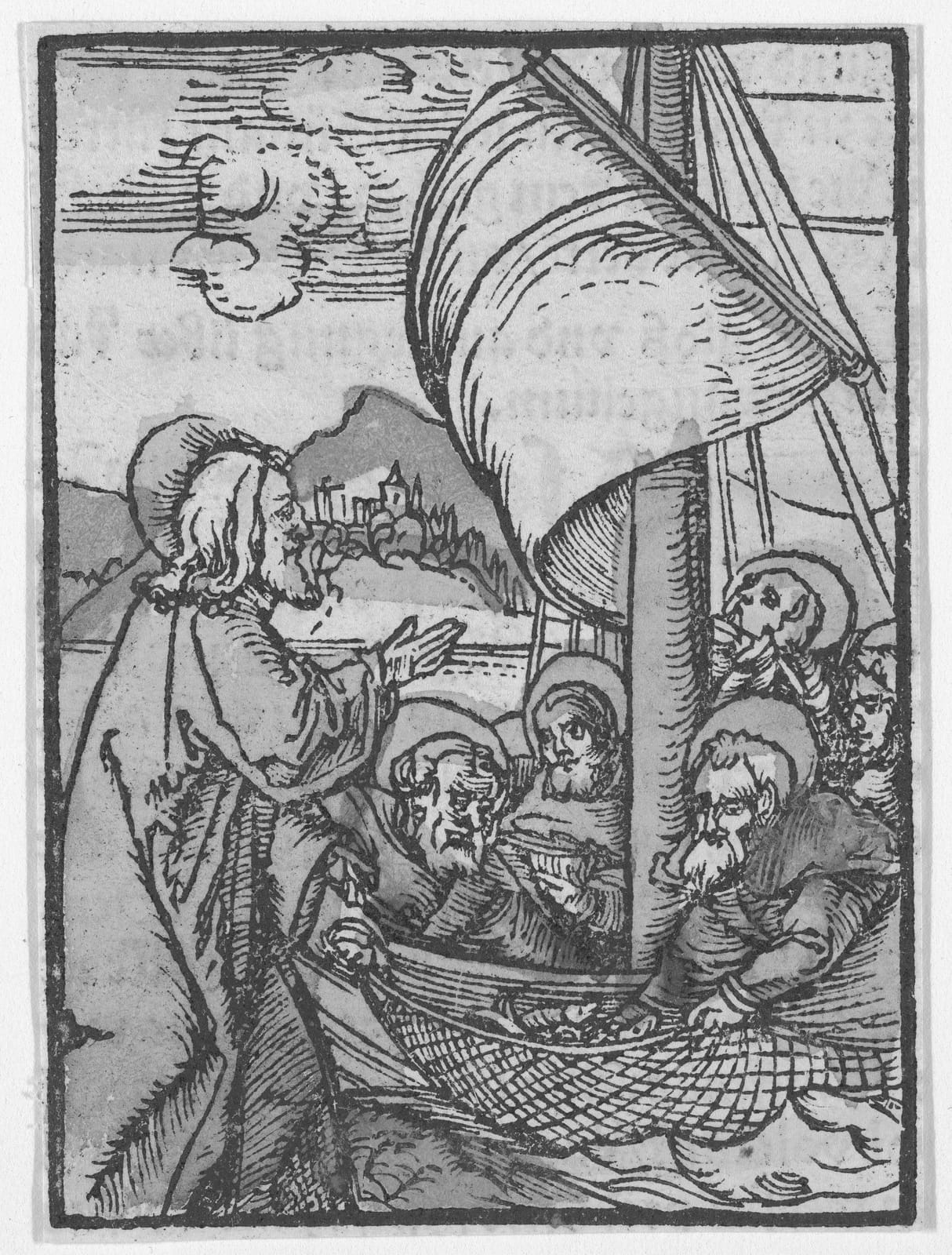
Peter hauling in a second draught of fishes
Hans Schäufelein (1480–1540), The Second Draught of Fishes by Saint Peter, from Das Plenarium, 1517. Credits

Email view of this day