This day

April 13, 2021

Paschal Time

April 13, 2021

A Semidouble leads the weekday.Rubric

April 13: St. Hermenegild, Martyr

From Dom Guéranger’s The Liturgical Year.

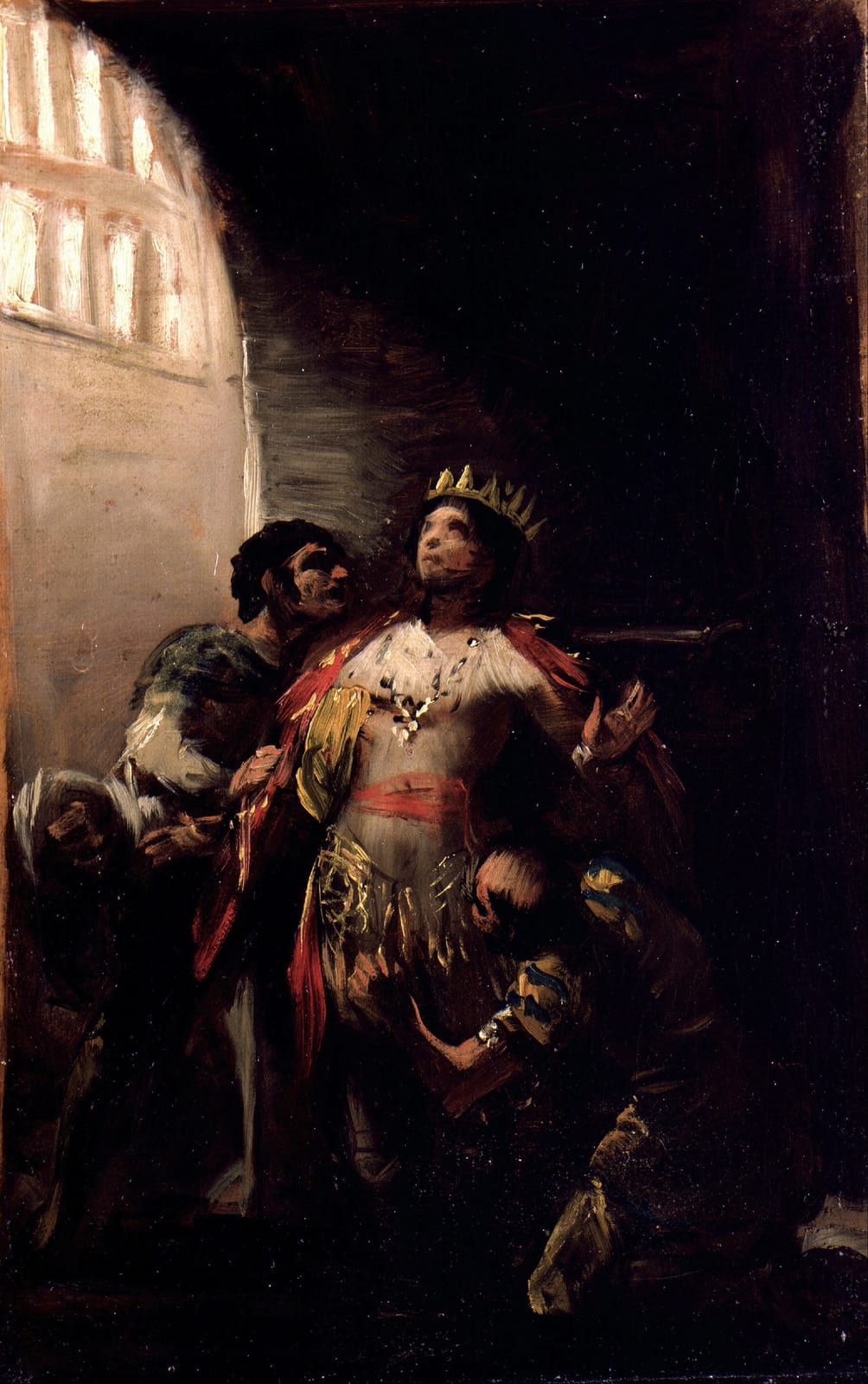
IT is through a martyr's palm-branch that we must to-day see the Paschal Mystery. Hermenegild, a young Visigoth prince, is put to death by his heretical father, because he courageously refused to receive his Easter Communion from an Arian bishop. The martyr knew that the Eucharist is the sacred symbol of Catholic unity; and that we are not allowed to approach the Holy Table in company with those who are not in the true Church. A sacrilegious consecration gives heretics the real possession of the divine Mystery, if the priestly character be in him who dares to offer sacrifice to the God whom he blasphemes; but the Catholic, who knows that he may not so much as pray with heretics, shudders at the sight of the profanation, and would rather die than share by his presence in insulting our Redeemer in that very Sacrifice and Sacrament which were instituted that we might all be made one in God.

The blood of the martyr produced its fruit: Spain threw off the chains of heresy that had enslaved her, and a Council, held at Toledo, completed the work of conversion begun by Hermenegild's sacrifice.

Tuesday of the Second Week after Easter

From Dom Guéranger’s The Liturgical Year.

℣. In thy resurrection, O Christ, alleluia.
℟. Let heaven and earth rejoice, alleluia.

WHAT are these wounds in the midst of thy hand? Such was the exclamation of the Prophet Zacharias, who lived five hundred years before the Birth of our Emmanuel: and we are almost forced to use it, now that we behold the Wounds that shine so brightly in the glorified Body of our Risen Lord. His hands and feet bear the mark of the nails, and his side that of the spear; the Wounds are as visible and as deep as when he was first taken down from the Cross. Put in thy finger hither, said Jesus, holding out his wounded hands to Thomas; put thy hand into my Side!

We assisted at this wonderful interview on Sunday last—the incredulity of the disciple was made an occasion for the most incontestable proof of the Resurrection: but it also taught us that, when our Lord rose from the tomb, he retained in his glorified Flesh the stigmata of his Passion. Consequently, he will retain them for ever, inasmuch as no change can have further place in his Person.

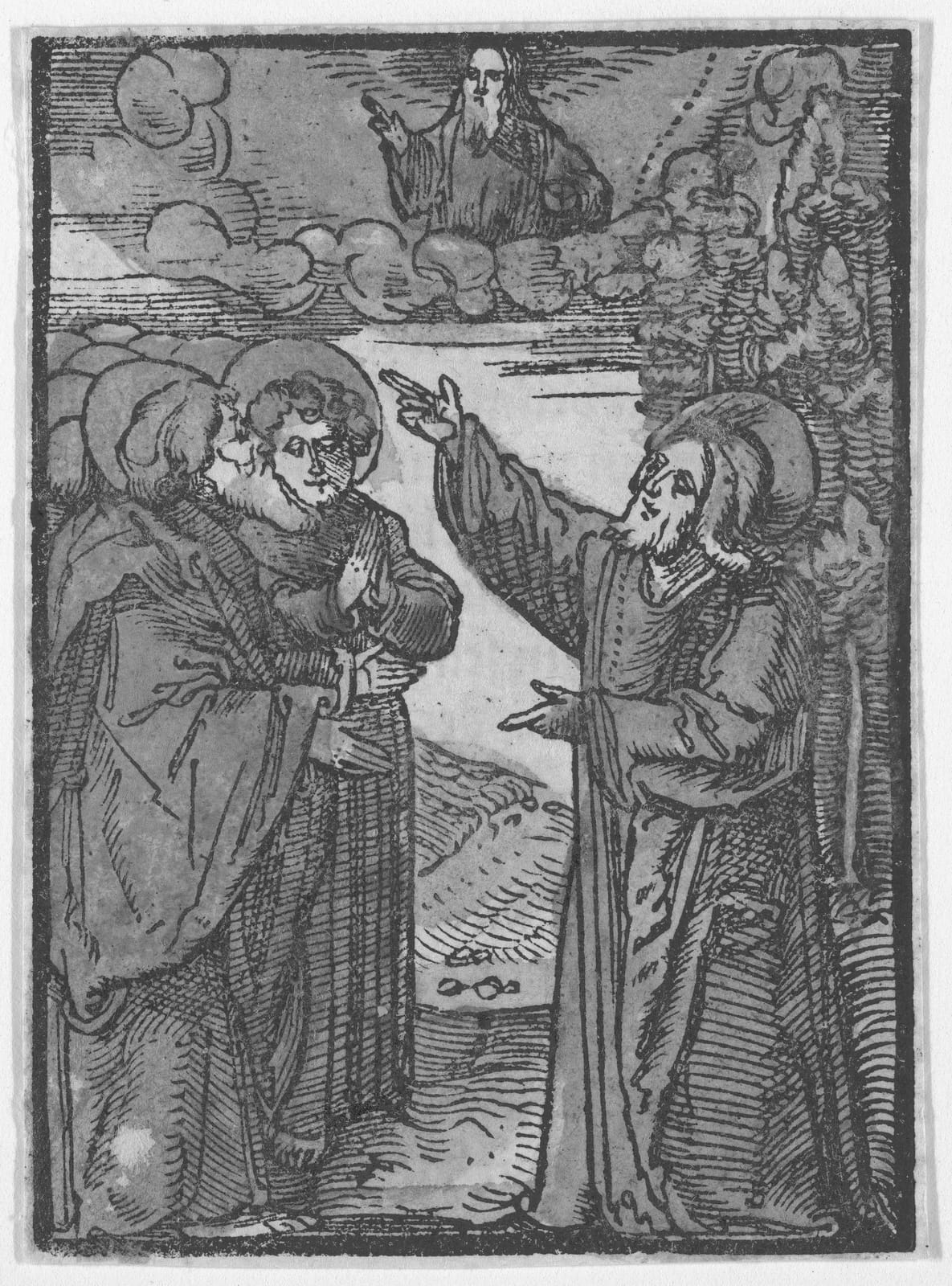
Christ appearing in the clouds as He speaks to the apostles of His return to the Father
Hans Schäufelein (1480–1540), Christ Talking about his Return to the Father, from Das Plenarium, 1517. Credits

Email view of this day