This day

July 8, 2022

After Pentecost

July 8, 2022

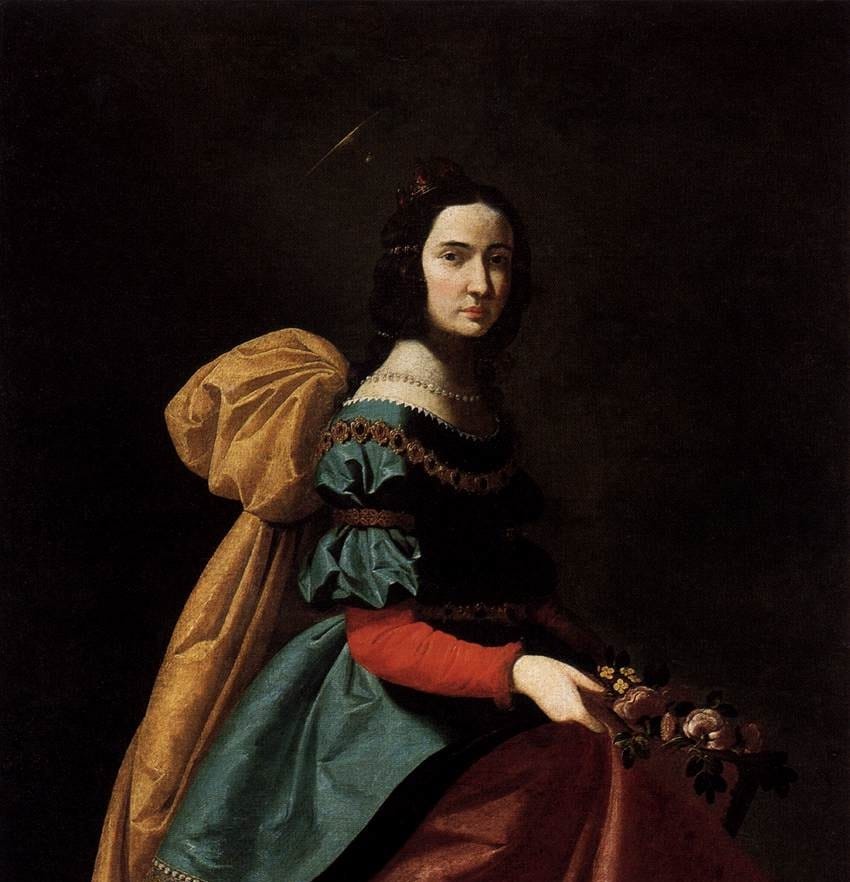
July 8: St. Elizabeth, Queen of Portugal

From Dom Guéranger’s The Liturgical Year.

IN the footsteps of Margaret of Scotland and of Clotilde of France, a third queen comes to shed her brightness on the sacred cycle. Born at the southern extremity of Christendom, where it borders on Muslim lands, she was destined by the Holy Ghost to seal with peace the victories of Christ, and prepare the way for fresh conquests. The blessed name of Elizabeth, which for half a century had been rejoicing the world with its sweet perfume, was given to her, foretelling that this new-born child, as though attracted by the roses which fell from the mantle of her Thuringian aunt, was to cause these same heavenly flowers to blossom in Iberia.

There is a mysterious heirship among the saints of God. The same year in which one niece of Elizabeth of Thuringia was bom in Spain, another, Blessed Margaret of Hungary, took her flight to heaven. She had been consecrated to God from her mother’s womb, as a pledge for the salvation of her people, in the midst of terrible disasters; and the hopes so early centred in her were not frustrated.

This week's Sunday: The Fourth Sunday after Pentecost

From Dom Guéranger’s The Liturgical Year.

The fourth Sunday after Pentecost was called, for a long period, in the west, the Sunday of mercy, because, formerly, there was read upon it the passage from St. Luke beginning with the words: ‘Be merciful, as your Father is merciful.’ But, this Gospel having been since assigned to the Mass of the first Sunday after Pentecost, the Gospel of the fifth Sunday was made that of the fourth; the Gospel of the sixth became that of the fifth; and so on, up to the twenty-third. The change we speak of was, however, not introduced into many Churches till a very late period; and it was not universally received till the sixteenth century.

Whilst the Gospels were thus brought forward a week, in almost the whole series of these Sundays, the Epistles, Prayers, and the other sung portions of the ancient Masses were, with a few exceptions, left as originally drawn up. The connexion which the liturgists of the eleventh, twelfth, and thirteenth centuries had fancied they found between the Gospel and the rest of the liturgy for these Sundays was broken.

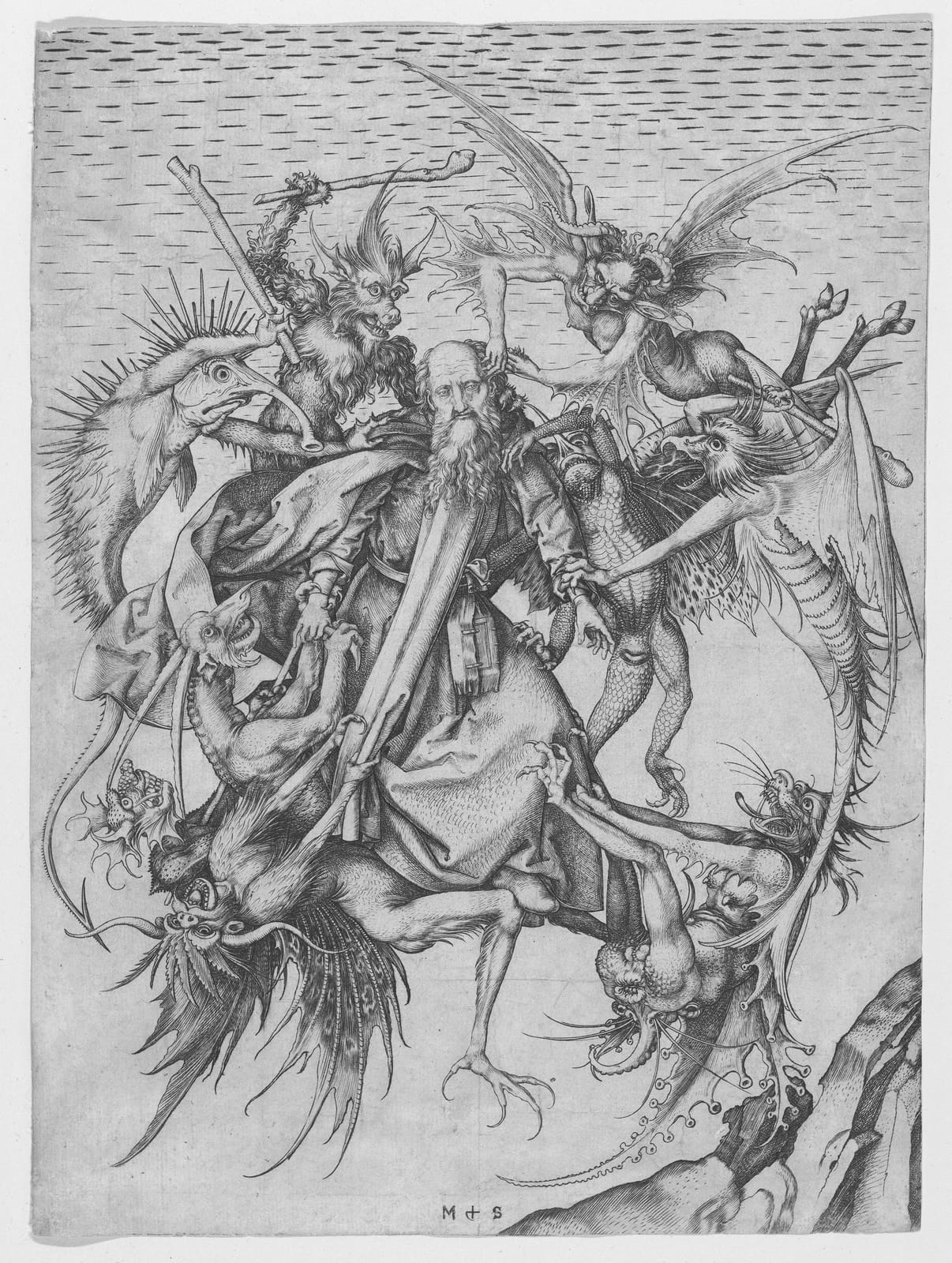
Saint Anthony tormented by demons
Martin Schongauer (ca. 1435/50–1491), Saint Anthony Tormented by Demons, ca. 1470–75. Credits

Email view of this day